FDNY violations accrue fines up to $10,000/day —We clear them in 24–72 hours.|(888) 470-3473
Schedule Your InspectionSchedule violation check →
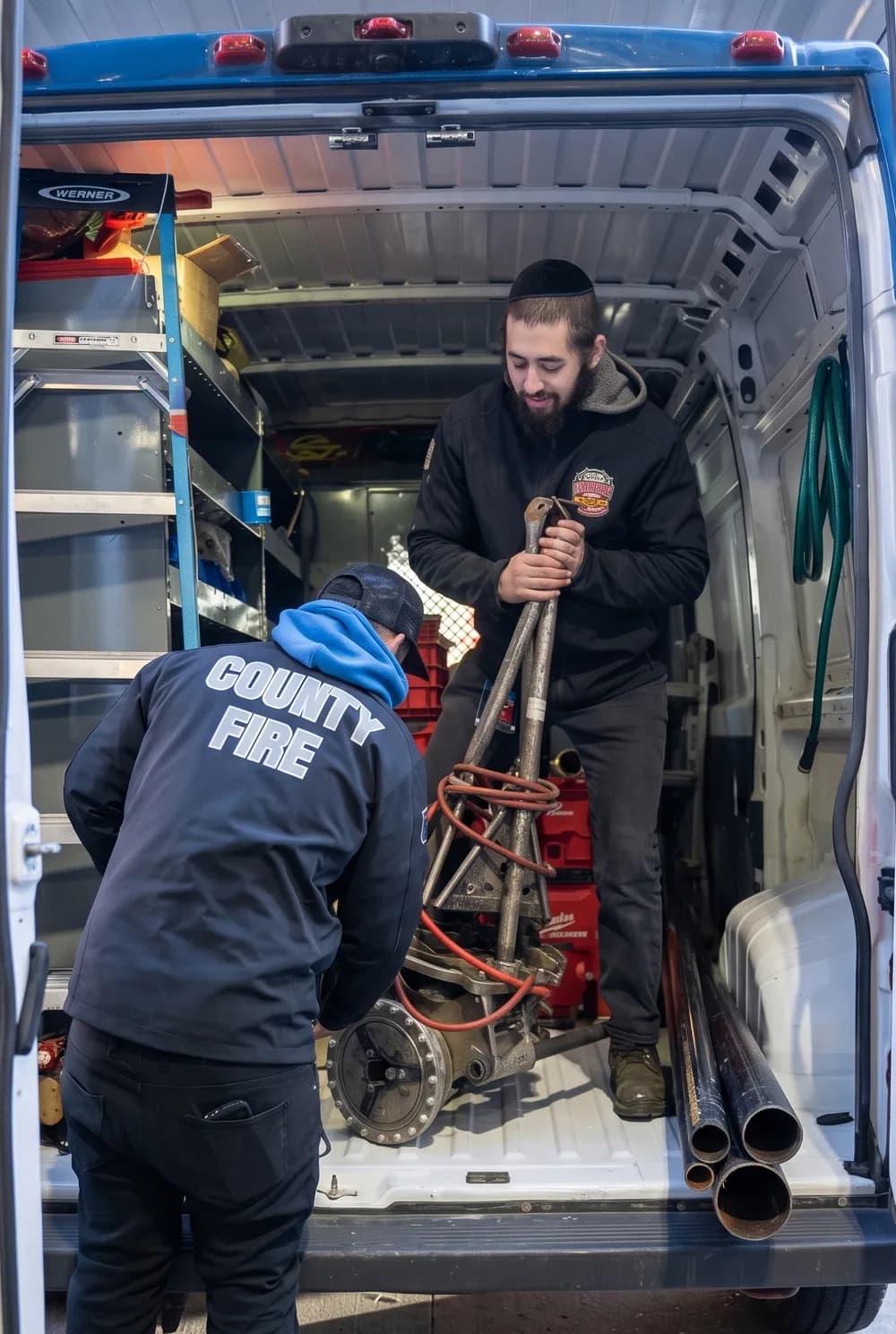
County Fire technicians loading pipe threading equipment from a service van
FDNY Licensed
All technicians
NFPA 13
Design standard
DOB Filing
Included
All 5 Boroughs
New construction & retrofits
Fire Sprinkler Design & Installation

Fire Sprinkler InstallationNYC.

Fully engineered fire sprinkler design and installation for new construction, gut renovations, and full system replacements across all five NYC boroughs. Hydraulic calculations, DOB filing, and FDNY acceptance testing per NFPA 13 — one licensed team, start to finish.

Request Design QuoteFree · No Obligation

Tell us about your project scope. We respond within 24 hours.

📞 Call (888) 470-3473
🔍 Need testing on an existing system instead? See inspection →
FDNY Approved Contractor
NICET-Certified Technicians
NFPA 72 & NFPA 25 Compliant
UL-Listed Central Station
NYC DOB Licensed
NAFED & NYFAA Member
System Design

Which System Configuration
Does Your Building Need?

The right sprinkler configuration depends on occupancy, building height, and water supply — not a default template. County Fire runs the hydraulic calculations to determine the right configuration before designing anything.

Default — Heated Buildings
Wet-Pipe Systems

Pipes stay filled with pressurized water at all times, giving the fastest possible response when a head activates. Simpler mechanically and generally lower cost than dry-pipe, wet-pipe is the default choice for any heated, occupied building.

Unheated Spaces
Dry-Pipe Systems

Required wherever freezing is a risk — parking garages, loading docks, and unheated storage. Pipes hold pressurized air until a head activates, which requires air compressor equipment and adds mechanical complexity most heated spaces don't need.

Taller Buildings
Fire Pump Requirements

When city water pressure alone can't meet the hydraulic demand of the system — common in taller NYC buildings — a fire pump boosts pressure to the required level. County Fire's hydraulic calculations determine whether your building needs one and size it correctly, rather than defaulting to oversized equipment.

Related System
Building Also Needs a Standpipe?

Combined sprinkler/standpipe systems are common in NYC high-rises, sharing risers and infrastructure between the two. County Fire designs around standpipe integration requirements from the start rather than treating it as an afterthought — ask about it when you request a quote.

Ask About Standpipe Integration →
What You Get

What's Included in Every
Fire Sprinkler Installation

Every County Fire installation starts with hydraulic calculations, not a pipe count. We design around the code requirements your occupancy and building height actually demand.
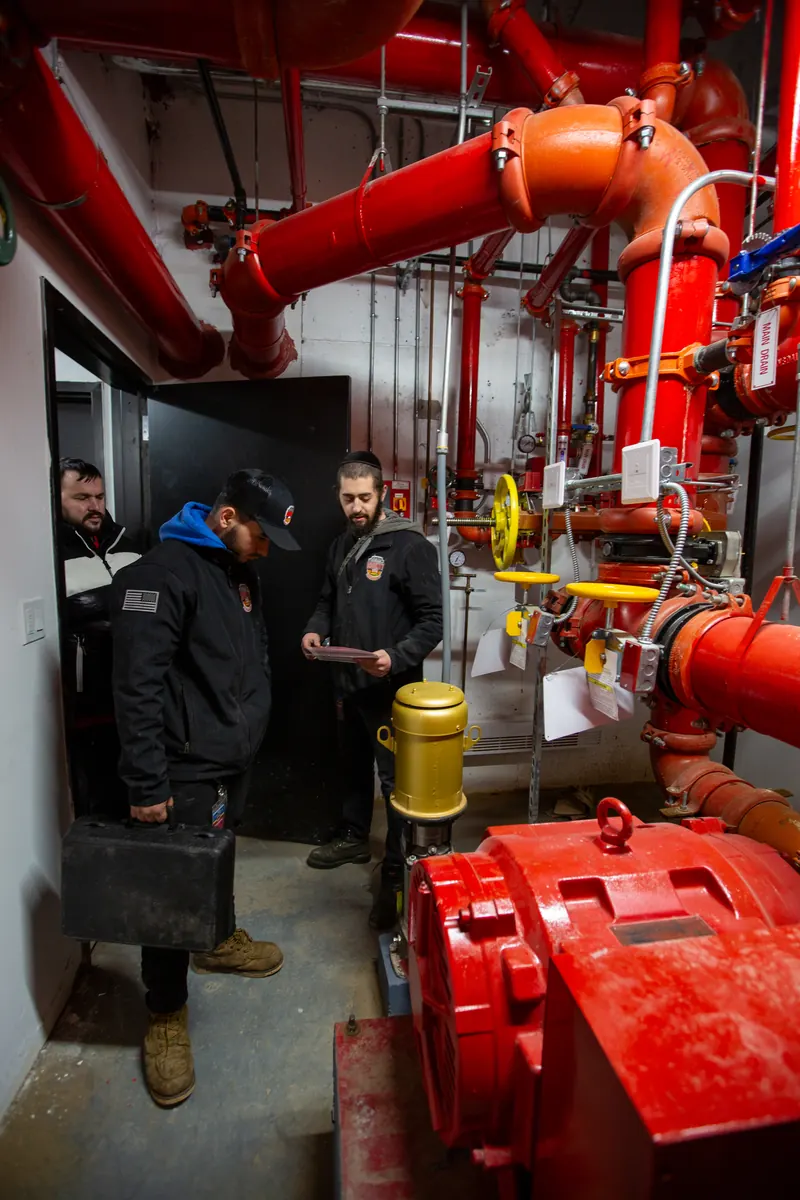
What's Included in Every Installation
  • Hydraulic CalculationsSystem demand calculated against your building's occupancy classification and available water supply — the foundation every other design decision builds on.
  • System DesignPipe sizing, sprinkler head placement, and zoning engineered to your specific floor plan, not a generic layout adapted after the fact.
  • DOB Plan FilingPlans prepared and filed with the Department of Buildings under a licensed professional, managed through approval including any amendments.
  • Full InstallationComplete installation by licensed technicians — piping, heads, valves, and (where required) fire pump — to the filed and approved design.
  • FDNY Acceptance TestingFlow test and main drain test witnessed by FDNY, verifying the system performs to design before signoff.
  • As-Built DocumentationAs-built drawings, hydraulic calculations, and all filed permits delivered at project close — everything your next inspector or servicer will need.
📋Code Requirements We Design Around
  • §
    NFPA 13 Design StandardGoverns sprinkler system design and installation — distinct from NFPA 25, which covers inspection and testing of systems already in service.
  • §
    NYC Fire Code & Building CodeOccupancy-specific coverage requirements layered on top of NFPA 13, governing where sprinklers are required and how they're configured.
  • §
    Water Supply & Fire Pump SizingHydraulic demand calculated against available water pressure, determining whether a fire pump is required and how it must be sized.
  • §
    Standpipe IntegrationCombined sprinkler/standpipe buildings require coordinated design between both systems, not two separate systems designed in isolation.
Our Process

From Site Assessment
to FDNY Signoff.

Six steps, one licensed team — no sub-contracted design firm or separate testing company to coordinate between.

01
Site Assessment
We walk the site (or review architectural plans for new construction) to understand occupancy, building height, and water supply before designing anything.
02
Hydraulic Calculation & System Design
Full engineered layout — pipe sizing, sprinkler head placement, zoning, and fire pump sizing if required — matched to your building's hydraulic demand.
03
DOB Filing
Plans prepared and filed with the Department of Buildings under a licensed professional, managed through approval.
04
Installation
Full installation by licensed technicians, coordinated around your construction schedule or occupied-building constraints.
05
FDNY Acceptance Testing
We schedule and attend the FDNY-witnessed flow test and main drain test, verifying the system performs to design before signoff.
06
Handover Documentation
As-built drawings, hydraulic calculations, and all filed permits delivered at close — everything your next servicer will need.
Pricing

What Drives Fire Sprinkler
Installation Cost

Installation pricing varies more than any other fire sprinkler service — a small tenant fit-out and a 40-story new construction project with a fire pump have almost nothing in common cost-wise. Here's what actually moves the number, so your quote makes sense before you get it.

Building Size & Occupancy

Square footage and occupancy classification determine hydraulic demand, head count, and pipe sizing — the biggest single driver of total cost.

System Type

Wet-pipe, dry-pipe, or a combined sprinkler/standpipe system each carry different equipment and labor costs — dry-pipe and fire pump equipment add cost over a standard wet-pipe system.

New Construction vs. Occupied Retrofit

Piping an open, unfinished space typically costs less than retrofitting an occupied building around tenants and existing infrastructure.

Fire Pump Requirement

Buildings tall enough that city water pressure can't meet hydraulic demand require a fire pump — a significant cost addition determined by your hydraulic calculations.

DOB Filing Complexity

Straightforward filings move faster and cost less than projects requiring variances, amendments, or coordination with other filed trades.

Timeline

Compressed construction schedules or off-hours work in occupied buildings can affect labor cost — we flag this during site assessment.

Every Project Is Different
Let's Scope
Yours.

Tell us about your project — square footage, building type, and timeline. We respond within 24 hours with a scoped, itemized quote.

Request a Design Quote →📞 (888) 470-3473
Project Types

Installation Projects
We Handle

New Construction
Full hydraulic design and installation from the ground up, coordinated with your general contractor and architect through FDNY acceptance testing.
Gut Renovation
Complete system replacement in a fully gutted space — an opportunity to correct undersized piping or missing coverage without working around existing infrastructure.
System Replacement
End-of-life piping or riser replacement in an occupied building, phased to minimize disruption and coordinated around tenant schedules.
Tenant Fit-Out
New or modified sprinkler coverage for a single tenant space within a larger building, filed and tied into the base building's existing system.
Recent Work

Fire Sprinkler Systems
Designed & Installed
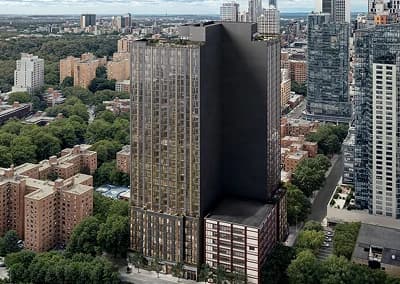
202 Tillary Street commercial building in Brooklyn
Commercial · Brooklyn
202 Tillary Street
Full wet-pipe system design and installation for a multi-tenant office renovation, filed and accepted on first FDNY test.
✓ First-Attempt Acceptance
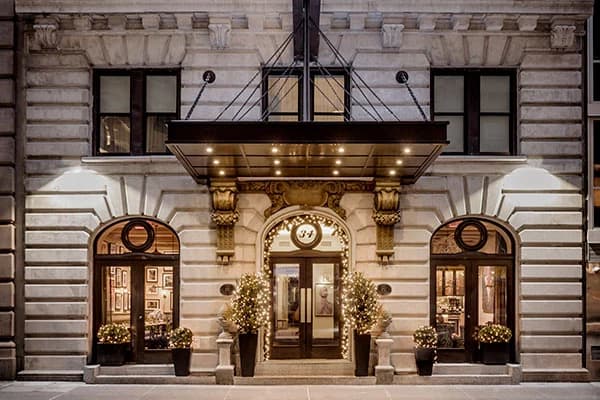
HGU New York Hotel entrance in Manhattan
Hospitality · Manhattan
HGU New York Hotel
New construction sprinkler and fire pump installation designed alongside the general contractor, from foundation through FDNY acceptance testing.
✓ New Construction
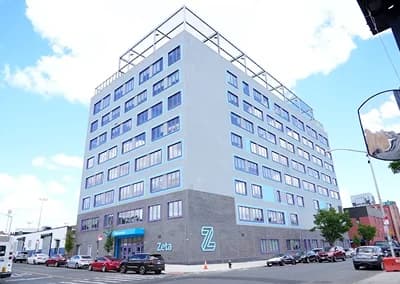
Zeta Charter School NYC building
Education · Charter Schools
Zeta Charter Schools
System replacement across multiple school locations, phased around the academic calendar to avoid disrupting classroom use.
✓ Phased System Replacement
Client Reviews

What Building Owners
& Managers Say

★★★★★

When our fire alarm failed during a critical inspection, County Fire had us back up and running within hours. Their knowledge of exactly what FDNY enforcement looks for is unlike anyone else we have worked with in NYC.

Benjamin Rosen
Construction Manager, Educational Institution — New York City
★★★★★

County Fire handled our fire alarm installation, extinguisher program, and semi-annual inspections for a new construction portfolio. Their ARCS compliance expertise helped us navigate FDNY seamlessly — first-time approval on every building.

Illa Rachel
Multi-Property Owner & Investor — New York City
★★★★★

Five years, multiple commercial properties. Sprinkler installations, semi-annual inspections, fire alarm maintenance — County Fire manages our entire compliance program. Every property passes on schedule. Genuinely reliable.

Nazeef
Director of Operations, Qudron — Dover, Delaware
Common Questions

Fire Sprinkler Installation FAQs
For NYC Projects

Direct answers to what architects, contractors, and building owners ask most about fire sprinkler design and installation.

Planning a Project?
Request a
Design Quote.

Tell us about your project scope. We respond within 24 hours with next steps and a scoped quote.

Request a Design Quote →📞 (888) 470-3473
FDNY licensed & NICET certified
DOB filing included
Hydraulic calculations included
All 5 NYC boroughs

Planning a Fire Sprinkler
Installation Project?

Hydraulic calculations, DOB filing, installation, and FDNY acceptance testing — one licensed team, start to finish. Tell us about your project and we'll respond within 24 hours.