Fire Extinguisher Services
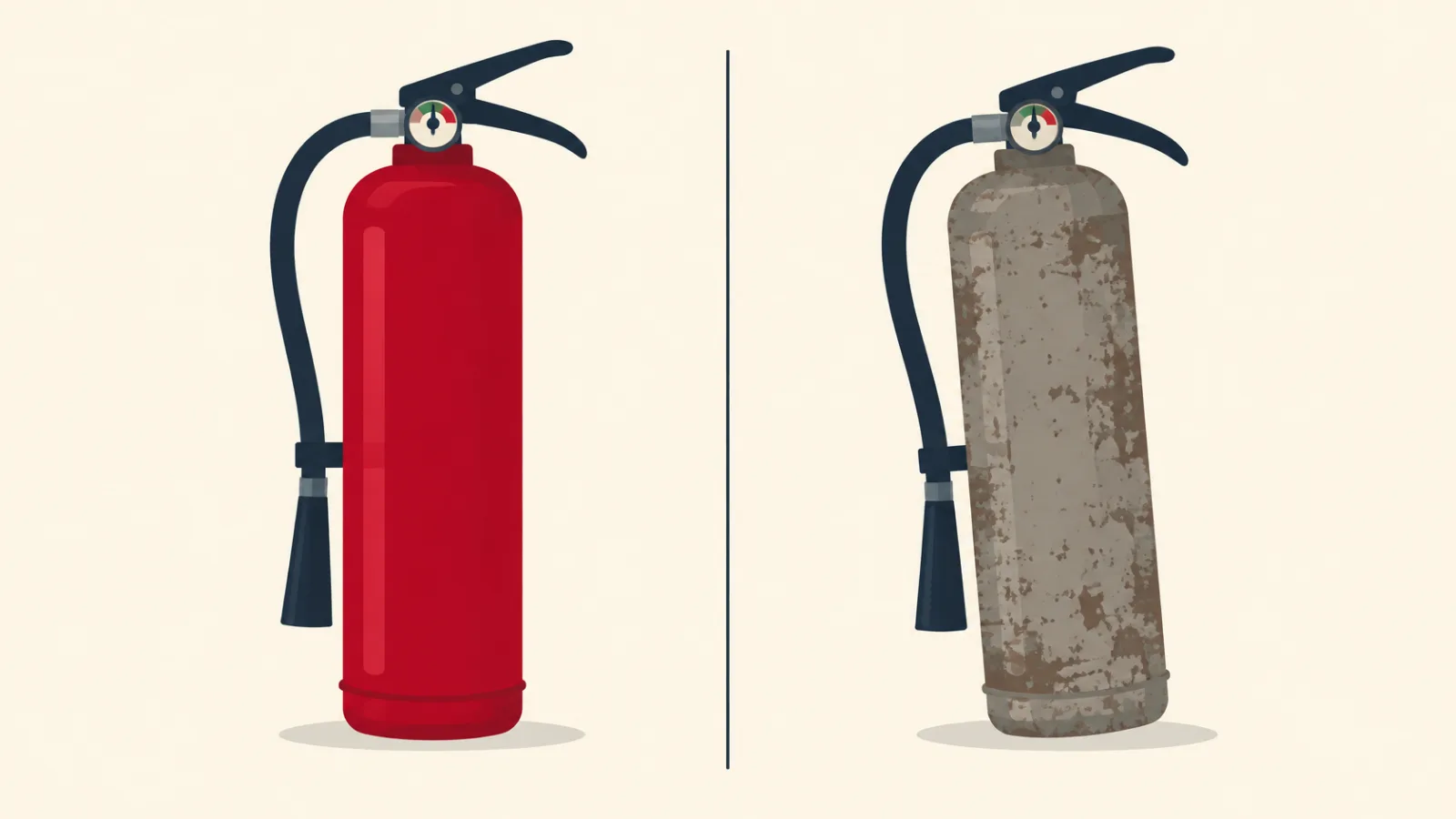
When Is a Fire Extinguisher Condemned vs Recharged
Why a service company recharges one extinguisher and condemns another: the NFPA 10 intervals, the conditions that retire a cylinder, and what to get in writing.
FDNY compliance guides, inspection checklists, and fire safety expertise for NYC property owners.
Why a service company recharges one extinguisher and condemns another: the NFPA 10 intervals, the conditions that retire a cylinder, and what to get in writing.
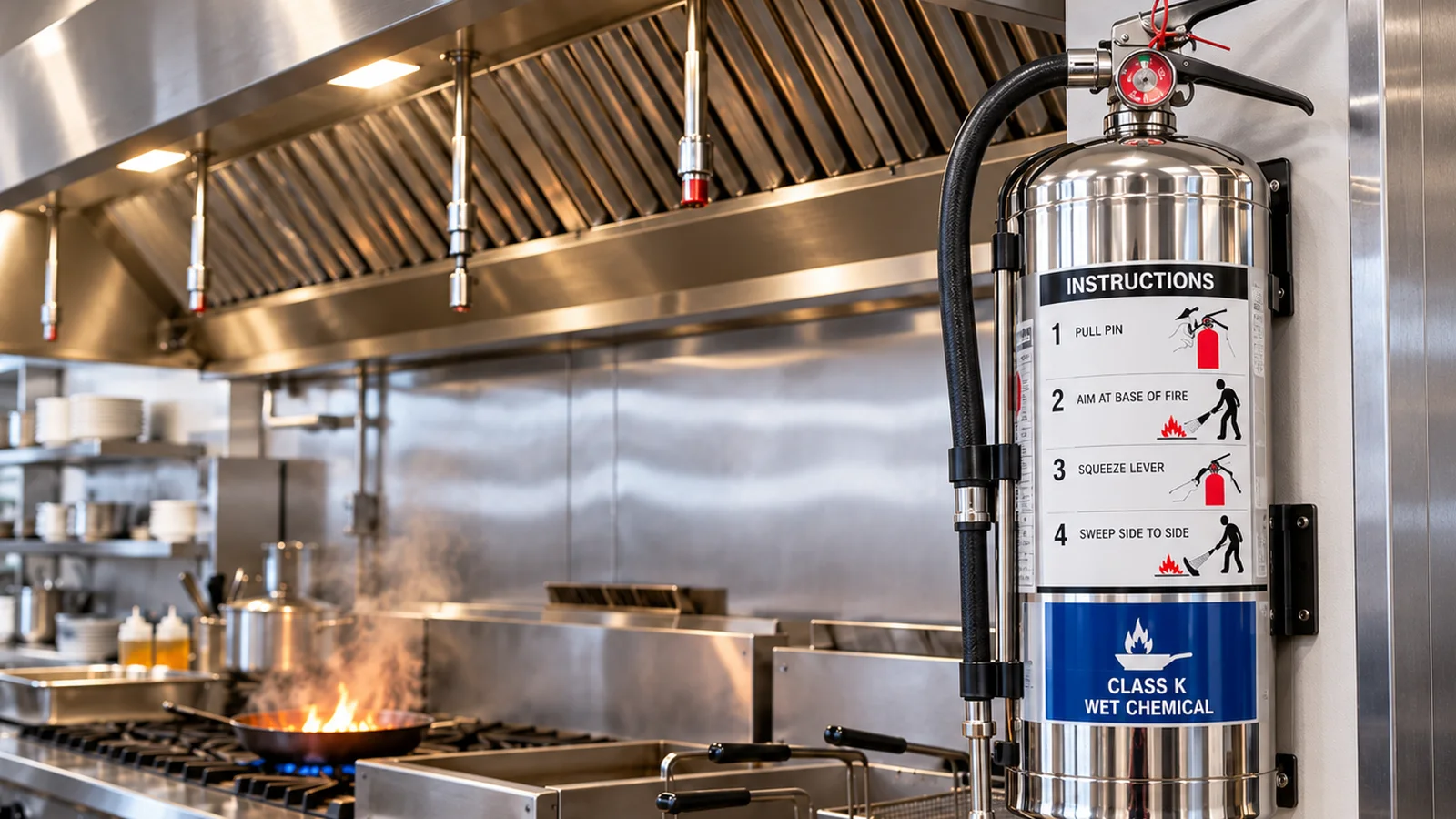
What a NYC restaurant kitchen is required to have: the Class K unit, the shorter travel distance, the placard beside it, and the records an inspector asks for.
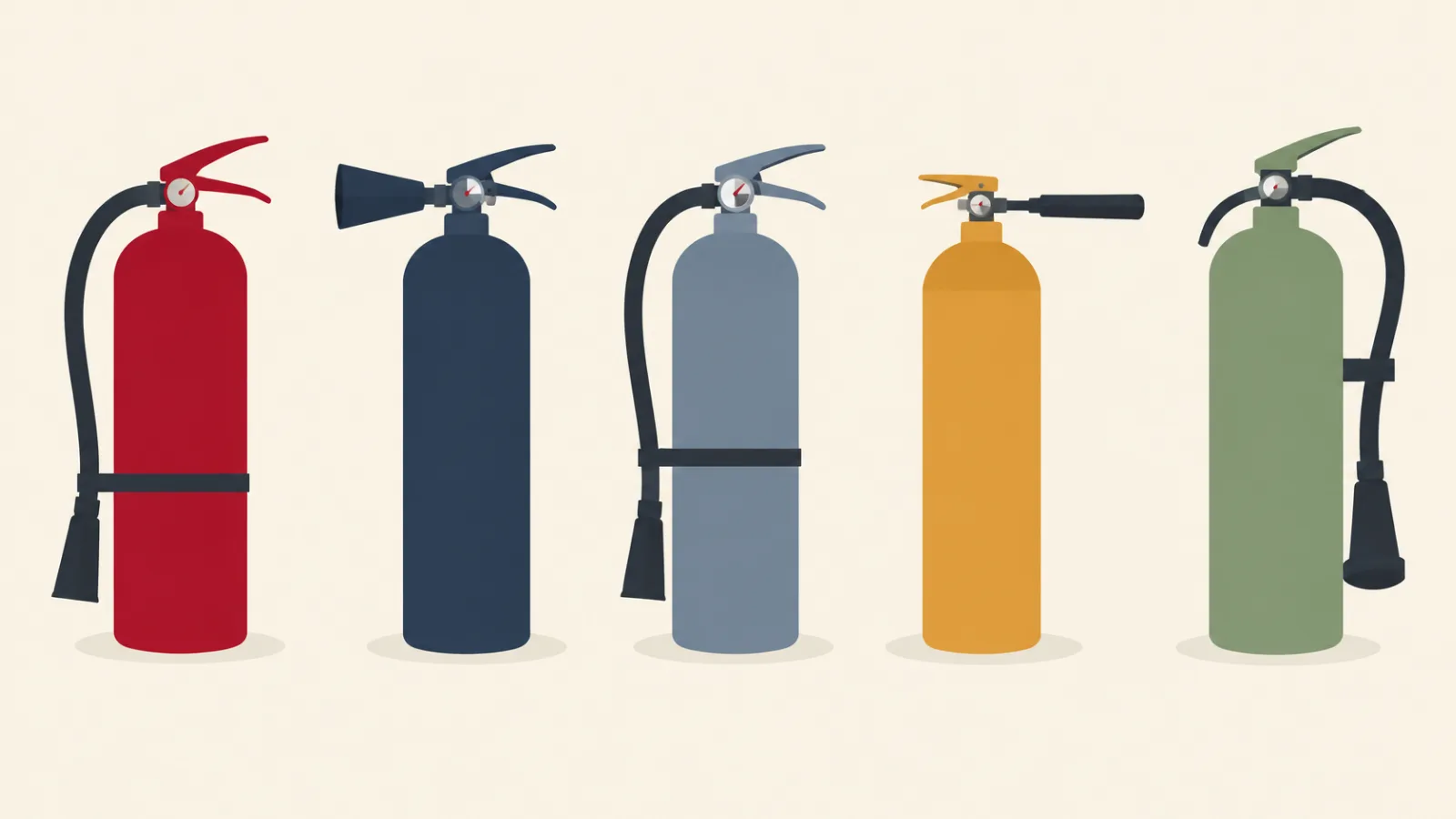
Fire extinguisher classes A, B, C, D, and K explained for NYC commercial buildings, including the rooms where a multipurpose ABC unit is the wrong choice.
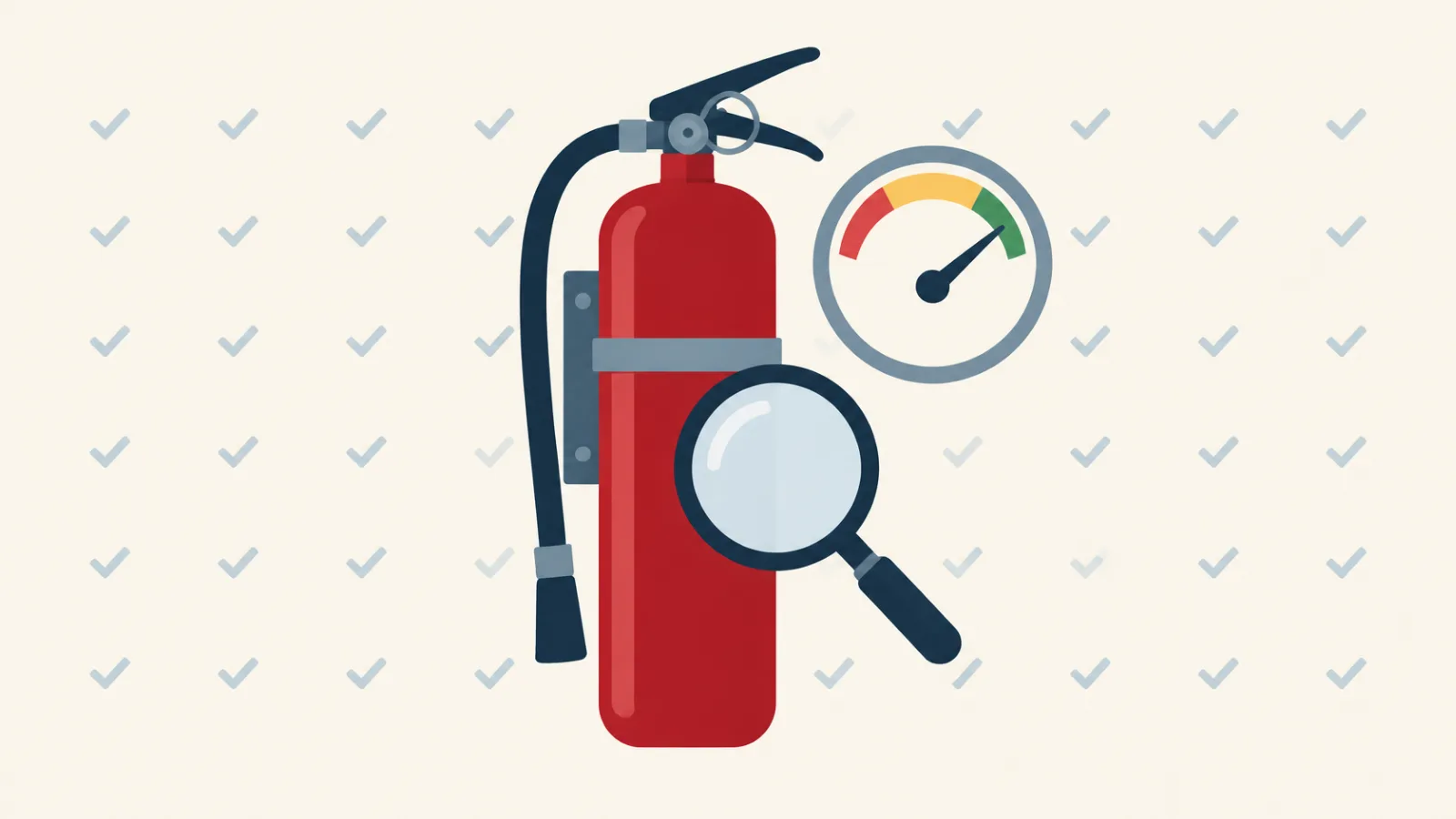
What the monthly fire extinguisher inspection checks, who in your building is allowed to perform it, and how to record it so an FDNY inspector accepts it.
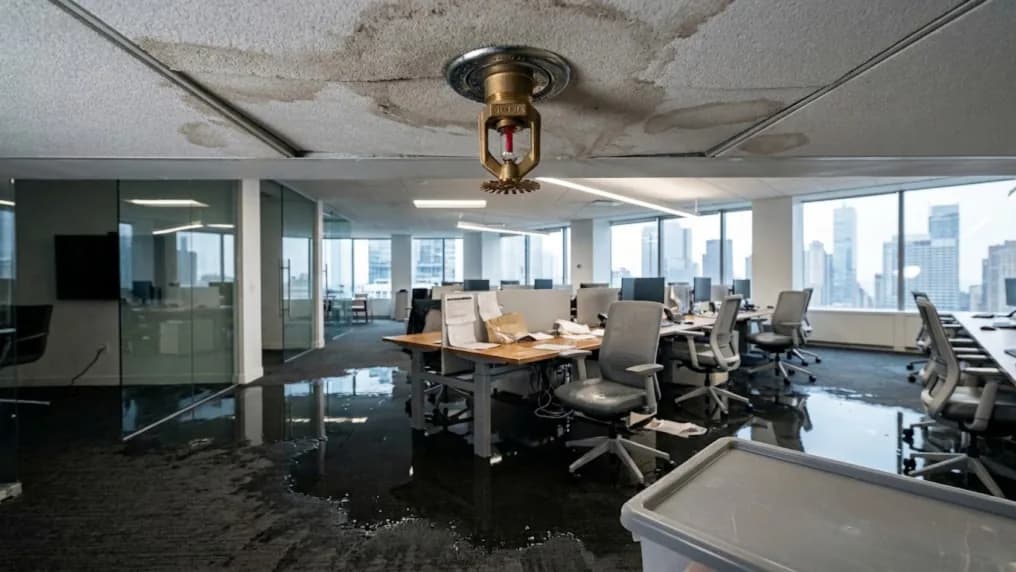
A sprinkler discharge is an insurance and lease question before it is a repair job. How liability gets allocated in NYC, and how to avoid the loss.
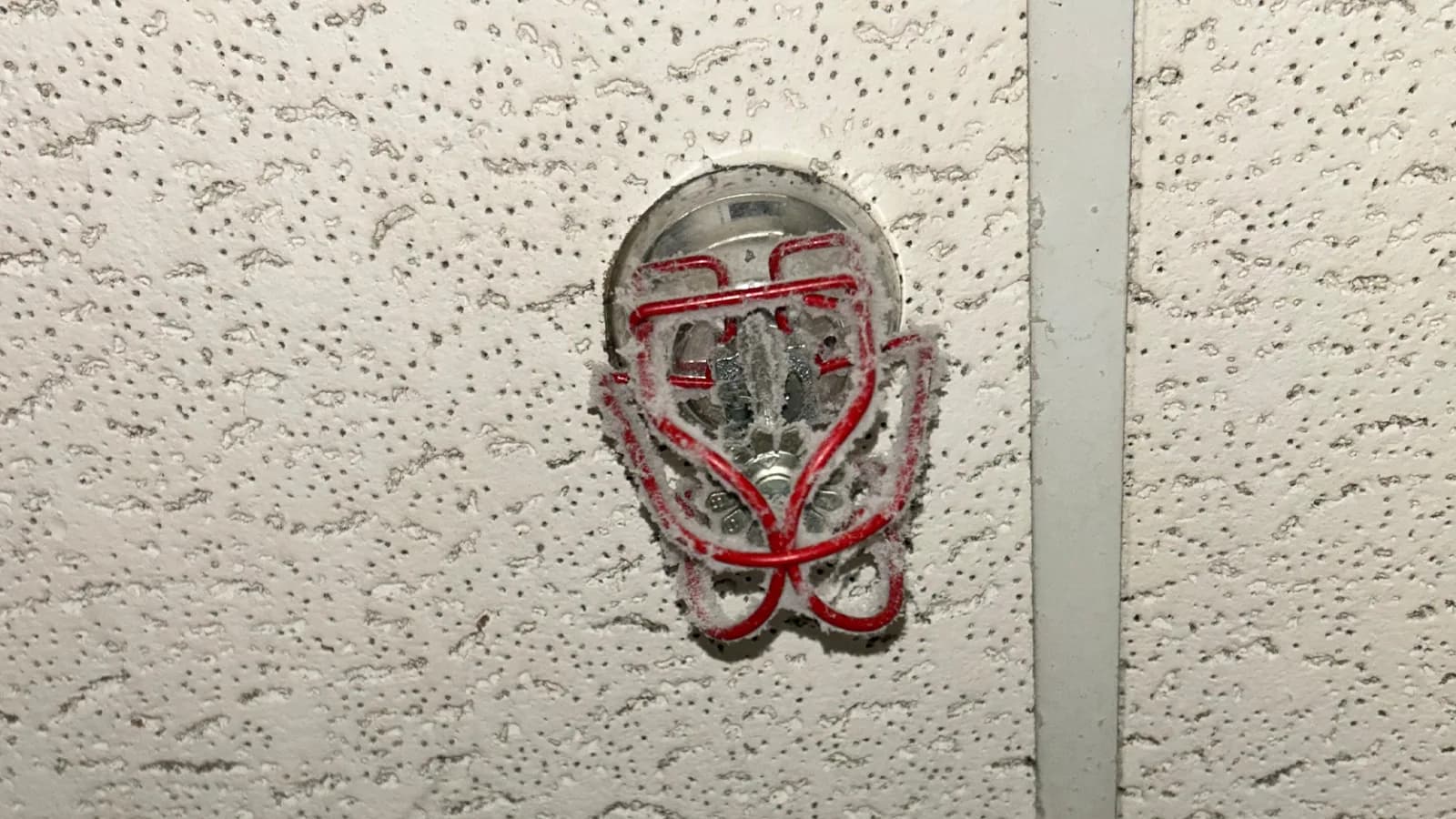
NFPA 25 sets test-or-replace intervals for sprinkler heads by type: 50 years standard, 20 fast-response, 10 dry, 5 in harsh or corrosive conditions.
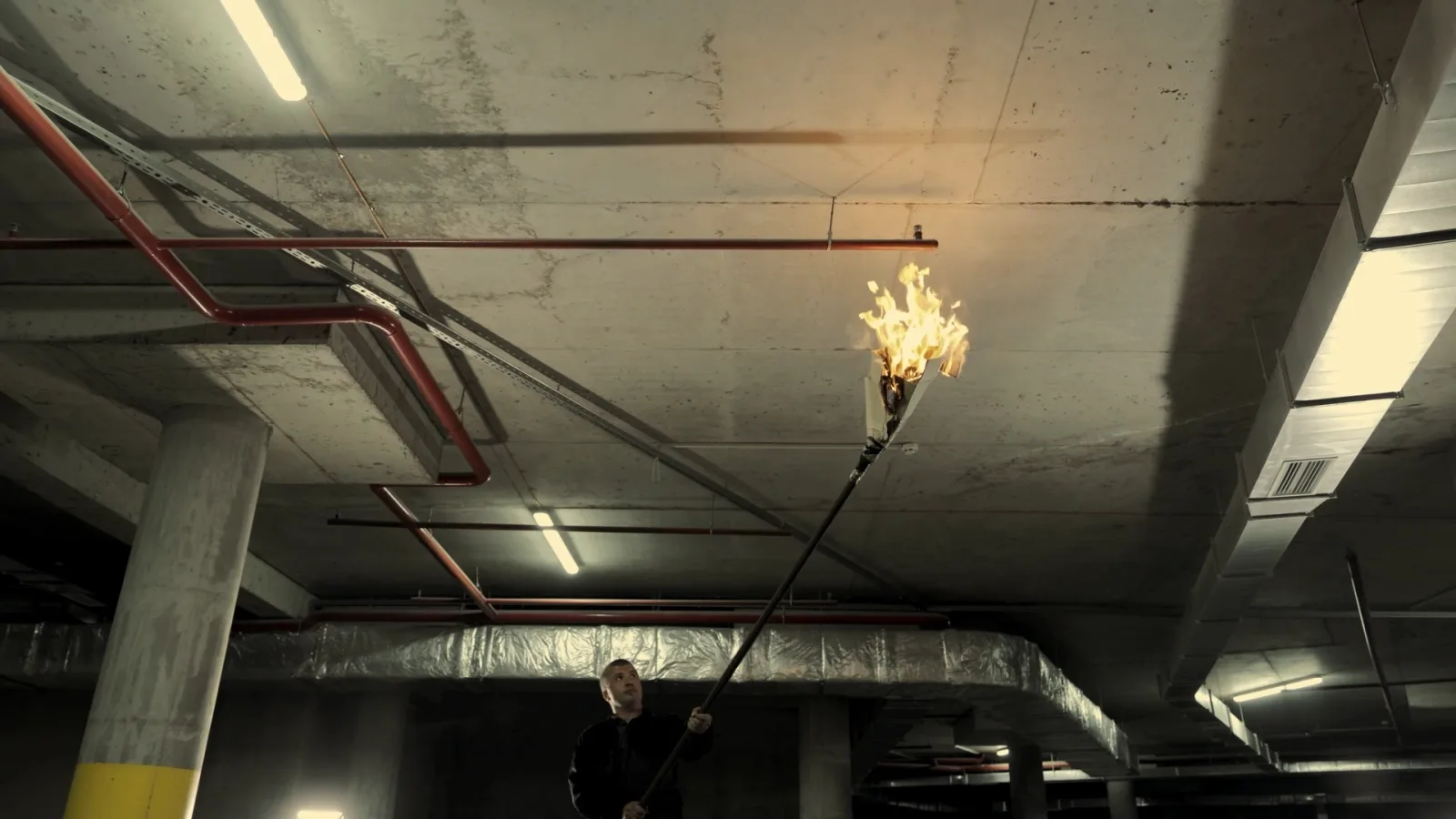
Sprinklers respond to heat, not smoke, and each head operates alone. The five activation myths NYC property managers hear most often, corrected.
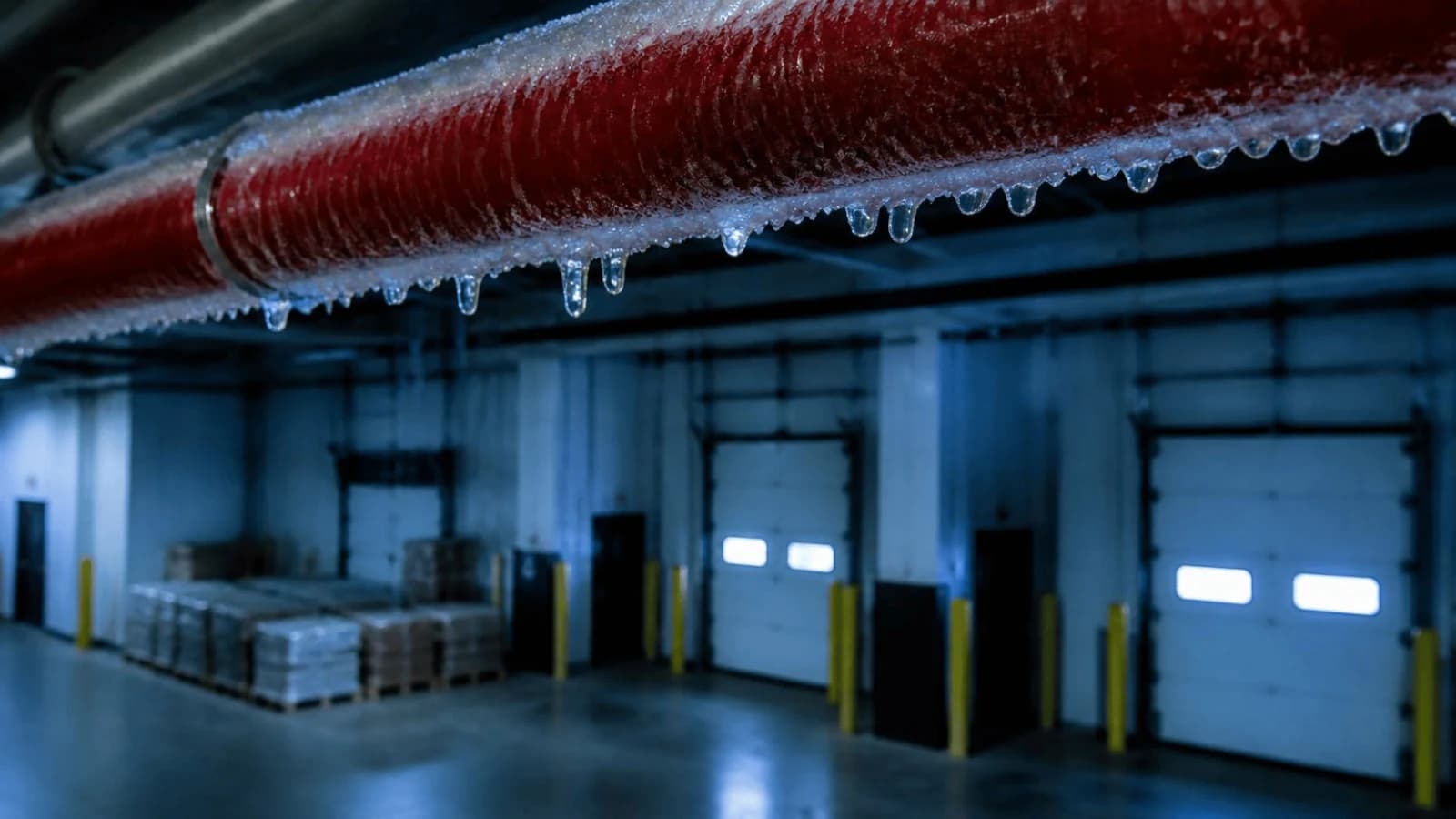
A pre-winter checklist for NYC commercial sprinkler systems: freeze exposure, valve room heat, dry pipe drains, antifreeze limits, and FDNY impairments.
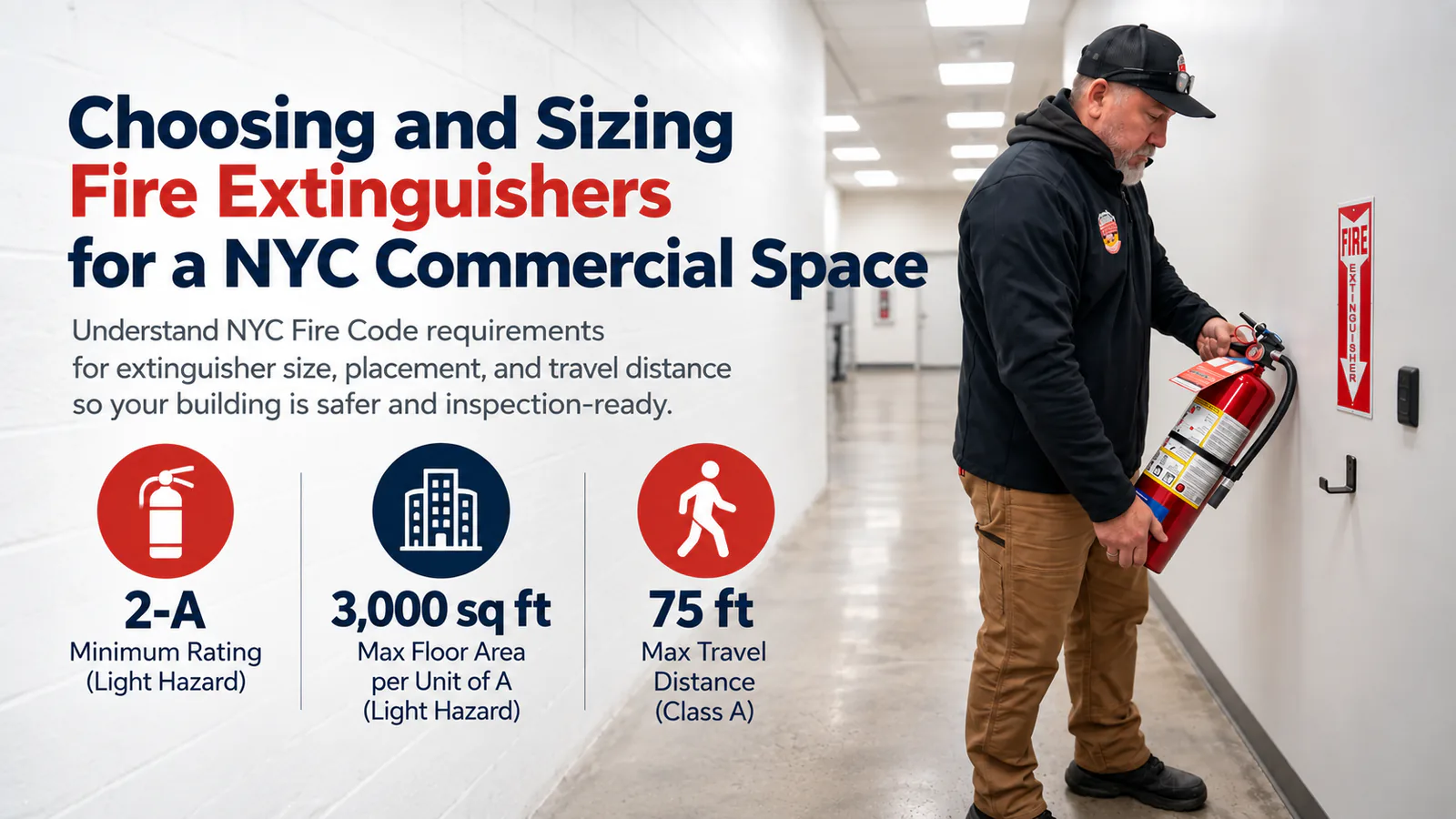
How many fire extinguishers a NYC commercial space needs and where they go: NFPA 10 sizing, FC 906 travel distance, mounting height, and placement.
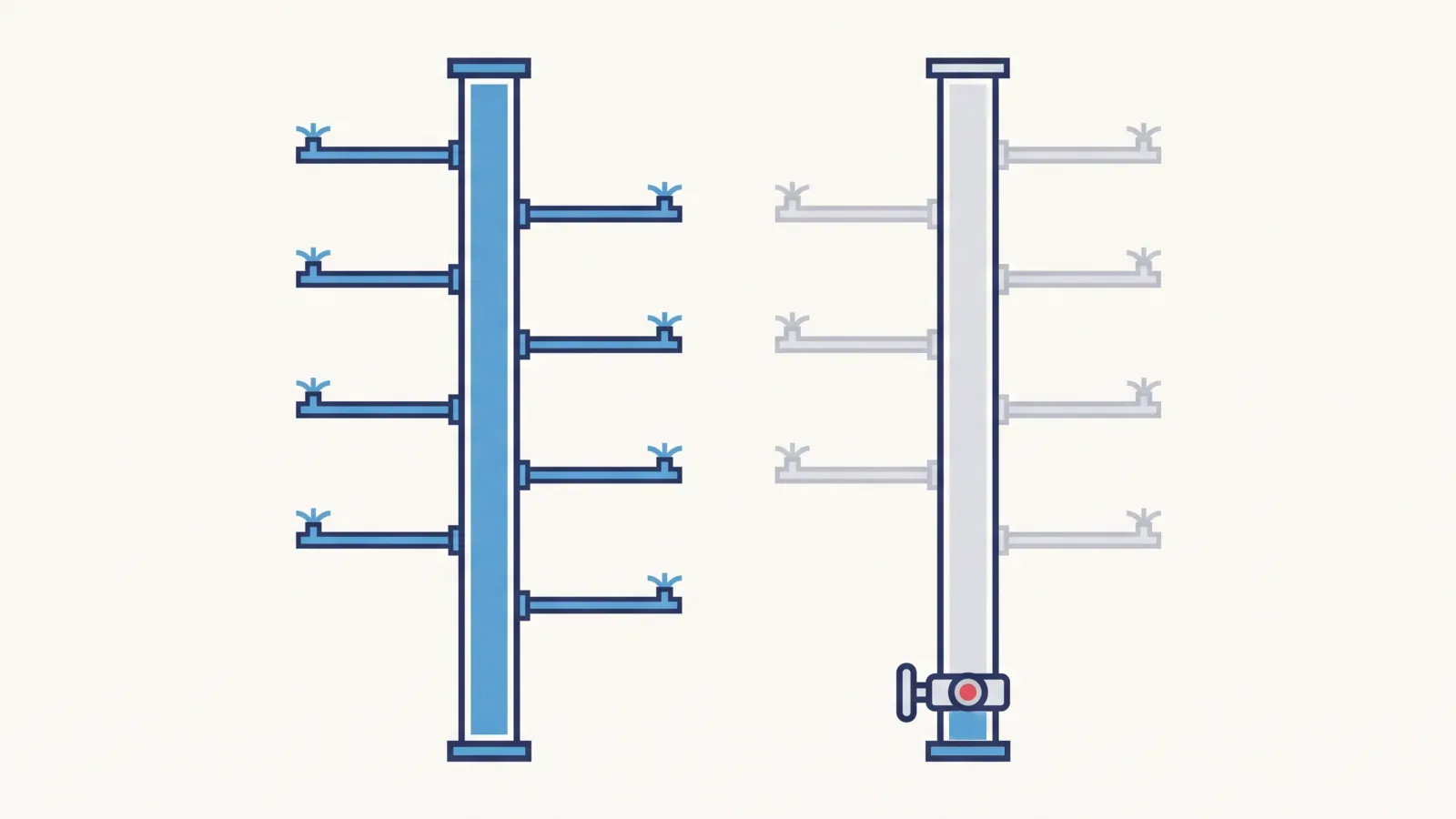
Compare wet and dry pipe sprinkler systems for NYC buildings, including freezing risk, response, maintenance, corrosion, and lifecycle cost.
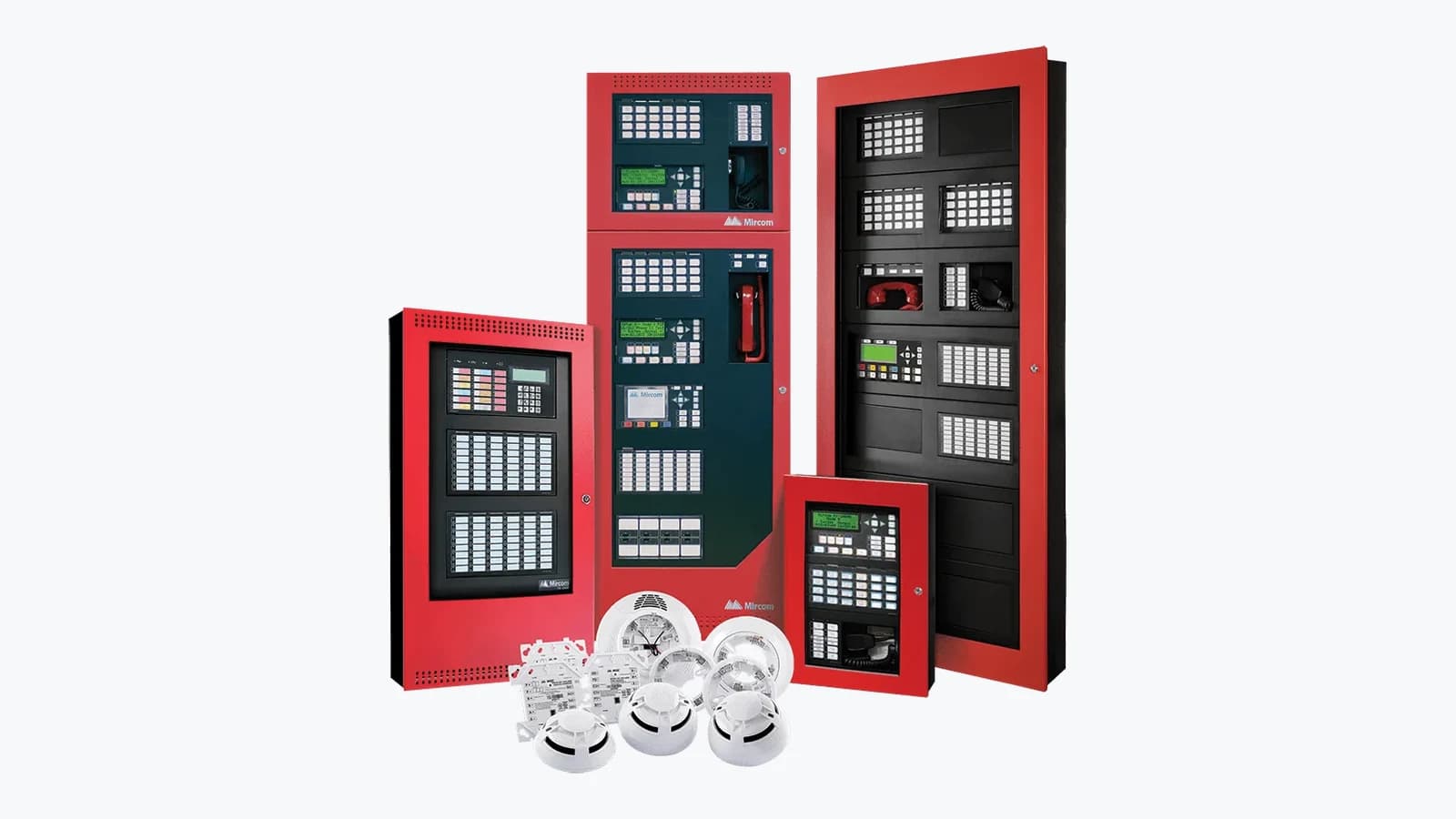
Mircom, Notifier, Simplex, Honeywell, Edwards EST, Silent Knight, Gamewell-FCI — what separates them, and why the brand decides who can service you.
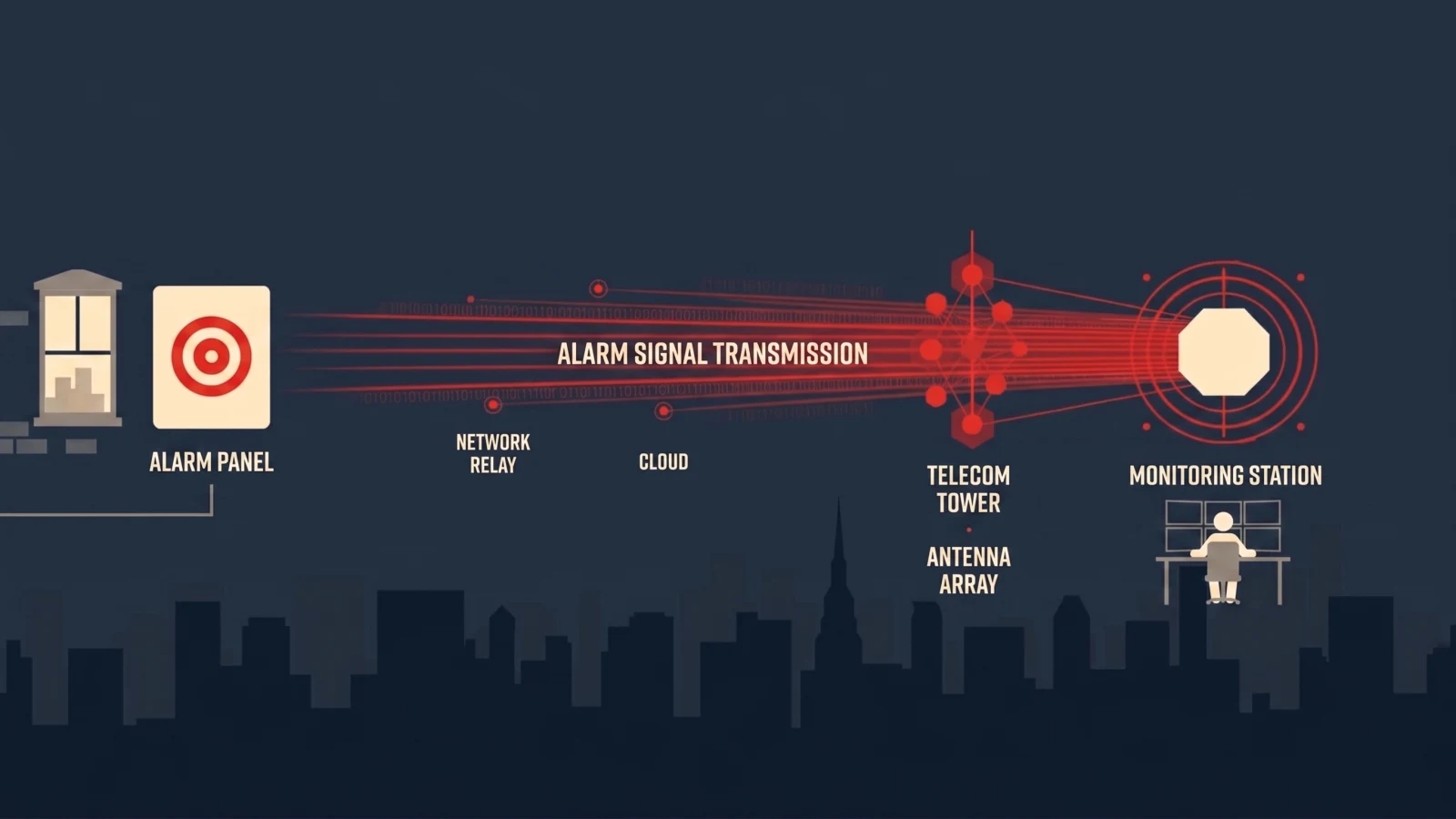
Two monitoring quotes can look identical and describe different services. In NYC the deciding question is whether the company holds an FDNY certificate.
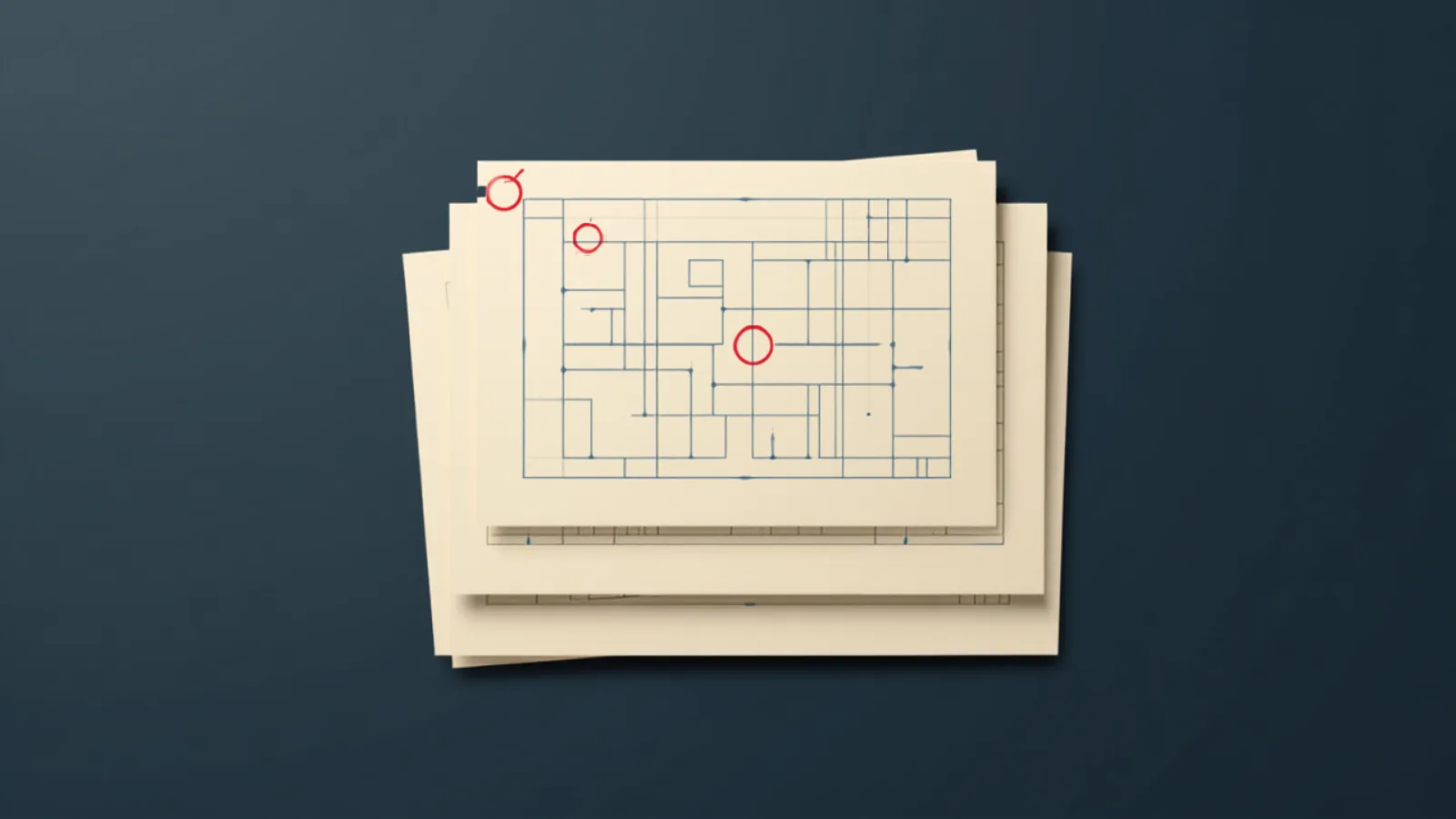
Most fire alarm plan objections are not design failures. They are mismatches between the drawings, the application, and the building's occupancy records.
No code sets an expiry date on a fire alarm system. The signals that actually justify replacement are parts, support, fault patterns, and new requirements.
A small commercial fire alarm inspection runs two to four hours; a high-rise takes days. What actually drives the timeline, and how to plan the building day.
Local Law 26 required sprinklers in NYC office buildings over 100 feet by July 2019. What it covers, who it binds, and what non-compliance now costs.
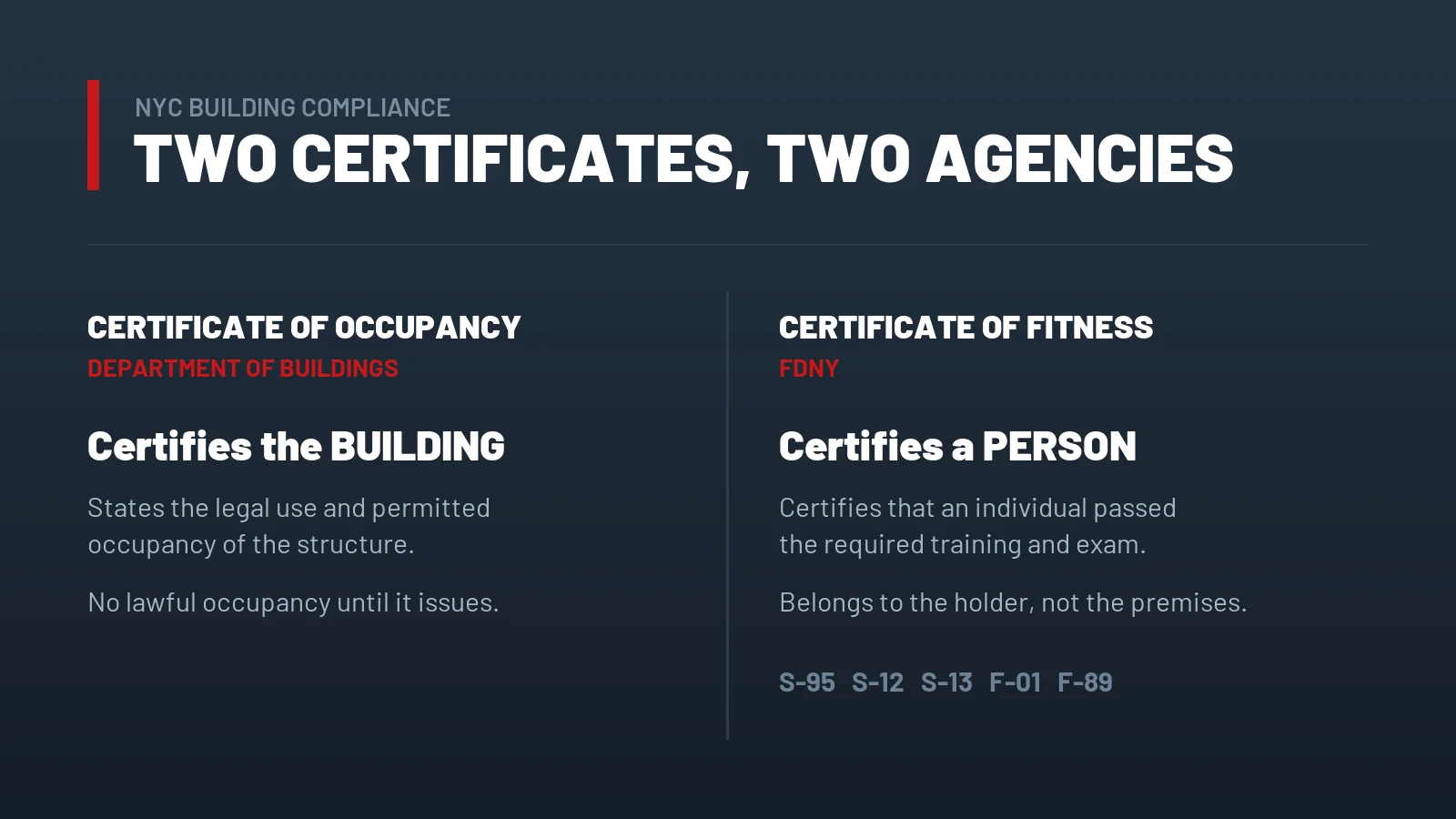
One certifies a building, the other certifies a person, and they come from different agencies. What each covers and where fire protection touches both.
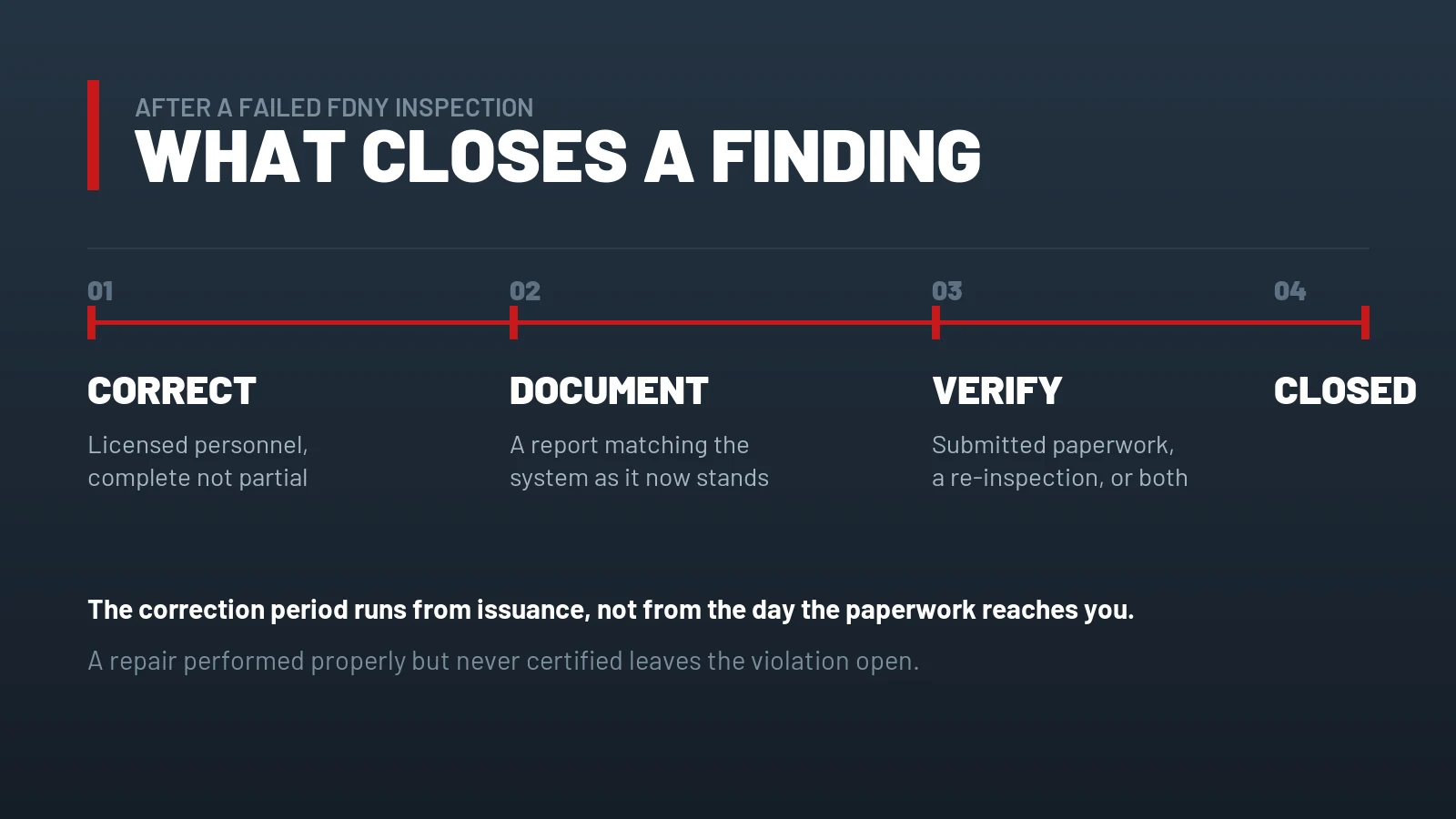
Failing an FDNY inspection starts a clock, not a dispute. What has to be corrected, documented, and verified before a re-inspection will close the finding.
A property manager checklist for FDNY inspection readiness: alarm, sprinkler, extinguishers, egress, and the records that prove each one was serviced.
An unresolved FDNY violation does not sit still. What escalating penalties, insurance exposure, and a lengthening paper trail actually cost NYC owners.
What an FDNY violation code actually is, why third-party code lists often disagree, and how to clear a finding against your NYC commercial building.
An FDNY inspection report decides what happens next. How to read the document type, the violation category, the remedy, and the correction deadline.
Insurance pays after a fire; it does not prevent one. Why maintenance records affect your coverage, and what working fire protection actually protects.
Commercial kitchens combine open flame, grease, and high heat. The fire risks NYC inspectors cite most, and the suppression records they ask to see.
Deferred fire system maintenance costs more than the repair. What surprise inspections uncover, and how to keep your NYC building inspection-ready.
Most FDNY inspections arrive unannounced. What inspectors check first, the paperwork that fails buildings, and how to stay ready rather than prepare.
Would your building pass a fire inspection today? The records, systems, and egress conditions an inspector checks, and how to find gaps before they do.
What happens during an FDNY commercial inspection: who must be present, what gets walked, which records are requested, and how findings are closed.
Small fire alarm faults rarely stay small. How trouble signals, ground faults, and dead batteries become FDNY compliance failures, and what to do.
An FDNY fire alarm citation is either a Notice of Defect or a Violation Order. How to read yours, correct it, and get the record formally cleared.
A complete guide to FDNY fire alarm inspections: what degrades a system between visits, what inspectors test, and the records that prove compliance.
Guessing at commercial fire alarm system design invites FDNY violations and system failure. What proper device placement and code compliance require.
Holding a sprinkler violation? The correction, documentation, and re-inspection steps that close it out instead of letting penalties escalate.
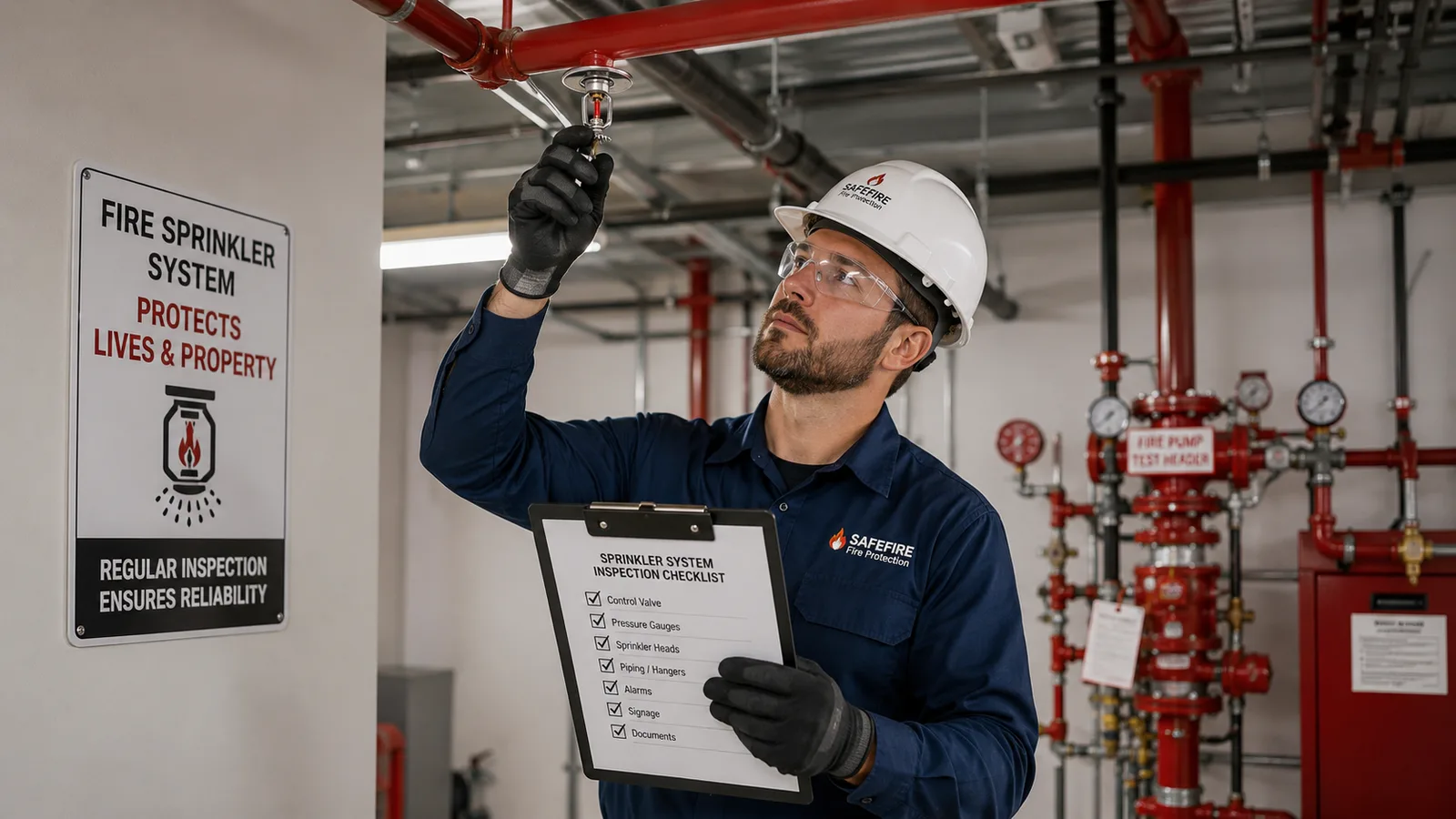
FDNY sprinkler inspection requirements explained: what gets checked, which records prove compliance, and how missing paperwork becomes a violation.
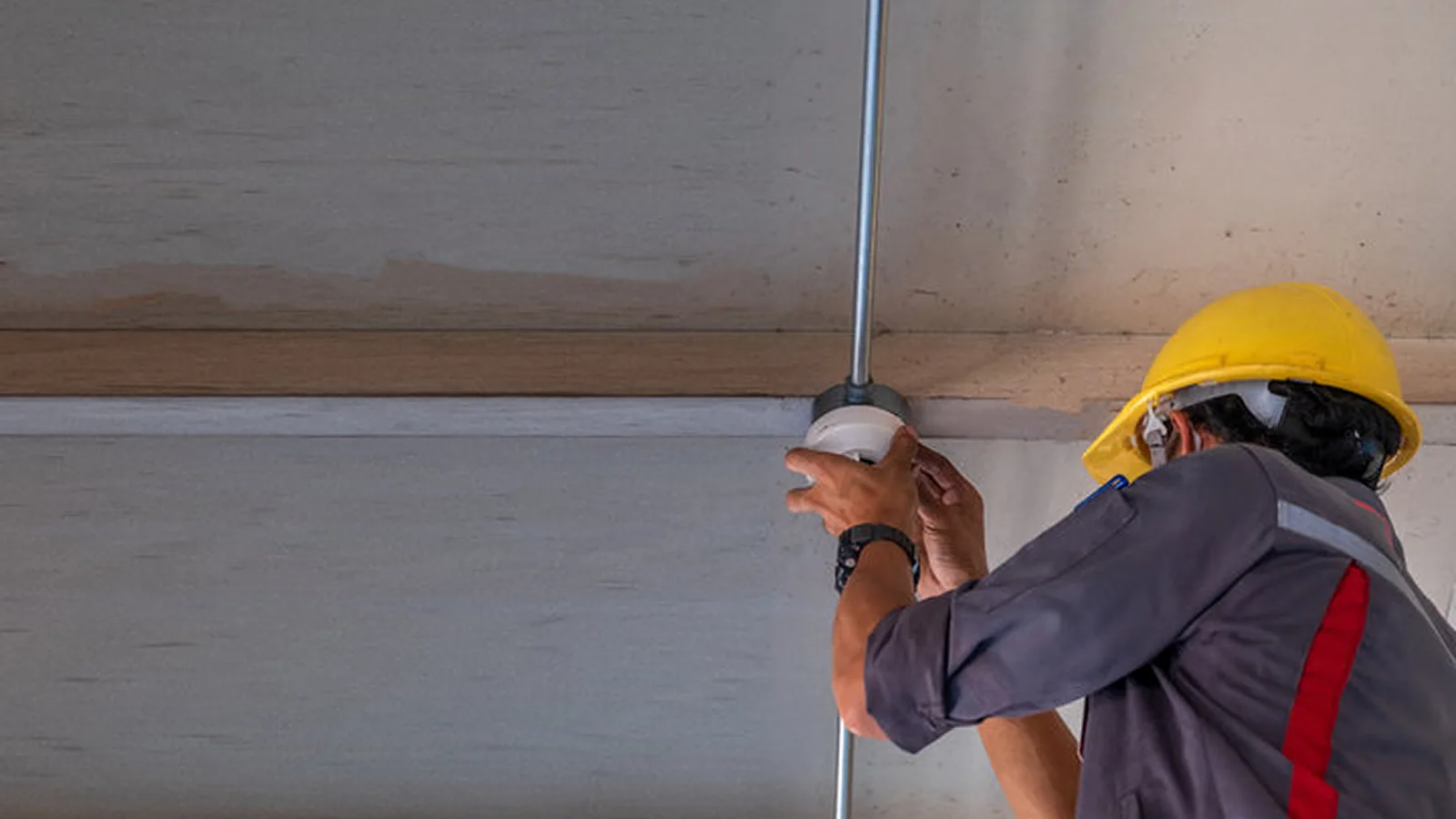
A leaking sprinkler head is a symptom, not the problem. Why weeping heads signal corrosion or pressure faults, and why they are replaced, not repaired.
Poor sprinkler design surfaces at the worst moment, just before your Certificate of Occupancy. The violations bad layouts cause and how to avoid them.
Commercial sprinkler systems fail quietly. How corrosion, closed valves, and skipped NFPA 25 testing become hidden liability for NYC property owners.
FDNY violations are climbing across NYC. Why enforcement finds more, what open violations cost beyond the fine, and how to secure full clearance.
Sprinkler leaks above the ceiling stay invisible until the damage is structural. The real cost of silent failures, and the warning signs to watch for.
Commercial fire extinguisher inspection in NYC: what inspectors check, how often service is required, and the tagging that proves you are compliant.
BDA and ARCS systems keep first responder radios working inside your building. What NYC owners must test, document, and recertify every year.
One overlooked system affects every other. How a single fire safety gap cascades into FDNY violations, insurance exposure, and tenant risk in NYC.
Manual pull stations let occupants raise an alarm before detectors react. NYC code requirements for placement, height, and maintenance, explained.
Fire extinguisher maintenance is a required life-safety function, not a discretionary task. What New York commercial properties must service and log.
Spot a failing fire extinguisher before an inspector does: pressure loss, damaged hoses, missing tags, and the warning signs that require service.
Fire extinguisher tagging is among the most cited code issues in NYC. What documentation inspectors require, and why missing tags fail an inspection.
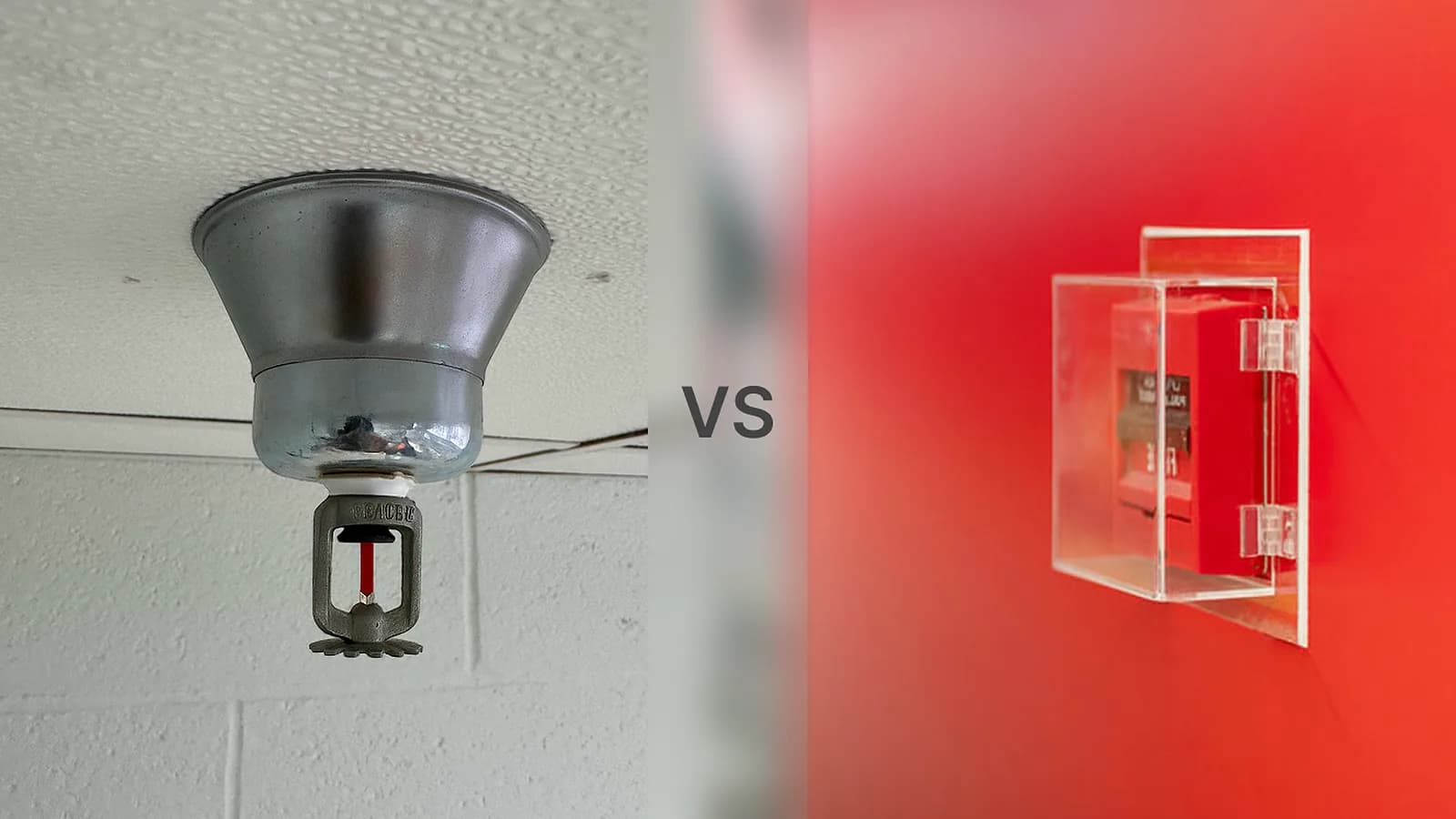
A fire alarm warns people and a sprinkler system fights the fire. In most NYC buildings they are not alternatives, and they are wired to each other.
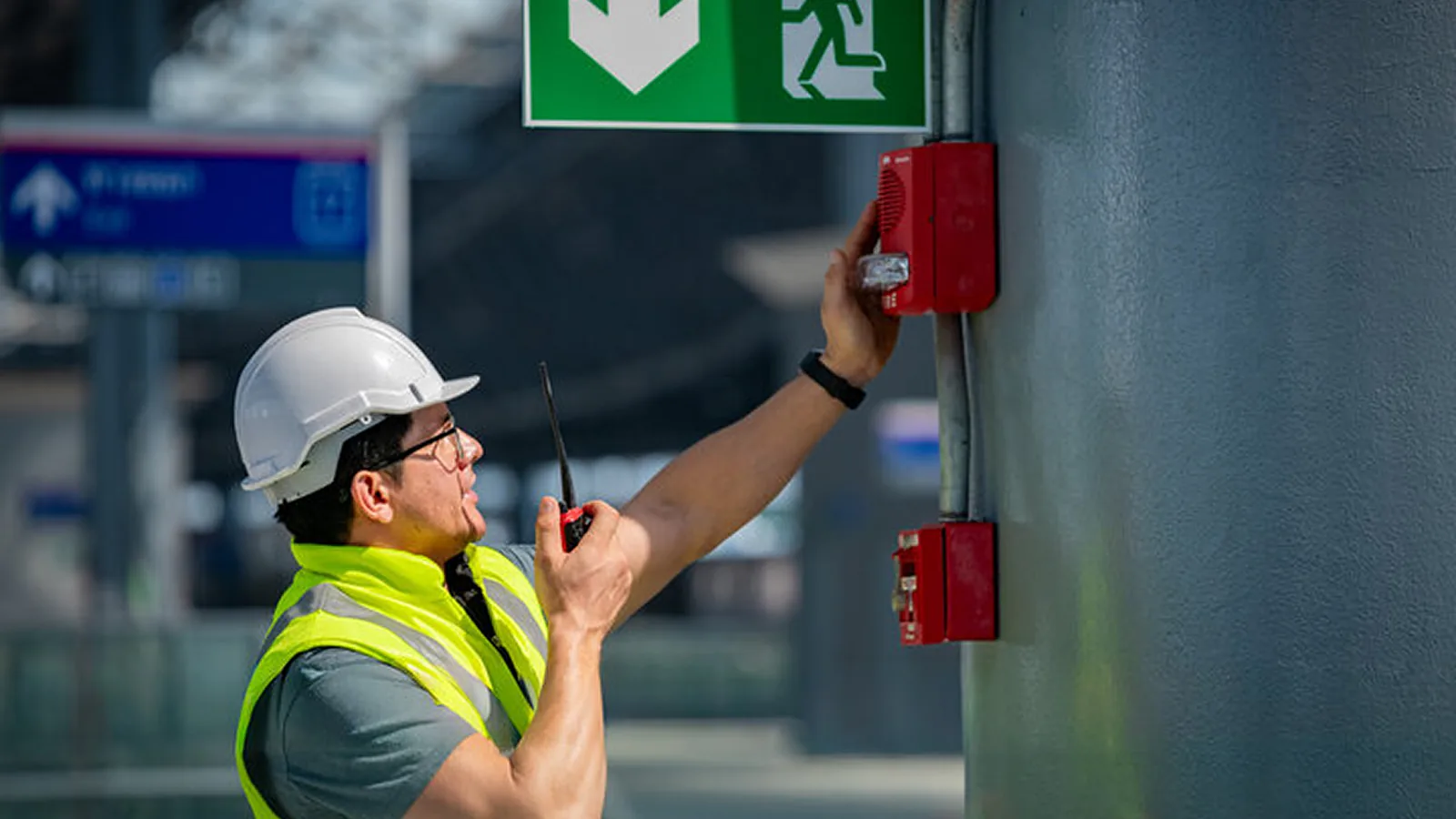
A walkthrough of a fire alarm maintenance visit: what the technician checks, what you should have ready beforehand, and what the report means afterward.
A lapse in fire alarm testing rarely announces itself. It surfaces as an FDNY violation, and what closes that violation is documentation, not the repair.
FDNY fire alarm approval runs through plan examination, installation and an acceptance test. Here is what each stage asks for and where projects stall.