Commercial Fire Sprinkler Systems: Preventing Hidden Liabilities and Ensuring Complete Compliance
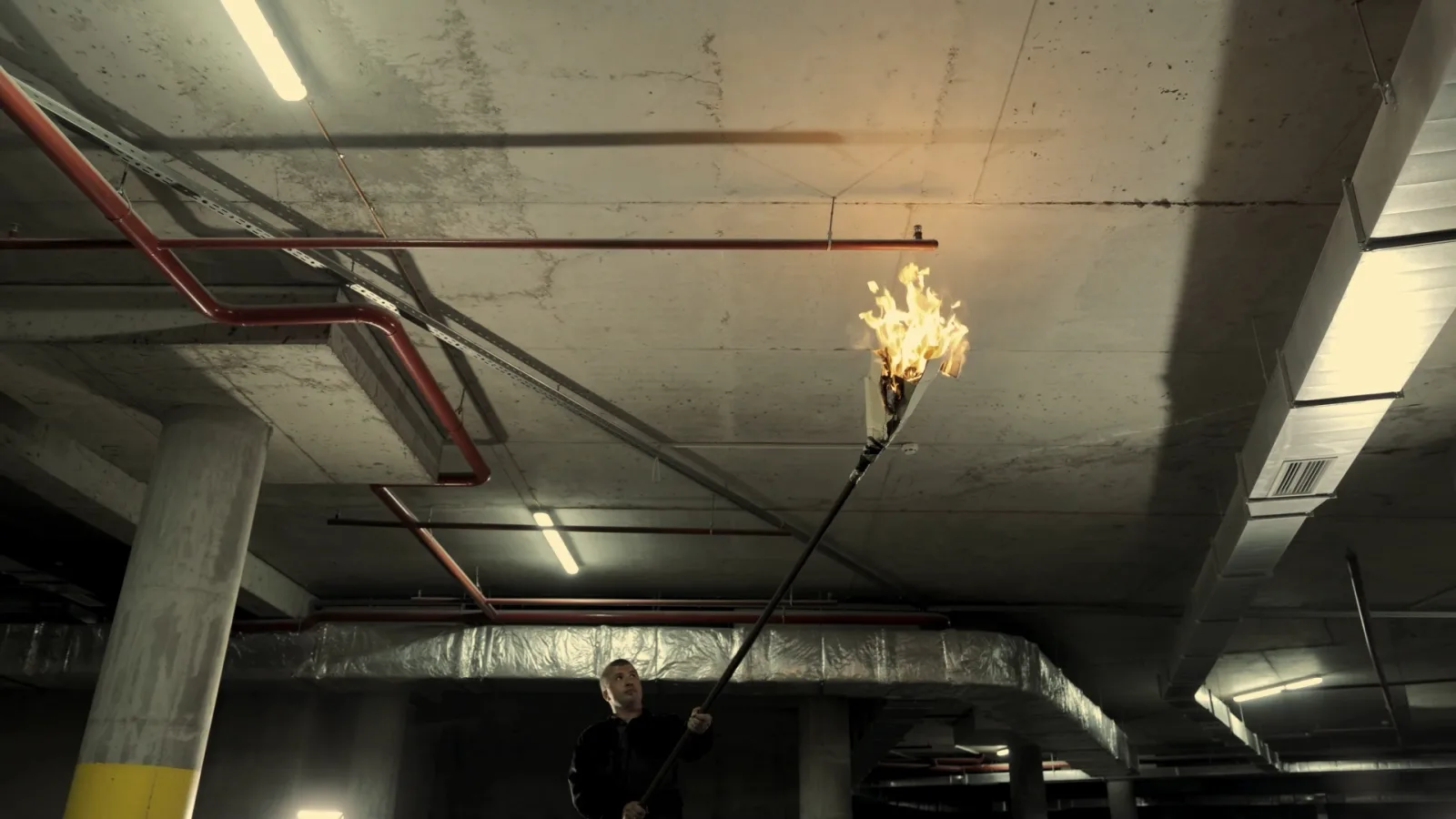
Imagine this: It’s 2:00 AM on a Tuesday. Your facility manager’s number flashes on your phone, and a sinking feeling hits your stomach. A small electrical fire broke out in a tenant's server room. The fire itself wasn’t the disaster—the disaster was that the commercial fire sprinkler system, your building’s first line of defense, failed to activate due to an undetected pressure drop.
Now, you are facing millions in property damage, severe operational disruption, and a tidal wave of liability claims.
For commercial property owners, a fire sprinkler system is designed to be the ultimate safety net. However, without rigorous oversight, the very infrastructure meant to protect your investment can secretly evolve into its greatest liability.
The Problem with "Set It and Forget It" Fire Safety
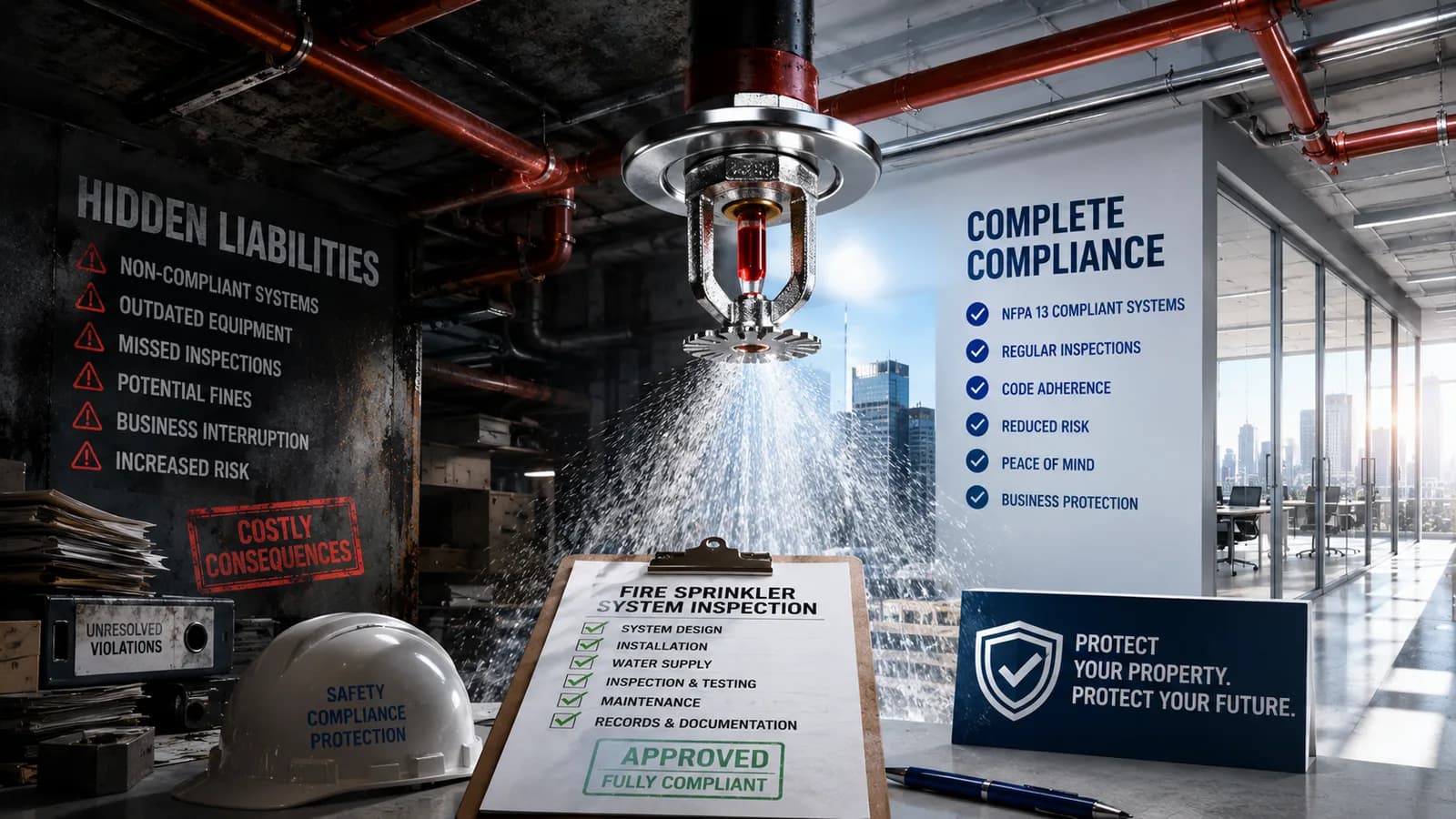
When a commercial building is constructed or retrofitted, the installation of a fire sprinkler system is a major milestone. Once the initial inspections are passed and the certificates of occupancy are issued, it is dangerously easy for property owners and facility managers to adopt a "set it and forget it" mentality.
The reality of commercial fire protection is much more volatile. A sprinkler system is a highly pressurized, complex network of pipes, valves, alarms, and sensors. It is constantly subjected to environmental wear, water quality degradation, and shifts in building usage. What was fully compliant in 2020 may be a severe hazard today. When a system is neglected, the localized containment of a small fire becomes impossible, turning a minor incident into a total loss.
Many property owners don’t realize these warning signs until a failed inspection or emergency exposes them. The gap between believing you are protected and actually being protected is where catastrophic financial and legal liabilities live.
Why Commercial Fire Sprinklers Fail
- Dangerous Design Flaws and Occupancy Changes A sprinkler system is engineered for a specific space layout and fire load. If a tenant moves in and changes the floor plan—building new walls, lowering ceilings, or installing large HVAC ducts—they can unknowingly obstruct sprinkler heads. Furthermore, if an office space is converted into high-density storage, the original water pressure and flow calculations may no longer be sufficient to suppress a fire in that specific environment.
- Missed Inspections and Testing Schedules The National Fire Protection Association (NFPA) mandates strict inspection, testing, and maintenance (ITM) schedules under NFPA 25. Skipping weekly, monthly, quarterly, or annual checks means that closed control valves, dead batteries in fire panels, or disconnected tamper switches go entirely unnoticed.
- Poor Maintenance and Internal Corrosion Water sitting in steel pipes inevitably causes internal corrosion over time. Microbiologically Influenced Corrosion (MIC) can eat through pipes, causing pinhole leaks or creating sludge that completely clogs the sprinkler heads during an emergency. Because this happens inside the pipe, it is invisible to the naked eye.
If your system hasn’t been professionally evaluated recently, hidden deficiencies may already exist. Catching these issues requires more than a passing glance; it requires dedicated, certified technical expertise.
The Severe Consequences of Ignoring Sprinkler Health
Critical Safety Risks The most immediate consequence is the threat to human life. Commercial property owners have a legal and moral obligation to provide a safe environment for their tenants, employees, and visitors. A system failure during a fire event can lead to tragic, irreversible outcomes.
FDNY Implications and Code Compliance In jurisdictions like New York, the FDNY enforces strict fire codes. Failing to maintain your system, missing mandatory tests, or ignoring Local Law requirements will result in immediate FDNY violations. These are not mere slaps on the wrist; they are formal legal notices that require a rigorous "cure" process, mandated court hearings, and the hiring of certified professionals to resolve.
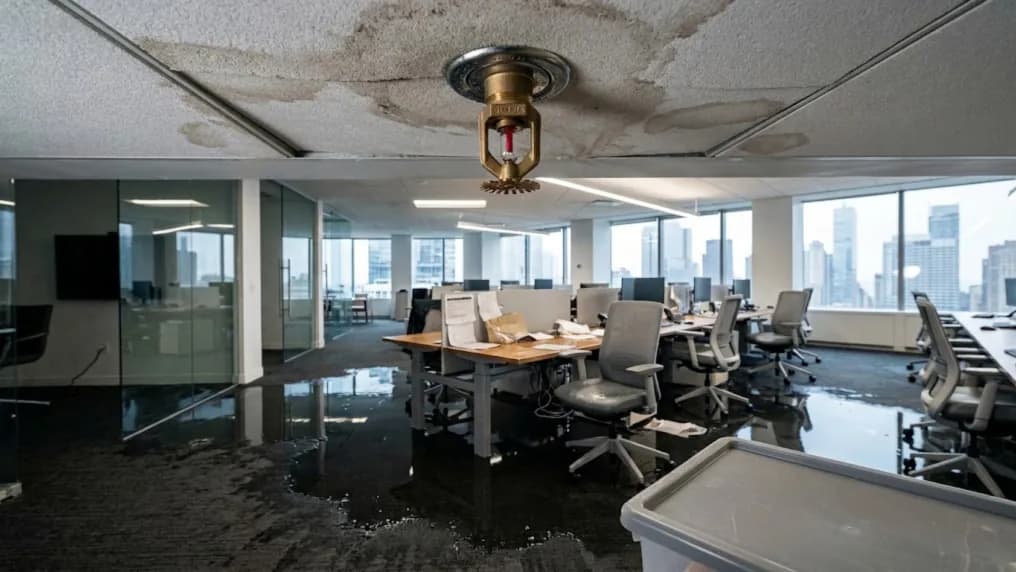
Devastating Financial Impacts The financial penalties for non-compliance are steep, but they pale in comparison to other hidden costs. If your building suffers fire damage and the insurance investigator discovers your sprinkler system was out of compliance or poorly maintained, your insurance provider can—and likely will—deny your claim. Furthermore, unmaintained systems are prone to accidental discharges, where thousands of gallons of black, stagnant water destroy tenant property, electronics, and interior finishes, leaving you liable for the damages.
Operational Disruption A severe violation can result in a vacate order, forcing tenants out of the building until the life safety systems are brought up to code. The loss of rental income, combined with the emergency costs of expedited repairs, can cripple a commercial property's cash flow.
A professional inspection now can help prevent expensive emergency failures later. Proactive maintenance is always a fraction of the cost of reactive disaster recovery.
Warning Signs Every Property Owner Must Watch For
While a certified professional is required to fully diagnose a fire suppression system, property managers should be trained to spot these early visual indicators of system degradation:
- Visible Corrosion or Rust: Any orange, brown, or green discoloration on exposed pipes, joints, or sprinkler heads indicates active corrosion.
- Unexplained Drips or Leaking: Even a minor, occasional drip from a pipe or valve suggests a failing seal or pinhole leak that could rupture under pressure.
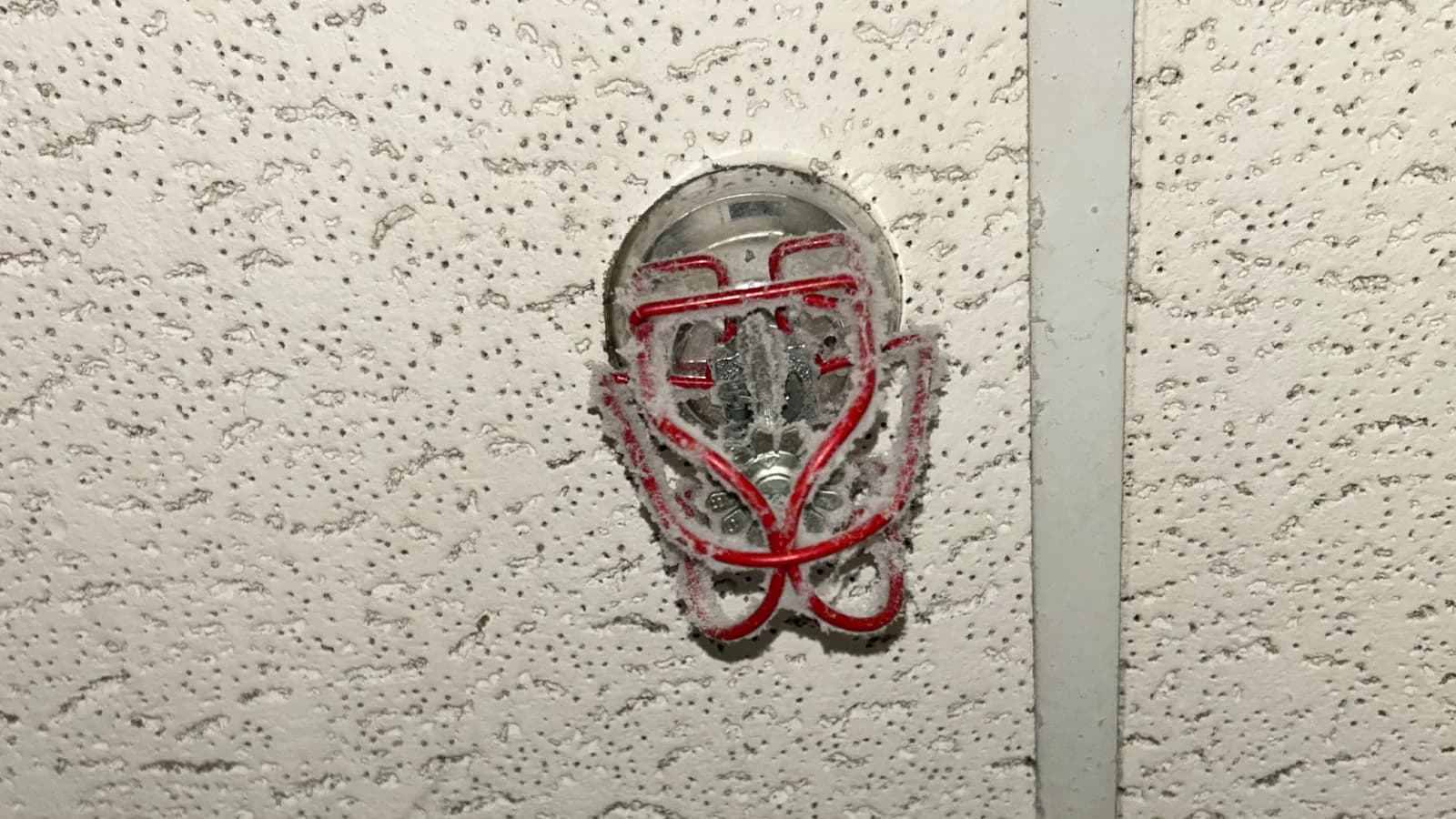
- Painted Sprinkler Heads: During tenant renovations, painters frequently and mistakenly paint over sprinkler heads. Even a thin layer of paint will alter the thermal activation temperature, rendering the sprinkler useless during a fire.
- Low Pressure Readings: Routine checks of the system's pressure gauges should show stable readings. Unexplained drops in pressure mean water is escaping or a valve is malfunctioning.
- Outdated Inspection Tags: Every commercial system must have a physical tag detailing the last official inspection date. If the tag is missing or the date has passed, you are actively out of compliance.
Noticing any of these signs? A routine compliance check is the easiest way to find out where your building stands. Don't wait for the fire marshal to point them out.
How County Fire Secures Your Building and Your Business
Comprehensive Inspections and Testing We execute complete NFPA 25 compliant fire sprinkler inspection and testing—covering weekly, monthly, quarterly, and annual requirements. Our technicians don't just check the boxes; they conduct deep-dive evaluations of waterflow alarms, main drains, antifreeze loops, and fire pump performance to ensure absolute readiness.
Expert Maintenance and Emergency Repairs From clearing out internal pipe sludge to replacing compromised valves, our routine maintenance prevents the need for emergency services. However, if an emergency does arise, our rapid-response diagnostics and repair teams are available to secure your building and minimize operational downtime.
Seamless Violation Removal and Compliance Verification Dealing with FDNY violations is notoriously complex. County Fire manages the entire violation removal process. We diagnose the root cause of the citation, perform the necessary repairs, file the required paperwork with the authorities, and advocate on your behalf to clear your building’s record.
Outcomes You Can Rely On By trusting your fire suppression infrastructure to our certified experts, you gain immediate risk reduction, faster detection of hidden mechanical issues, and year-round inspection readiness. More importantly, you gain the peace of mind that comes from knowing your property and your people are secure. Sprinkler coverage sits within our broader fire protection service lines, which keep every life safety system in the building on one compliance calendar.
Partnering with a certified fire protection agency ensures your building remains violation-free and fully protected year-round.
Frequently Asked Questions (FAQ)
How often does a commercial sprinkler system need to be inspected?
NFPA 25 sets a schedule that ranges from frequent visual checks of gauges and control valves through quarterly, annual, and multi-year tests. Most NYC commercial buildings need a documented annual inspection at minimum, with more frequent attention to valves and water supply.
What does a set-and-forget approach get wrong about sprinklers?
A sprinkler system is mechanical and sits idle for years at a time, which is precisely why it degrades unnoticed. Corrosion, obstructed heads, partially closed valves, and falling water pressure develop silently and tend to reveal themselves either during an inspection or during a fire.
Who is responsible for sprinkler maintenance in a leased building?
The lease governs the split, but the building owner generally retains responsibility for the fire protection system and for compliance with FDNY requirements. Tenants are typically responsible for keeping storage clear of sprinkler heads and reporting damage they cause or observe.
- Call Us: (888) 470-3473
- Visit Us Online: countyfire.us