The Complete Guide to FDNY Fire Alarm Inspections: Keeping Your Commercial Property Compliant and Safe
Planning an inspection for your building? Review our NYC fire alarm inspection service and published costs, then request an itemized quote for your system.
The Problem: The Silent Threat of System Degradation
A commercial fire alarm system is a complex network of highly sensitive electronic components. Day after day, your building's environment attacks these systems. HVAC systems circulate microscopic dust into smoke detectors. Ambient moisture degrades the wiring in manual pull stations. Power fluctuations slowly wear down the microprocessors inside your central control panels.
Because fire alarms operate silently in the background 99% of the time, degradation goes entirely unnoticed by tenants and building management. A notification device (like a strobe or horn) might look perfectly fine on the wall, but a severed wire behind the drywall renders it completely useless during an actual fire.
Many property owners don’t realize these silent warning signs until a failed FDNY inspection or, worse, an active emergency exposes them.
Why This Happens: The Anatomy of Component Failure
Fire alarm systems fail for a variety of technical and operational reasons. Understanding the vulnerabilities of your specific components is the first step in achieving total compliance.
- Smoke Detectors: Modern photoelectric and ionization smoke detectors are incredibly sensitive. Over months and years, dust, pollen, and building particulate matter accumulate inside the sensing chambers. This either blinds the sensor (causing it to fail during a fire) or makes it hyper-sensitive (causing highly disruptive false alarms).
- Manual Pull Stations: Placed in high-traffic areas, pull stations are subject to physical impact, vandalism, and environmental wear. Internal springs and electrical contacts can corrode, meaning that when a tenant pulls the lever in an emergency, the signal never reaches the control panel.
- Notification Devices: Horns, strobes, and voice evacuation speakers are the voice of your safety system. Wiring degradation, blown fuses, or simple end-of-life electronic failure can silence these devices, leaving occupants unaware of a developing crisis.
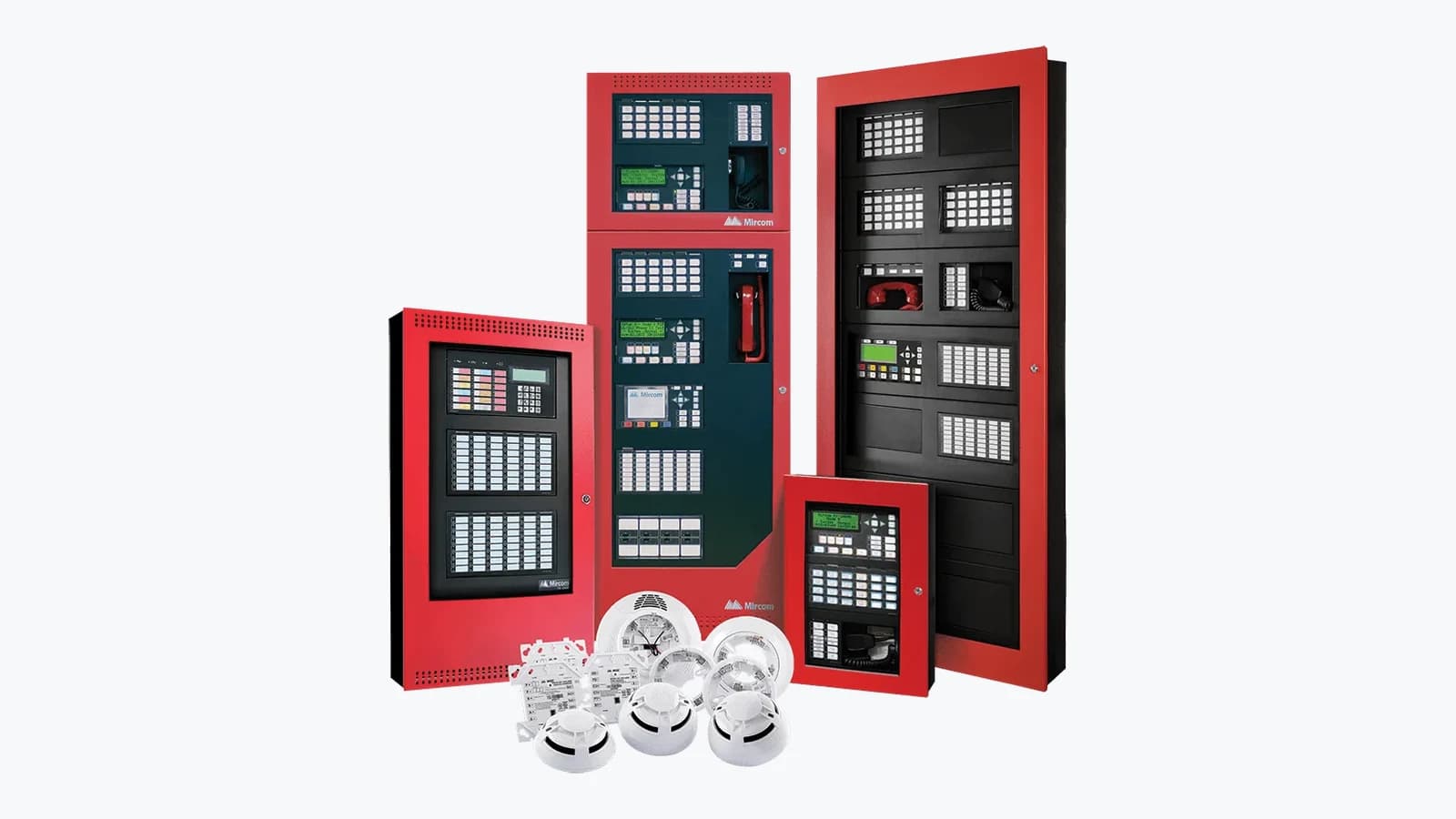
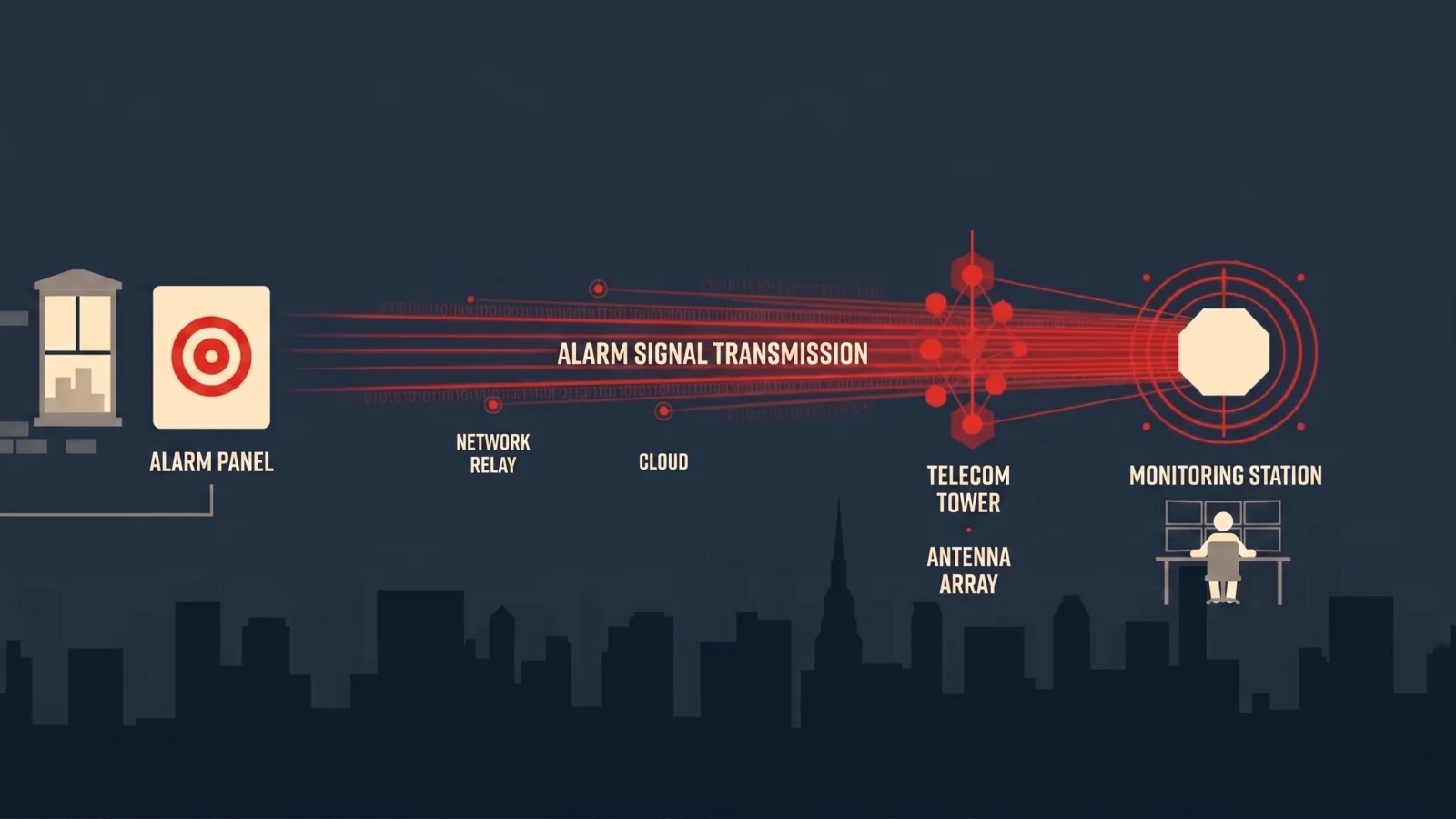
- Control Panels: The "brain" of your fire safety network. Control panels frequently suffer from backup battery degradation, ground faults, and software anomalies. A compromised panel cannot accurately process alerts or communicate with the local fire department.
If your system hasn’t been professionally evaluated from panel to pull station recently, hidden deficiencies may already exist in your building’s infrastructure.
Consequences of Ignoring Routine Maintenance
Life Safety Risks The primary function of your system is life preservation. A delayed response of even one minute—due to a faulty smoke detector—can allow a contained fire to spread exponentially, endangering everyone inside the facility.
Strict FDNY Implications & Violations The FDNY mandates strict adherence to the local fire code and NFPA 72 standards. Failing to produce up-to-date testing records or failing an on-site inspection results in immediate Notice of Violations (NOVs). These violations come with steep financial penalties and require costly, expedited repairs. In severe cases, the FDNY can issue a vacate order, shutting down your building entirely.
Financial and Insurance Impacts Beyond municipal fines, neglected fire systems drastically increase your liability. If a fire occurs and investigators determine your system was not properly maintained, your commercial property insurance provider may deny your claim. You could be held entirely financially responsible for structural damage and tenant lawsuits.
A professional inspection now can help prevent expensive emergency failures, violation fees, and operational shutdowns later.
Warning Signs to Watch For Between Inspections
While annual and semi-annual professional fire alarm inspections are legally required, building managers should monitor their systems year-round. Watch for these pre-inspection red flags:
- Beeping or Yellow Lights on the Control Panel: A healthy fire alarm control panel should display a solid green light indicating "Normal" operation. Any persistent beeping, flashing yellow lights, or "Trouble/Supervisory" readouts indicate a system fault that requires immediate professional diagnostics.
- Frequent False Alarms: If your building is experiencing unexplained alarm activations, your smoke detectors are likely contaminated, or there is a short in your wiring grid.
- Physical Damage: Visually inspect manual pull stations and notification devices in common areas. Any cracked casings, missing covers, or hanging wires are immediate compliance violations.
- Expired Battery Tags: Your control panel relies on backup batteries in the event of a power outage. If the dates written on these batteries are more than three to five years old, they are highly likely to fail under load.
Recognizing any of these symptoms? A prompt, low-friction professional evaluation can diagnose the root cause before the FDNY does.
How County Fire Solves Your Compliance Challenges
Navigating FDNY requirements and maintaining complex electronics shouldn't be a source of stress for property owners. At County Fire, we transform fire safety from a liability into a streamlined, reliable asset. Alarm inspection sits within the fire protection services we provide to NYC commercial buildings.
Our comprehensive approach ensures every component of your system is rigorously evaluated:
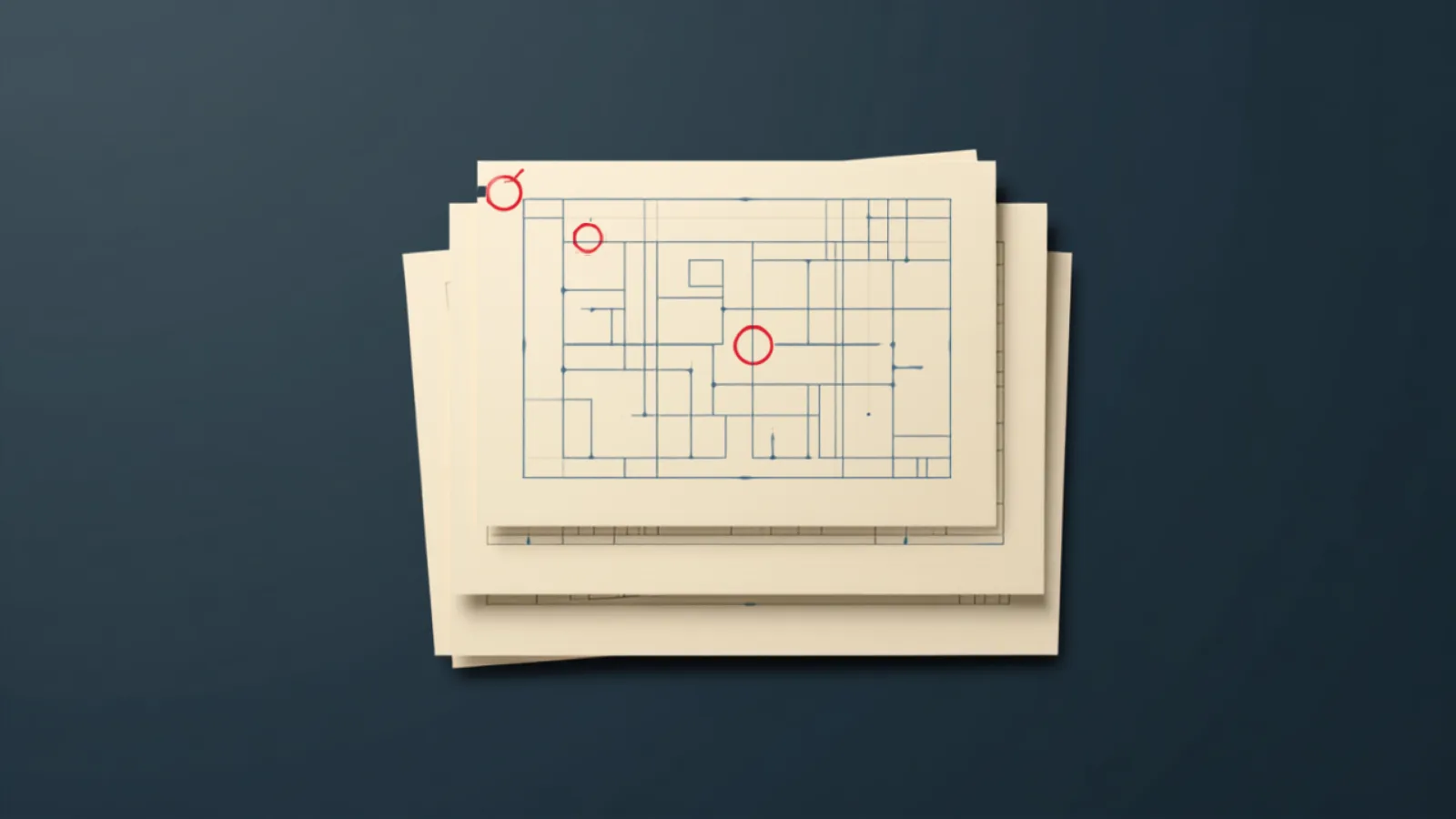
- Comprehensive Inspections: We conduct end-to-end evaluations of your entire infrastructure, ensuring total alignment with FDNY and NFPA requirements.
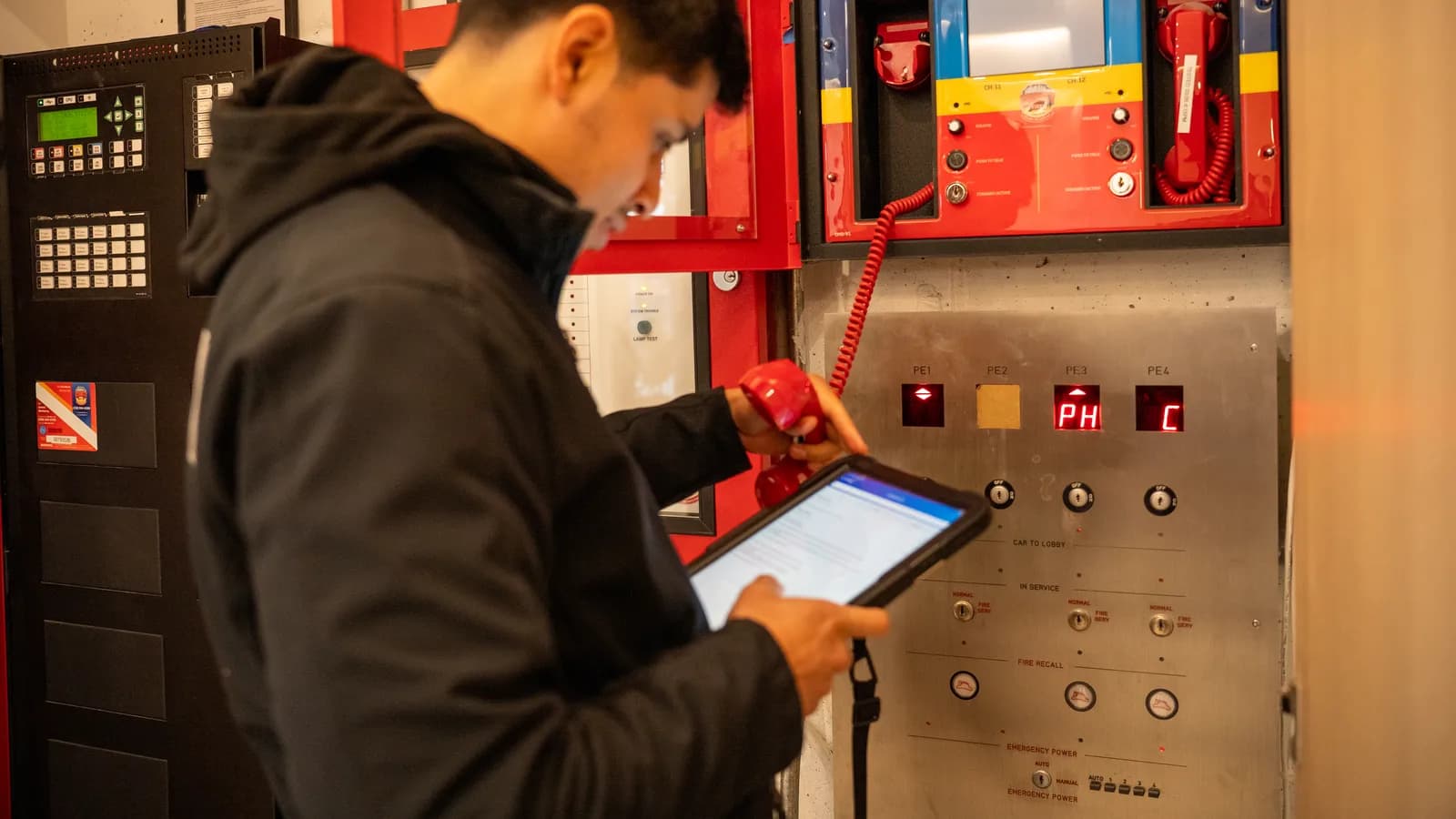
- Precision Testing: We physically test smoke detectors, pull stations, notification devices, and control panels to guarantee they respond instantly under emergency conditions.
- Preventative Maintenance: We clean sensing chambers, replace degrading backup batteries, and tighten electrical connections to drastically extend the lifespan of your system.
- Compliance Verification: We provide the meticulous, legally sound documentation and logbook updates you need to hand over confidently during an FDNY audit.
- Emergency Diagnostics & Repairs: If a system fault arises, our rapid-response technicians isolate and repair the issue to minimize your building's downtime.
By partnering with certified experts, you ensure your building transitions from a state of hopeful guessing to documented, inspection-ready compliance. You gain reduced liability risk, faster issue detection, and complete peace of mind.
Partnering with certified experts ensures your building is always protected, compliant, and prepared for any inspection.
Frequently Asked Questions (FAQ)
How often does the FDNY require commercial fire alarm inspections? While specific requirements depend on your building type and occupancy class, most commercial properties in the FDNY jurisdiction require comprehensive annual testing of the entire fire alarm system, with semi-annual or quarterly visual inspections and functional tests for specific components like batteries and elevators.
What happens if my commercial building fails an FDNY fire alarm inspection? Failing an inspection typically results in a Notice of Violation (NOV). You will be given a strict, short window to hire a certified fire protection company to correct the deficiencies. Failure to comply can lead to escalating fines, criminal summonses, or forced building closure.
Can my in-house maintenance staff test the fire alarm system? No. While your staff can and should perform daily visual checks of the control panel, formal testing and maintenance must be conducted by technicians who hold the proper FDNY Certificates of Fitness (such as an S-97 or S-98) and are associated with an approved fire alarm company.
-
Call Us: (888) 470-3473
-
Visit Us Online: countyfire.us