Commercial Fire Alarm System Cost in NYC: Choosing the Right Setup
Ask three contractors what a commercial fire alarm system costs and you may get three numbers that look like they came from three different planets. That is not always a sign that someone is overcharging. More often, each contractor is pricing a different setup, built on a different platform, for a building they have only half seen.
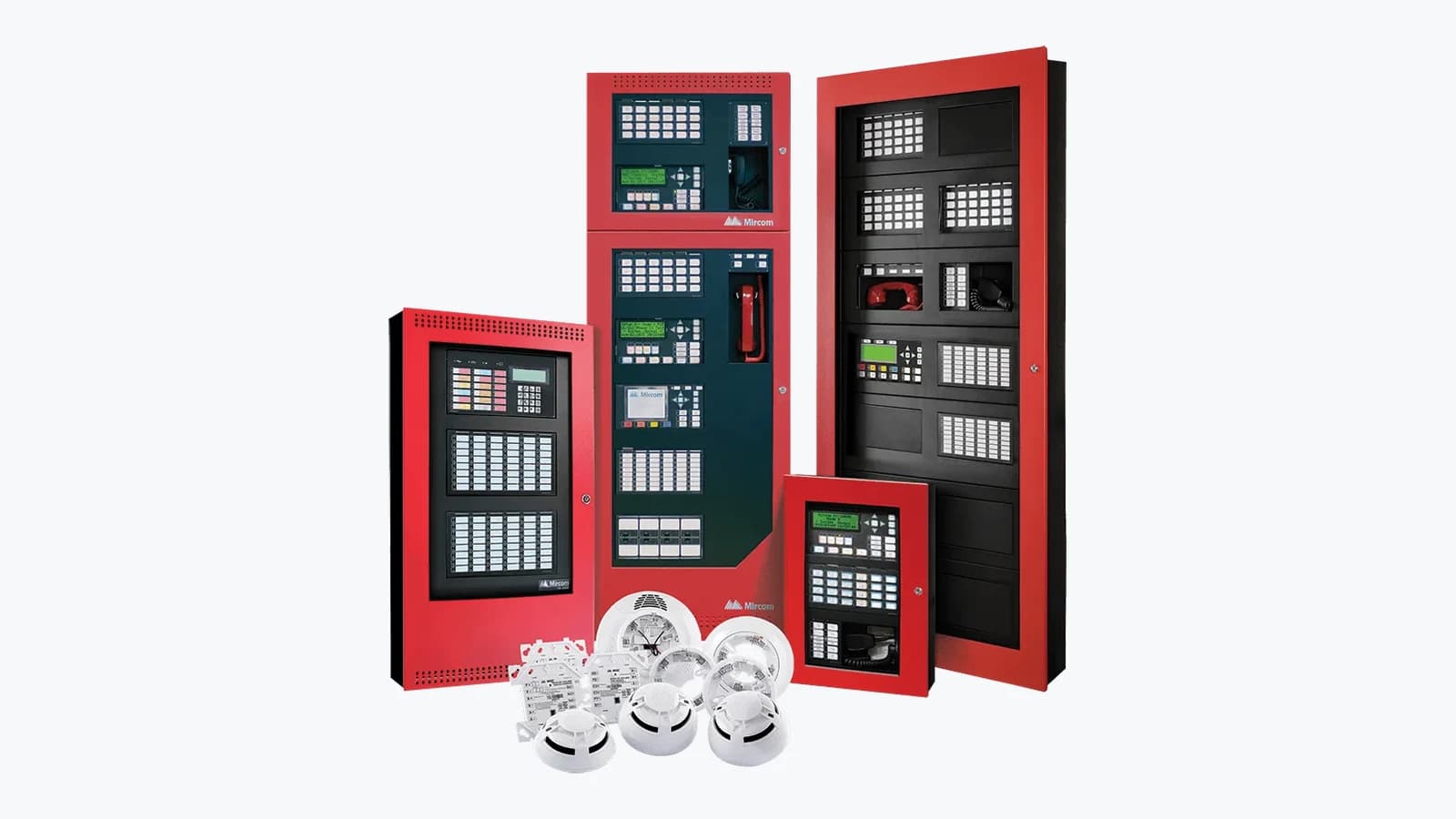
The biggest cost decision you will make is not the contractor's hourly rate. It is the setup itself: the type of system, the panel it runs on, and whether that panel can be maintained and expanded affordably for the next twenty years. This guide shows you how to match the setup to your building, and why, when a building is choosing fresh, we usually start with Mircom.
What Actually Sets the Price
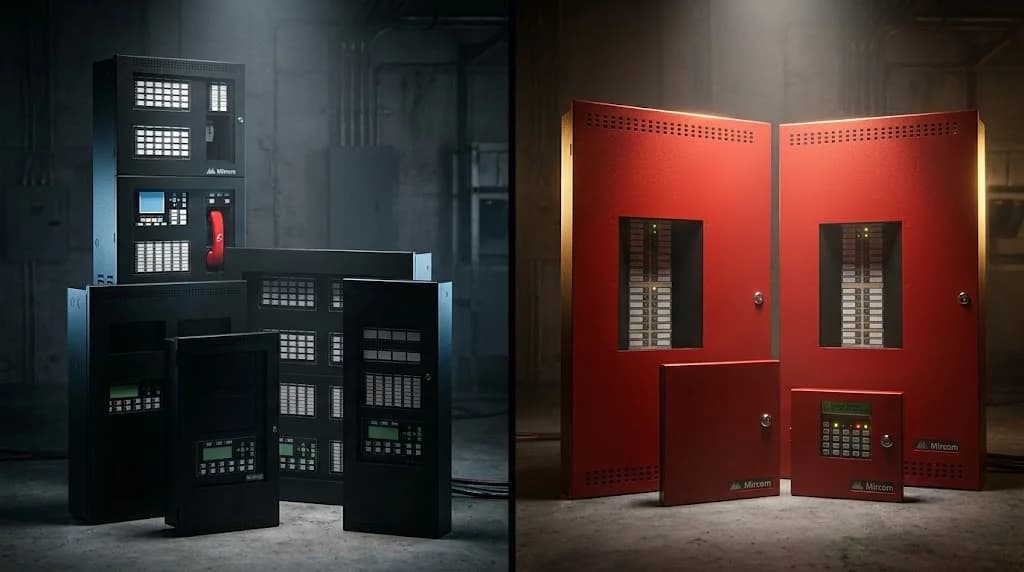
A fire alarm system is sized by the building, not by a catalog. The code decides how many smoke detectors, heat detectors, pull stations, horns, and strobes your space needs, and that count is driven by square footage and occupancy classification.
Six things move an installation quote more than anything else:
- Building size and device count. More rooms, floors, and occupants mean more devices, more wiring, and more labor.
- System type. Conventional, addressable, networked, and wireless systems each carry a different cost per device and a different panel cost.
- New construction or occupied retrofit. Running wire through open framing is quicker than working around tenants and finished ceilings.
- Filing complexity. A straightforward filing moves faster and costs less than one that needs amendments or coordination with other trades.
- What you can reuse. Existing conduit, wiring pathways, or compatible devices can bring the number down noticeably.
- Timeline. Compressed schedules and off-hours work in occupied buildings add labor cost.
Two of those six, system type and what you can reuse, are decided by the platform you choose. That is why the panel matters to your budget long after the installers have gone home.
Match the Technology to the Job
There are four broad kinds of setup, and each one fits a different kind of building.
Conventional systems divide the building into zones. When a detector trips, the panel tells you which zone is in alarm, not which device. They are simple and inexpensive to buy, which makes them a reasonable fit for a small space with a handful of devices. The trade-off is that every trouble call starts with a search.
Addressable systems give every device its own address. The panel tells you exactly which detector, on which floor, in which room. That costs more per device up front, but it makes inspections faster, false alarms easier to trace, and repairs cheaper for the life of the system. For most commercial buildings, it is the right baseline.
Networked addressable systems link several panels into one system, so a large or multi-building property is monitored and controlled as a whole. This is where voice evacuation, a fire command center, and integration with building management, elevators, and access control come in. It is the standard setup for NYC high-rises.
Wireless and hybrid systems use radio devices where running cable would be destructive or slow, such as landmark interiors, plaster ceilings, or occupied spaces that cannot close. They usually cost more per device, but they can save a great deal of labor and disruption.
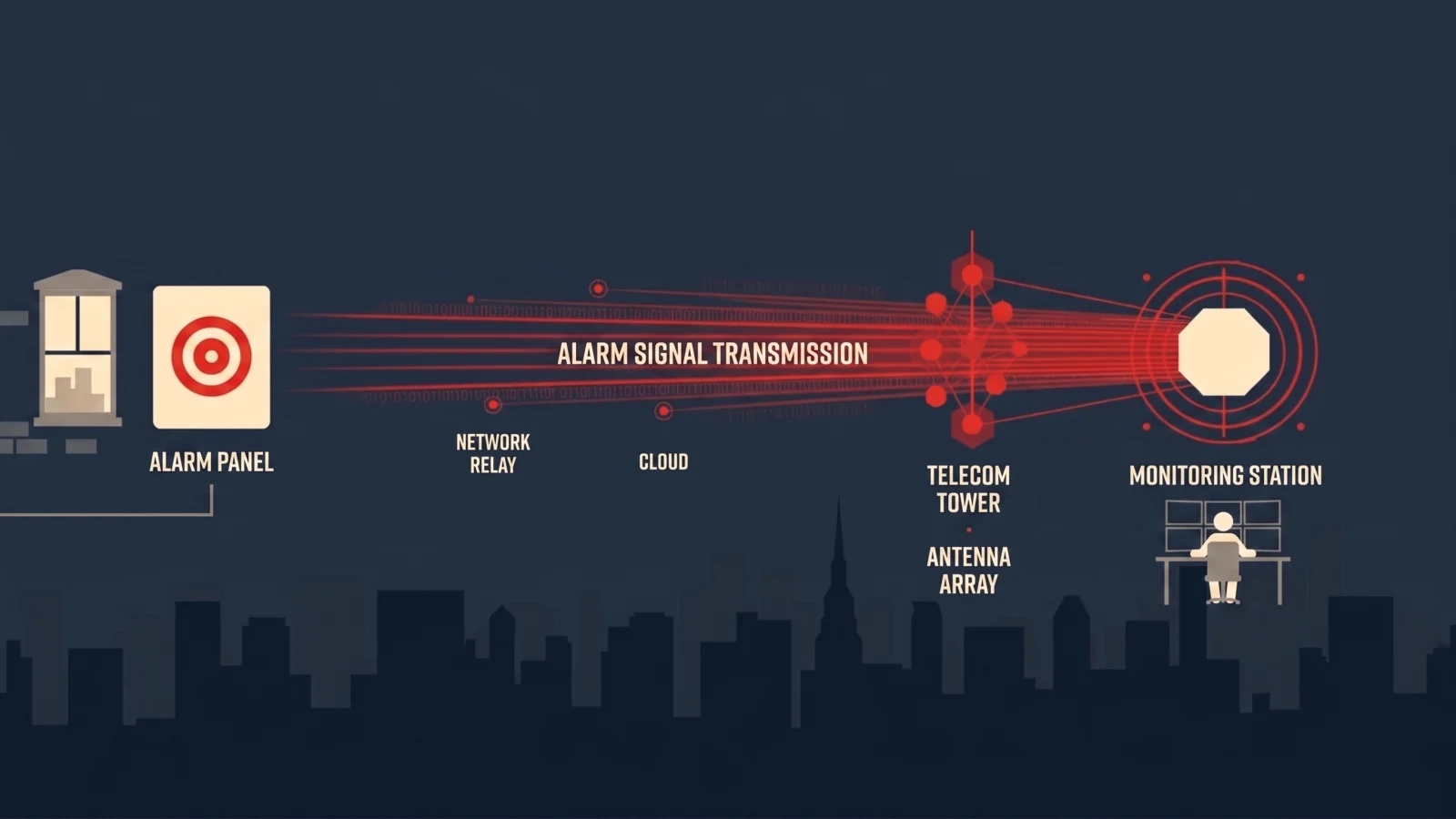
Whichever you choose, the system also needs a way to signal a central station. Our fire alarm monitoring page explains the communicator options.
Match the Setup to the Occupancy
Here is how those technologies usually map onto the buildings we work in. Your actual design depends on your occupancy classification and the code, so treat this as a starting point for the conversation, not a specification.
| Building type | Typical setup | Mircom platform we would look at | Other common platforms |
|---|---|---|---|
| Small retail, restaurant, or storefront | Conventional, or a small addressable panel | FA-300 conventional or FX-400 addressable | Silent Knight, smaller Notifier panels |
| Mid-size office or commercial floor | Addressable | FX-400, or FleX-Net FX-4000N if expansion is likely | Notifier, Simplex, Edwards |
| High-rise residential, mixed-use, or office | Networked addressable with voice evacuation | FleX-Net FX-4000N with integrated digital audio | Notifier, Simplex, Edwards EST |
| Hotel or multi-building campus | Networked addressable with voice and integration | FleX-Net FX-4000N network | Simplex, Edwards EST, Notifier |
| Healthcare or specialty occupancy | Engineered to the occupancy | Assessed per project | Assessed per project |
Notice the pattern. The smaller the building, the more the decision is about not overbuying. The bigger the building, the more it is about choosing a platform you will not regret in year fifteen.
Not sure which row your building falls into? Book a free site assessment. We will tell you which setup your occupancy actually requires and send a scoped, itemized design quote within 24 hours.
Why We Usually Start With Mircom
In the interest of full disclosure, County Fire is an authorized Mircom dealer. We also service Notifier, Simplex, Honeywell, Edwards EST, Silent Knight, and Gamewell-FCI, and we explain the differences between them in our fire alarm panel brands guide. But when a building is genuinely choosing a new system, Mircom is where we start, for three reasons.
Installed cost. Mircom's FleX-Net platform handles networked detection, voice evacuation, and building integration on one architecture. In our experience, it competes with the large engineered platforms on capability while typically coming in below them on installed cost. For a co-op or condo board weighing a full replacement, that gap is often what gets the project approved.
Spares and service. Mircom is an independent manufacturer whose whole business is life safety. Its parts are sold through established distribution channels rather than a single controlled path, which means a replacement board or detector can usually be sourced without waiting on one authorized supplier. That keeps repair times short and gives you more than one company able to bid your service work.
Long-term ownership. This is the reason that matters most over twenty years. When Mircom retired its FX-2000N networkable panel in the United States, it published a direct migration path to the FleX-Net FX-4000N, with upgrade kits, a firmware upgrade procedure, and support for reusing existing job files and panel configurations. A path like that means your next upgrade can be a planned improvement rather than a rip-and-replace.
Mircom also lists Central Park Tower in Manhattan among its intelligent fire alarm and voice evacuation projects, which says something about how the platform handles the city's most demanding buildings.
That does not mean every building should switch. If your building already runs Notifier or Simplex and the system is in good condition, staying in that ecosystem is often the cheaper and less disruptive choice. We will tell you that honestly.
Weighing a replacement? Ask us to compare your current platform against a Mircom design for your building. You will get both options, side by side, in one itemized quote.
One Check Before You Sign
Whatever brand you choose, the equipment going into a New York City building must carry a current FDNY Certificate of Approval for the specific model being installed. Approvals are model-specific and they expire, so ask your contractor for the certificate number and its expiration date before you sign. A good contractor will have it ready.
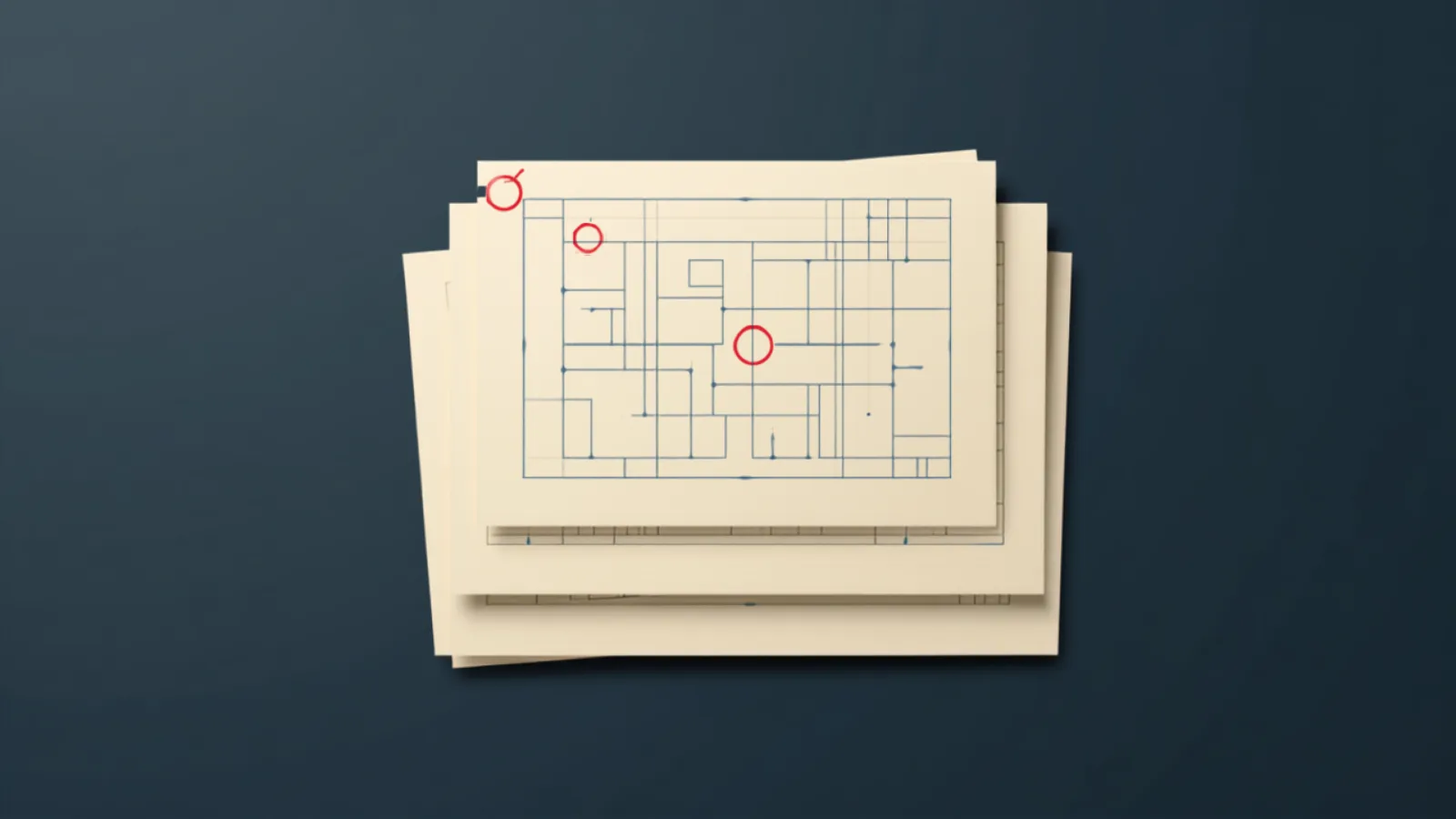
Then make sure the quote breaks out the costs that are easy to bundle and hard to compare: design and engineering, FDNY filing, installation, and acceptance testing. Our guide to the FDNY fire alarm approval process explains what each step involves, and why fire alarm plans get rejected covers the design mistakes that add weeks and cost.
Frequently Asked Questions (FAQ)
What is the cheapest fire alarm system for a commercial building?
For a very small space, a conventional system usually has the lowest purchase price. For most commercial buildings, though, an addressable system costs less over its lifetime because inspections are faster and faults are found without searching. The cheapest system is the one sized correctly for your occupancy, on a platform you can maintain affordably.
Is Mircom as good as Notifier or Simplex?
For the buildings we work in most, yes. Mircom's FleX-Net platform supports networked addressable detection, voice evacuation, and building integration, the same core capabilities as the large engineered platforms. Where Mircom usually wins is installed cost, parts availability, and a published upgrade path. If your building already runs Notifier or Simplex in good condition, staying with it is often the sensible choice.
Do fire alarm panels need FDNY approval in NYC?
Yes. Fire alarm equipment installed in New York City must carry a current FDNY Certificate of Approval for the specific model. Approvals expire and are tied to the model, so ask your contractor for the certificate number and expiration date before you sign.
Should a small business choose a conventional or an addressable system?
If the space is small, simple, and unlikely to change, a conventional system can be enough. If you expect to expand, share a building with other tenants, or want faster troubleshooting, a small addressable panel is usually worth the extra cost per device.
Can I keep my existing devices when I replace the panel?
Sometimes. It depends on whether your existing detectors and modules are listed as compatible with the new panel. Manufacturers publish device compatibility guides, and checking them during design can save significant money on a replacement.
The right fire alarm setup keeps your costs under control for years, and the wrong one keeps costing you long after installation. County Fire designs, files, and installs commercial fire alarm systems across all five NYC boroughs, on Mircom and every other major platform. Call (888) 470-3473 or visit our fire alarm design and installation page to book your free site assessment and get an itemized design quote.