Commercial Fire Alarm Troubleshooting: How Small Malfunctions Lead to Costly Compliance Failures
The Alarm System Problem You Can’t Afford to Ignore
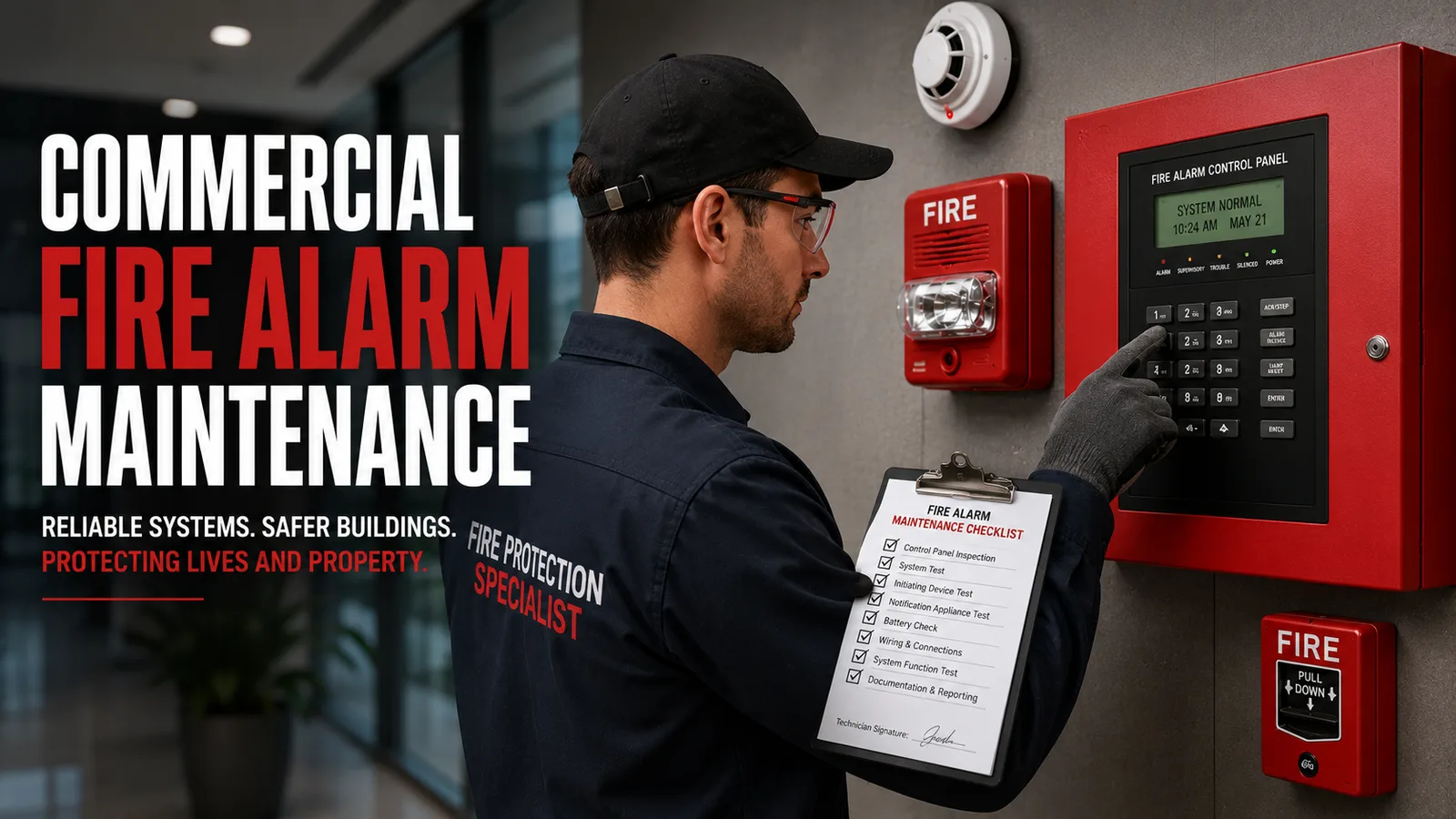
In a busy commercial facility, operational demands constantly compete for your attention. Amidst managing tenant requests, utility costs, and general building maintenance, a minor issue with your fire alarm system can easily slide down your priority list.
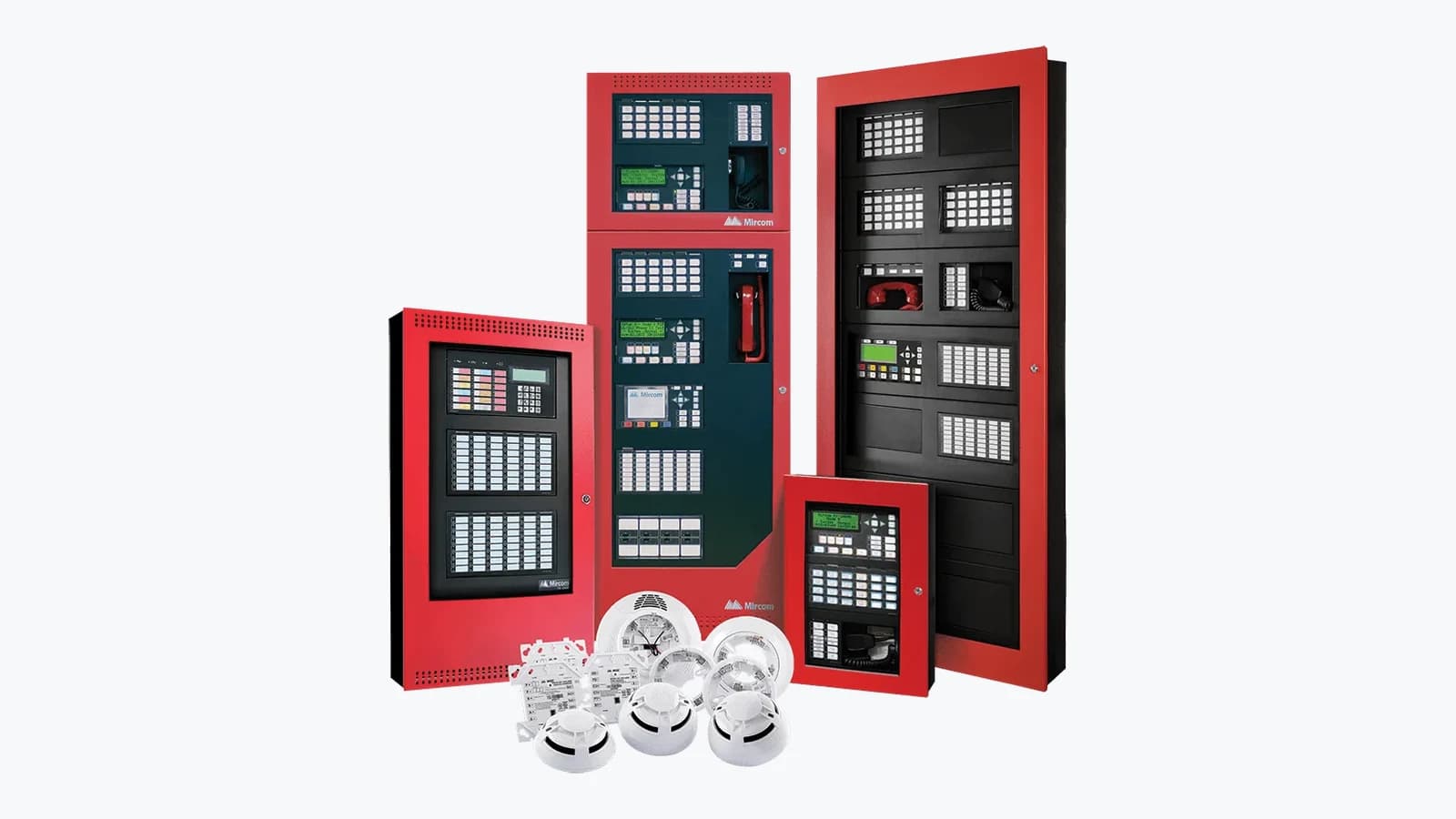
However, a malfunctioning fire alarm system is a severe compliance and safety risk. Commercial systems are designed with built-in diagnostic capabilities.
When a component fails—whether it is a smoke detector reaching the end of its operational life or a backup battery losing its charge—the main control panel registers a "Trouble" or "Supervisory" state.
These alerts are not merely informational; they indicate that a portion of your life safety network is no longer functioning as designed. If a fire breaks out in a zone serviced by a faulty detector, the delay in detection can mean the difference between a minor localized incident and a catastrophic, total-loss event.
Many property owners don’t realize these warning signs until a failed inspection or emergency exposes them. Understanding your system's baseline health is the first step in maintaining a secure building.
Why Technical & Operational Failures Occur
To effectively prevent system downtime, it is important to understand why these systems fail in the first place. Commercial fire alarm networks operate under demanding conditions, and several common technical vulnerabilities tend to emerge over time:
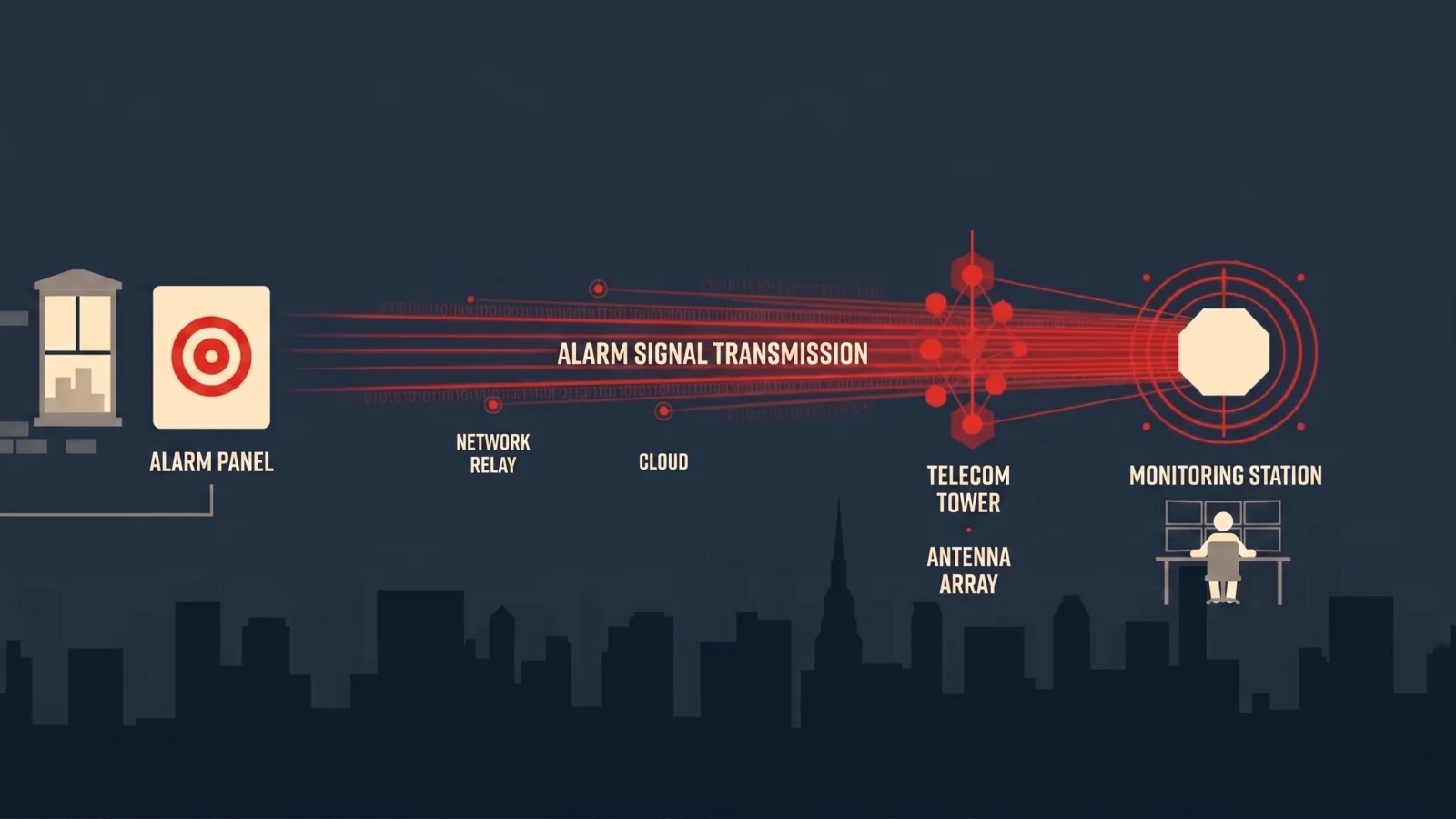
Backup Battery Degradation: Fire alarm panels rely on secondary power supplies (typically sealed lead-acid batteries) to keep the system online during power outages. These batteries have a finite lifespan of three to five years. As they degrade, they lose their ability to hold a charge, triggering low-battery trouble signals on your panel. Field Detector Contamination: Smoke detectors, heat sensors, and duct detectors are continuously exposed to the building's ambient air. Over time, dust, airborne grease, and construction debris accumulate inside the sensing chambers. This contamination leads to two equally dangerous outcomes: frequent false alarms that disrupt business operations, or desensitized sensors that fail to detect actual smoke. Wiring and SLC Loop Failures: The Signaling Line Circuit (SLC) is the communication highway connecting your control panel to every individual device in the building. Ground faults, moisture intrusion, wire degradation, or improper installation can disrupt this loop, disabling entire zones of your building. Communication Failures: Your fire alarm must communicate with a central monitoring station to dispatch emergency services automatically. Traditional copper phone lines (POTS) are rapidly being decommissioned by telecommunication carriers, leading to frequent line faults. Even modern cellular and IP communicators can suffer from signal drops, firmware mismatches, or hardware failures, cutting off your building’s direct link to emergency responders.
If your system hasn’t been professionally evaluated recently, hidden deficiencies may already exist. A proactive assessment can identify these quiet points of failure before they escalate.
The Multi-Layered Consequences of System Neglect
Ignoring a minor trouble light on your panel is a gamble with compounding stakes. The consequences of system neglect extend far beyond the immediate threat of fire:
- Safety and Life Risks: The primary function of a fire alarm is to save lives. Delayed detection reduces evacuation times, putting tenants, employees, and emergency responders in immediate danger.
- Strict Regulatory and Municipal Penalties: Local municipalities, including strict jurisdictions like the FDNY, enforce rigid fire safety codes based on NFPA standards. Code violations can result in civil penalties under the applicable schedule, mandatory "fire watches" (which require hiring dedicated personnel to patrol the property continuously), or even a temporary building closure (Order to Vacate).
- Voided Insurance Coverages: Commercial property insurance policies typically require buildings to maintain functional, code-compliant fire protection systems. If a fire occurs in a building with a known, unresolved fire alarm malfunction, your insurer may deny your claim, leaving you liable for millions of dollars in damages.
- Operational Disruption: Chronic false alarms disrupt business operations, erode tenant trust, and strain relationship with local fire departments, who may assess hefty fees for responding to repeated false dispatches.
Potential Consequences
A professional inspection now can help prevent expensive emergency failures later. Taking action early safeguards your assets, keeps your tenants secure, and protects your bottom line.
Warning Signs Every Property Owner Must Monitor
You do not need to be a certified fire protection engineer to spot the early warning signs of an unhealthy fire alarm system. Watch for these key indicators:
- Frequent Beeping or "Trouble" Lights: Any yellow light on your main panel indicates an active system fault that requires professional attention.
- Age of the System: If your fire alarm system is more than 10 to 15 years old, replacement parts are harder to source, and the internal components are nearing the end of their reliable operational life.
- Recent Renovations or Building Layout Changes: Modifying walls, ceilings, or HVAC systems can obstruct existing detectors or leave newly created spaces entirely unprotected, requiring a system recalibration.
- Spontaneous False Alarms: If your alarms trigger without the presence of smoke or heat, your sensors are likely heavily contaminated or experiencing electrical faults.
Unsure about the current status of your fire alarm panel? Schedule a low-stress, professional diagnostic review to gain full clarity on your system's health.
How County Fire Restores Safety, Compliance, and Peace of Mind
At County Fire, we specialize in taking the stress out of commercial fire safety. We understand that your priority is running your business, not decoding fire alarm panel fault logs. Our team of certified technicians provides comprehensive, end-to-end fire alarm services — from fire alarm inspection and testing through emergency repair — designed to keep your building fully protected and compliant with all local and national standards. Alarm work is one part of our wider fire protection services, which also cover sprinkler, extinguisher, and ARCS/BDA systems.
Our professional service suite includes:
- Certified Inspections & Testing: Routine, code-compliant testing to satisfy local fire marshals, insurance providers, and NFPA 72 requirements.
- Preventative Maintenance: Proactive cleaning of sensors, battery testing, and firmware updates to prevent system downtime.
- Rapid Repair & Troubleshooting: Fast, accurate diagnostics and repairs to resolve trouble signals, ground faults, and communication errors.
- Compliance Verification: Ensuring all documentation and system configurations meet local municipal codes, preventing unexpected fines.
- Emergency Services: Round-the-clock diagnostic and repair capabilities to restore protection to your facility when it matters most.
By partnering with County Fire, you reduce your liability, prevent expensive emergency repair bills, and gain the peace of mind that comes with a certified, reliable fire safety system.
From routine testing to complex emergency repairs, the County Fire team is ready to ensure your building remains fully compliant and safe. Discover how simple commercial fire protection can be with the right partner.
Frequently Asked Questions (FAQ)
What does a trouble signal on my fire alarm panel actually mean?
A trouble signal means the panel has detected a fault in its own wiring, power supply, or circuitry — not a fire. The usual causes are a failing backup battery, a break in an initiating-device circuit, or a ground fault. It needs to be investigated and cleared, because a panel sitting in trouble may not reliably transmit an alarm when one occurs.
Can I silence the trouble buzzer and deal with the fault later?
Silencing the buzzer quiets the panel but does nothing to the underlying fault. The system may remain impaired, and an impaired system is a compliance problem as well as a safety one. Log the event and get the cause corrected rather than letting a silenced panel give a false sense of normality.
How quickly do fire alarm faults need to be repaired?
Urgency depends on what the fault impairs. Anything that degrades detection or occupant notification should be treated as immediate, with a fire watch in place if the system cannot be restored quickly. Minor supervisory faults still need correction and documentation, because inspectors review the panel history as well as its current state.
- Call Us: (888) 470-3473
- Visit Us Online: countyfire.us