What to Expect During an FDNY Commercial Property Inspection (And How to Pass)
Imagine this scenario: It’s a busy Tuesday morning, the lobby of your commercial building is buzzing with tenants, and an FDNY inspector walks through the front doors. They ask to speak with the owner, property manager, or responsible representative. Your pulse quickens. Are your emergency lights functioning? When were the fire extinguishers last tagged? Are the stairwells completely clear?
For commercial property owners in New York, an FDNY inspection is an inevitable reality of doing business. While the primary goal of these inspections is to ensure life safety and protect property, the process can be incredibly stressful if your building isn't continuously prepared.
Knowing exactly what happens from start to finish—and what the FDNY is looking for—is the key to turning a potentially costly operational disruption into a smooth, passing grade.
The Problem – The Reality of the Walkthrough
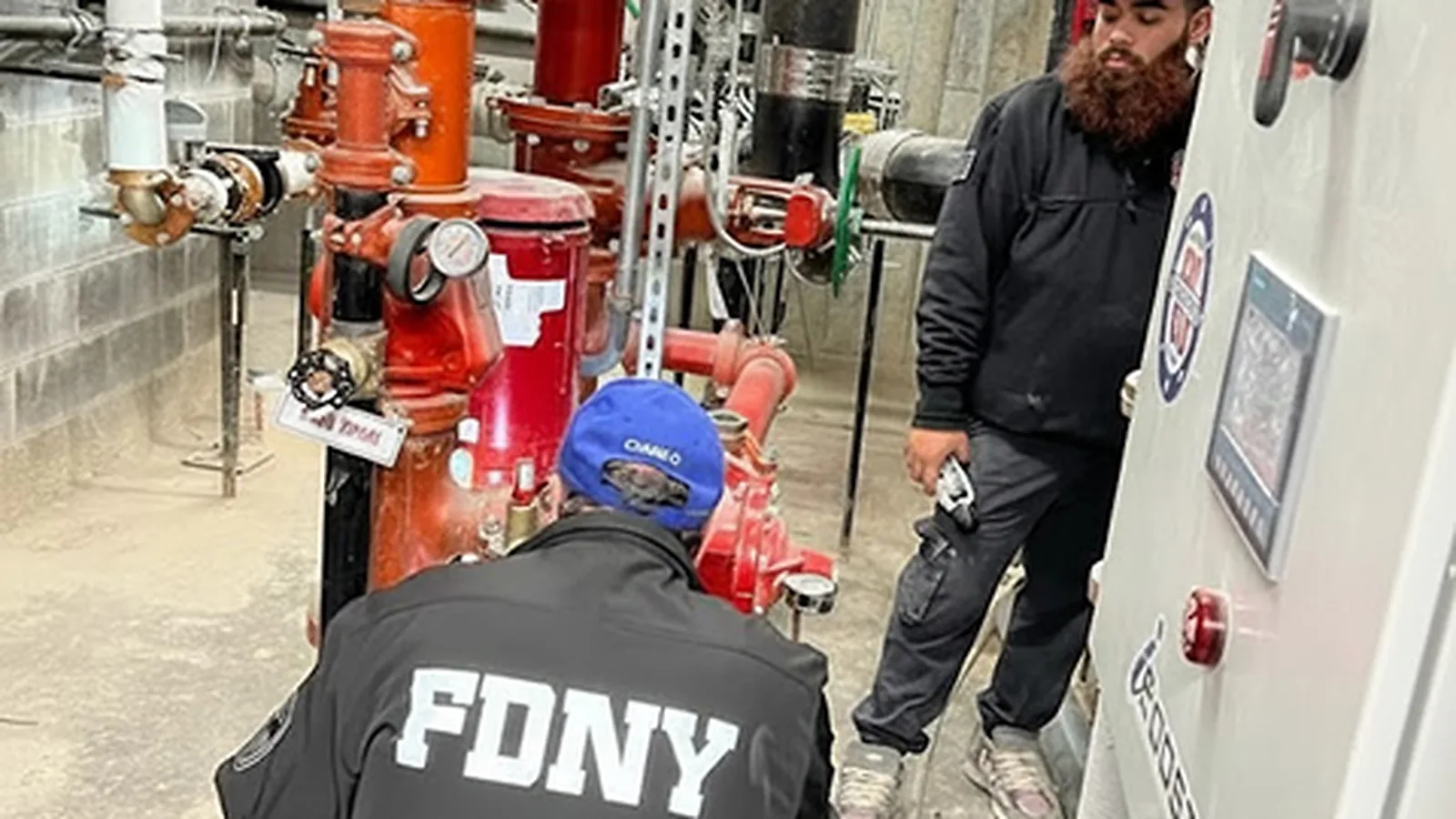
The moment an FDNY inspector arrives and checks in, the official walkthrough begins. They aren't just taking a casual stroll through your hallways; they are conducting a meticulous audit of your building's life safety ecosystem.
Inspectors are systematically evaluating your property against stringent NYC fire codes. They are examining a wide array of systems, including:
- Fire Extinguishers: Proper placement, pressurization, and up-to-date inspection tags.
- Exit Signs & Emergency Lighting: Visibility, illumination, and battery backup functionality.
- Electrical Hazards: Exposed wiring, overloaded outlets, or improper use of extension cords.
- Storage Conditions: Combustible materials stored too close to ceilings or heat sources.
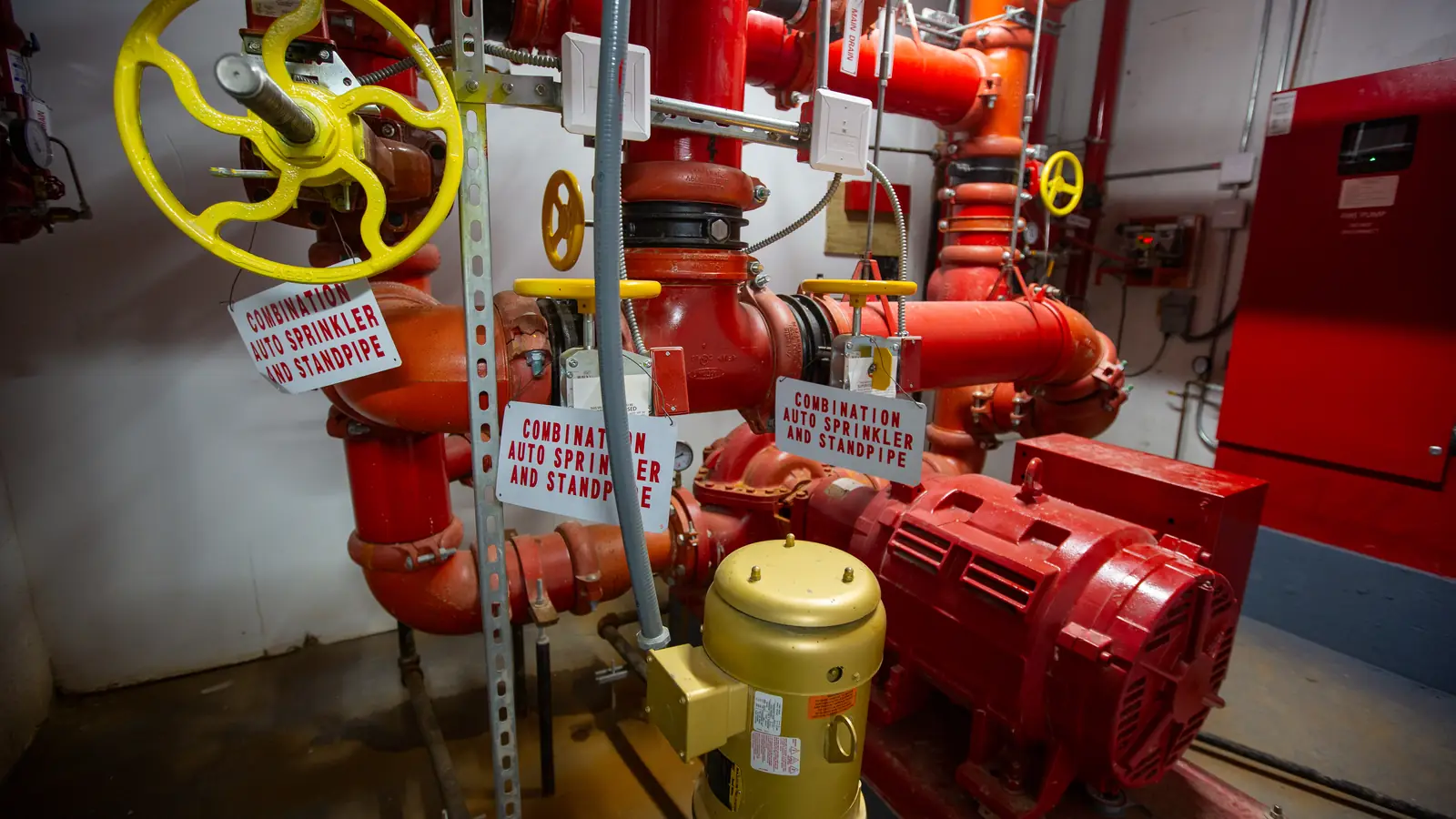
- Sprinkler Systems: Unobstructed sprinkler heads, proper water pressure, and recent testing documentation.
- Fire Alarms: Fully operational panels without active trouble signals.
- Means of Egress: Hallways, stairwells, and exit doors that are 100% free of obstructions.
If the inspector finds a discrepancy in any of these areas, they will document the issue on the spot.
Many property owners don't realize these warning signs exist until a failed inspection or a sudden emergency exposes them.
Why This Happens – The Anatomy of a Failed Inspection
Consequences of Ignoring It – The True Cost of Violations
Once the walkthrough is complete, the inspector reviews their findings and prepares the official inspection results. There are generally two outcomes:
- Pass: No significant violations were found. Your building is deemed safe.
- Violations Issued: Specific fire safety issues must be corrected within a strict, mandated timeframe.
Receiving an official Notice of Violation (NOV) from the FDNY is far more than just a slap on the wrist. The consequences ripple across your entire operation.
- Financial Impact: Violations carry civil penalties under the applicable schedule, and a repeat citation in the same category carries a higher amount if the issue isn't resolved by the deadline.
- Operational Disruption: In severe cases where a life-safety hazard is imminent (such as a compromised sprinkler system or blocked egress), the FDNY has the authority to issue a vacate order, forcing you to shut down building operations entirely.
- Insurance Implications: Commercial property insurance carriers require strict code compliance. Failing an inspection can trigger massive premium hikes or even policy cancellation.
- Compliance Exposure: Once you have a violation on record, your property will be subjected to follow-up inspections, keeping you under a microscope until full compliance is proven.
Addressing these vulnerabilities proactively is always less expensive than reacting to a penalty. A professional inspection now can help prevent expensive emergency failures and legal headaches later.
Warning Signs to Watch For Before the Inspector Arrives
You don't have to wait for the FDNY to tell you something is wrong. By conducting your own visual audits, you can catch the most common red flags before they turn into violations. Keep an eye out for:
- Flickering or Dim Exit Signs: This indicates a failing bulb or a dying backup battery.
- Expired Extinguisher Tags: Every extinguisher must have a current, punched tag from a certified professional.
- Beeping Fire Alarm Panels: A panel showing a yellow "trouble" light or emitting a periodic beep means the system requires immediate technical service.
- Blocked Egress Paths: Even temporary storage of cleaning supplies or deliveries in stairwells is a major violation.
- Painted Sprinkler Heads: During renovations, painters often accidentally paint over sprinkler heads, rendering them inoperable and non-compliant.
If you spot any of these issues while walking your property, it is time to take immediate action. A quick professional diagnostic can identify exactly what needs to be fixed to bring your building back up to code, eliminating the guesswork.
How County Fire Solves it
The faster you address potential fire safety issues, the smoother your FDNY compliance process will be. But you shouldn't have to navigate the complexities of FDNY codes alone.
County Fire partners with commercial property owners to take the stress and uncertainty out of fire safety. We help businesses identify and resolve potential violations before inspection day arrives. Our comprehensive approach positions your building for a passing grade, every time. It draws on the fire protection services we provide across alarm, sprinkler, and extinguisher systems.
We provide end-to-end fire safety solutions, including:
- Pre-Inspection Audits: We conduct rigorous walkthroughs that mirror the FDNY's own procedures, catching minor issues before they become major fines.
- Testing and Maintenance: From emergency lighting drop-tests to fire alarm sensitivity testing, we keep your systems functioning flawlessly.
- Violation Corrections: If you have already received a violation, we expedite the repair and compliance verification process to satisfy the FDNY and clear your record.
- Emergency Diagnostics & Repairs: Our certified technicians are available to troubleshoot and resolve critical system failures quickly.
By partnering with County Fire, you achieve reduced liability risk, faster issue detection, complete inspection readiness, and ultimate peace of mind.
If you want to ensure your property is protected and fully compliant, connecting with a dedicated fire safety partner is the most reliable strategy you can implement.
Frequently Asked Questions (FAQ)
How long does an FDNY commercial inspection take?
It depends on the size of the building, how many systems are in play, and how quickly documentation can be produced. A well-prepared small commercial property is often walked in a few hours, while larger buildings with multiple systems take considerably longer.
Who should be present during the inspection?
Someone who can unlock equipment rooms, produce records, and answer questions about the systems — normally the building manager or superintendent. Delays caused by an inaccessible sprinkler or alarm room are common and entirely avoidable.
What happens if the inspector finds a deficiency?
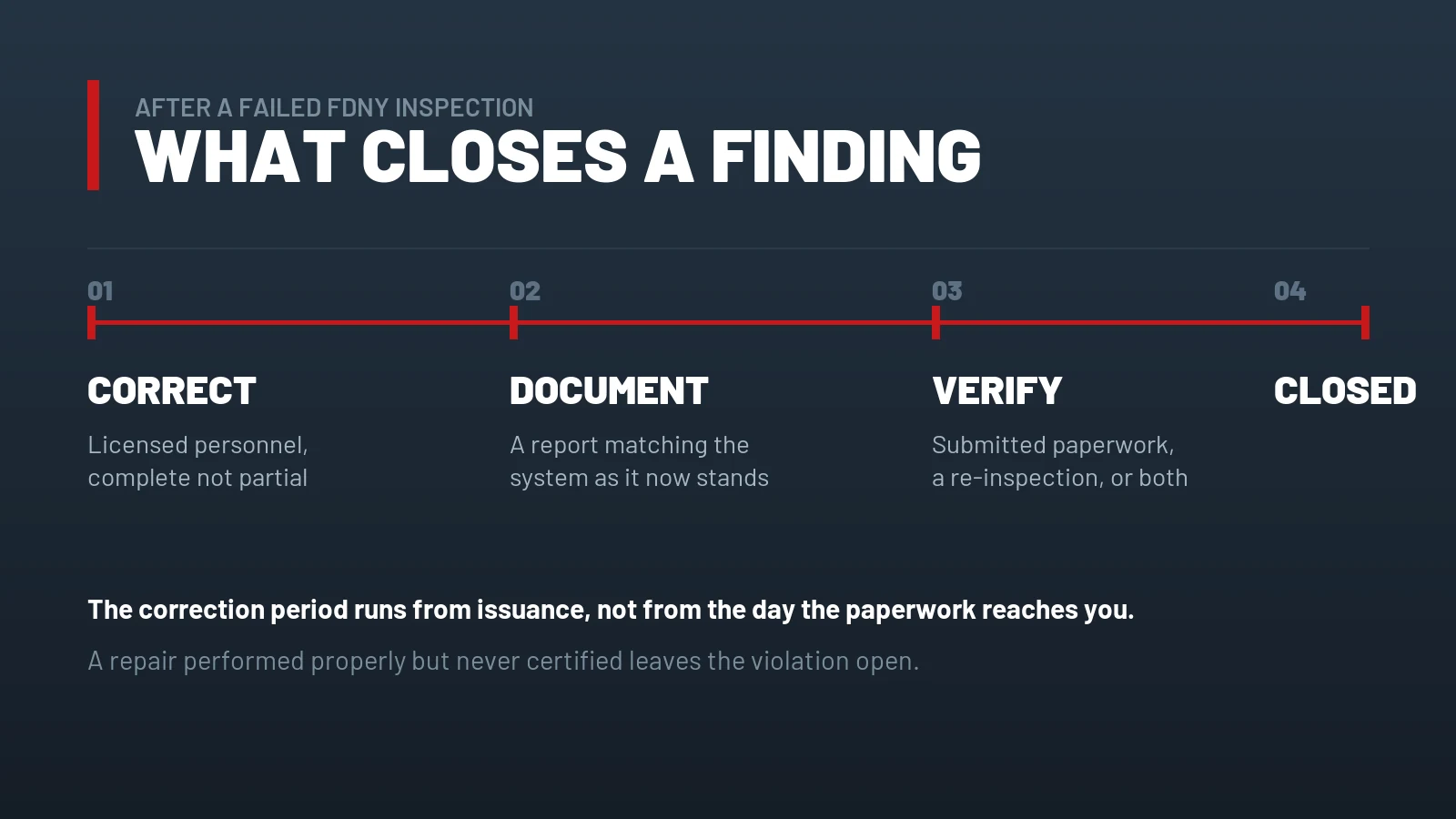
The finding is documented with a deadline for correction. Fixing it and supplying the required proof before that date is what closes it; leaving it unaddressed leads to escalation and another inspection.
- Call Us: (888) 470-3473
- Visit Us Online: countyfire.us