FDNY Fire Alarm Approval Process Explained: What Building Owners Should Know
If you've ever worked on a building project in New York City, you already know that nothing moves forward without the FDNY's stamp of approval, especially when it comes to fire alarm systems. But for many developers, contractors, and property owners, the FDNY fire alarm approval process can feel like a maze of paperwork, reviews, and inspections.
What to Expect in the Fire Alarm Approval Process and How to Make It Smoother
-
When a new building or renovation requires a fire alarm system, the process starts with design and submittal. A licensed fire alarm contractor (like County Fire) prepares detailed drawings, risers, and equipment specs that show how the system will meet FDNY and NFPA 72 standards. These plans must be filed with the FDNY Bureau of Fire Prevention for review.
-
Next comes the FDNY Plan Examination phase. During this stage, an FDNY plan examiner carefully checks every element of your submission, wiring, device placement, power sources, monitoring, and even annunciator locations, to make sure the design complies with NYC Fire Code and all local amendments. If they find errors or missing details, the plans are "disapproved," and you'll need to revise and resubmit. This is where many projects get delayed.
-
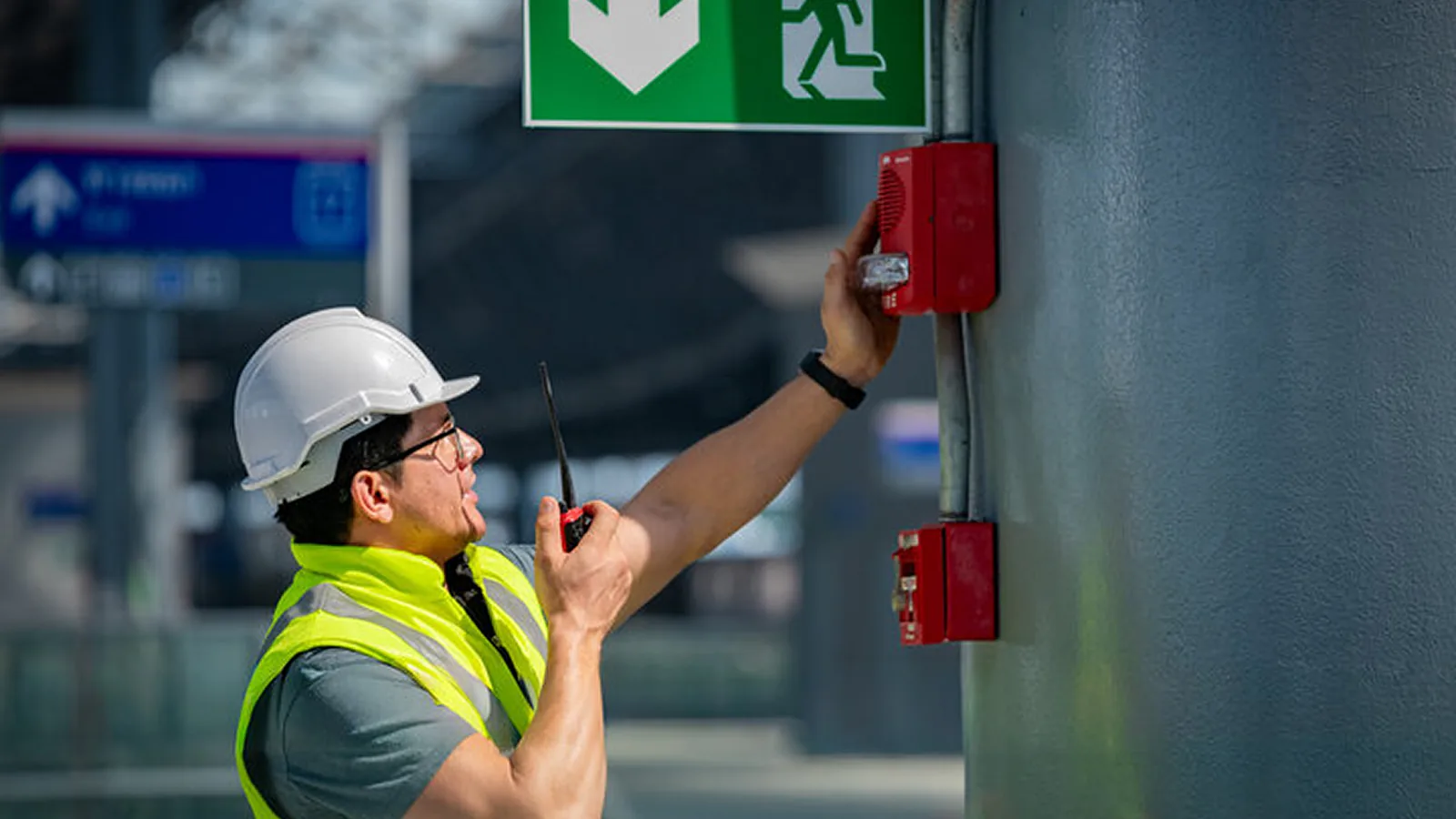
Once the plans are approved, you can move forward with installation. After the system is installed, your fire alarm contractor schedules an FDNY inspection and acceptance test. During this inspection, FDNY representatives physically test the system, pulling alarms, checking smoke detectors, and confirming that signals reach the central monitoring station. If everything passes, you'll receive your FDNY Letter of Approval (LOA).
Now, here's the reality:
This process can take time, especially if submissions aren't perfectly compliant or if paperwork is incomplete. That's why working with an experienced, FDNY-licensed fire alarm company is key. At County Fire, we handle every step, from initial design and filing to corrections, testing, and final approval, to help you get your LOA as quickly and smoothly as possible.
We've worked with developers and building managers across all five boroughs — Manhattan, Brooklyn, Queens, the Bronx, and Staten Island — and we know how to navigate FDNY's review system efficiently.
The goal is simple:
Get you approved the first time, avoid costly delays, and ensure your building is 100% code-compliant.
Where Approvals Actually Stall
Very few projects are stopped by something dramatic. They are stopped by details that were decided early, went unquestioned, and only surface once an examiner reads the drawings.
The most common one is a submission that does not match the building as it will exist. Drawings prepared against an earlier floor plan, a device count that no longer reflects a demised space, an occupancy classification carried over from a previous filing — an examiner comparing the alarm drawings against the architectural set will find the discrepancy, and the plans come back disapproved for a reason that has nothing to do with fire alarm engineering.
Incomplete riser and battery calculations are a close second. The riser has to show the system as a whole, not just the devices on a typical floor, and the standby power calculation has to demonstrate that the batteries carry the system for the required period and still drive the notification appliances in alarm. Calculations that are missing, unsigned, or based on a device count that changed during design are a predictable correction.
Then there is sequencing. A building that installs before approval is betting that no comment will come back, and comments frequently do. Rework on an installed system is far more expensive than a revision on paper, and it pushes the acceptance test past the date the project actually needed it.
Timing matters at the end as well. The system has to be genuinely complete before the acceptance test is requested — permanent power at the panel, no outstanding trouble or supervisory conditions, and the monitoring connection live with an approved central station. Arriving at a scheduled test with any of those unfinished burns the appointment, and appointments are not quick to replace.
What the Letter of Approval Does and Does Not Cover
The LOA clears the system as it was designed, filed, and tested on that date. It is the document that closes out the filing, and it is what a lender, an insurer, or a buyer will ask to see.
What it does not do is carry forward through later changes. A tenant fit-out that relocates devices, a demising wall that changes coverage, a panel replacement, or an added notification zone all touch the approved design. Work of that kind generally needs its own filing and its own sign-off, and a building that treats the original LOA as permanent cover tends to discover the gap during an inspection rather than on its own schedule.
Nor does approval displace ongoing obligations. Once the system is in service it moves into the periodic inspection and testing cycle, with records kept on site. An approved system with no test records behind it is still an FDNY compliance problem.
Frequently Asked Questions (FAQ)
How long does FDNY fire alarm approval take?
There is no fixed timeline, because the clock is driven by how many rounds of correction a submission goes through rather than by the review itself. A complete, coordinated filing that clears plan examination on the first pass moves considerably faster than one that comes back disapproved twice. The stages that follow — installation and scheduling the acceptance test — add their own time on top of the review.
What happens if the FDNY disapproves my fire alarm plans?
Disapproval is not a rejection of the project. The examiner issues objections identifying what is missing or non-compliant, and the filing is revised and resubmitted to address them. The practical cost is schedule: each round adds time, which is why coordinating the alarm drawings against the current architectural and electrical sets before the first submission is worth the effort.
Can I install the fire alarm system before the plans are approved?
Installing ahead of approval is a risk you take on yourself. If plan examination returns comments that change device placement, circuiting, or coverage, the corrections have to be made in installed work rather than on paper, at significantly higher cost. On most projects it is cheaper to hold installation until the plans clear.
Who can file fire alarm plans with the FDNY?
Filings must come from appropriately licensed and qualified parties, not from the owner directly. In practice, ownership engages a licensed fire alarm contractor and design professional who prepare the drawings, risers, and calculations, file with the Bureau of Fire Prevention, respond to objections, and carry the project through the acceptance test. Our fire alarm design and installation page covers the scope in more detail.
Does the Letter of Approval expire?
The LOA reflects the system that was approved and tested. It does not lapse on a date, but it stops describing your building the moment the system is modified — a fit-out, a panel swap, an added zone. Changes of that kind require their own filing, and the system remains subject to periodic inspection and testing regardless.
Need FDNY Fire Alarm Approval Fast?
County Fire simplifies the process from start to finish, and handles the installation and testing that follow approval as part of our fire protection services in NYC. Call (888) 470-3473 or email info@countyfire.us to get expert help on your next project.