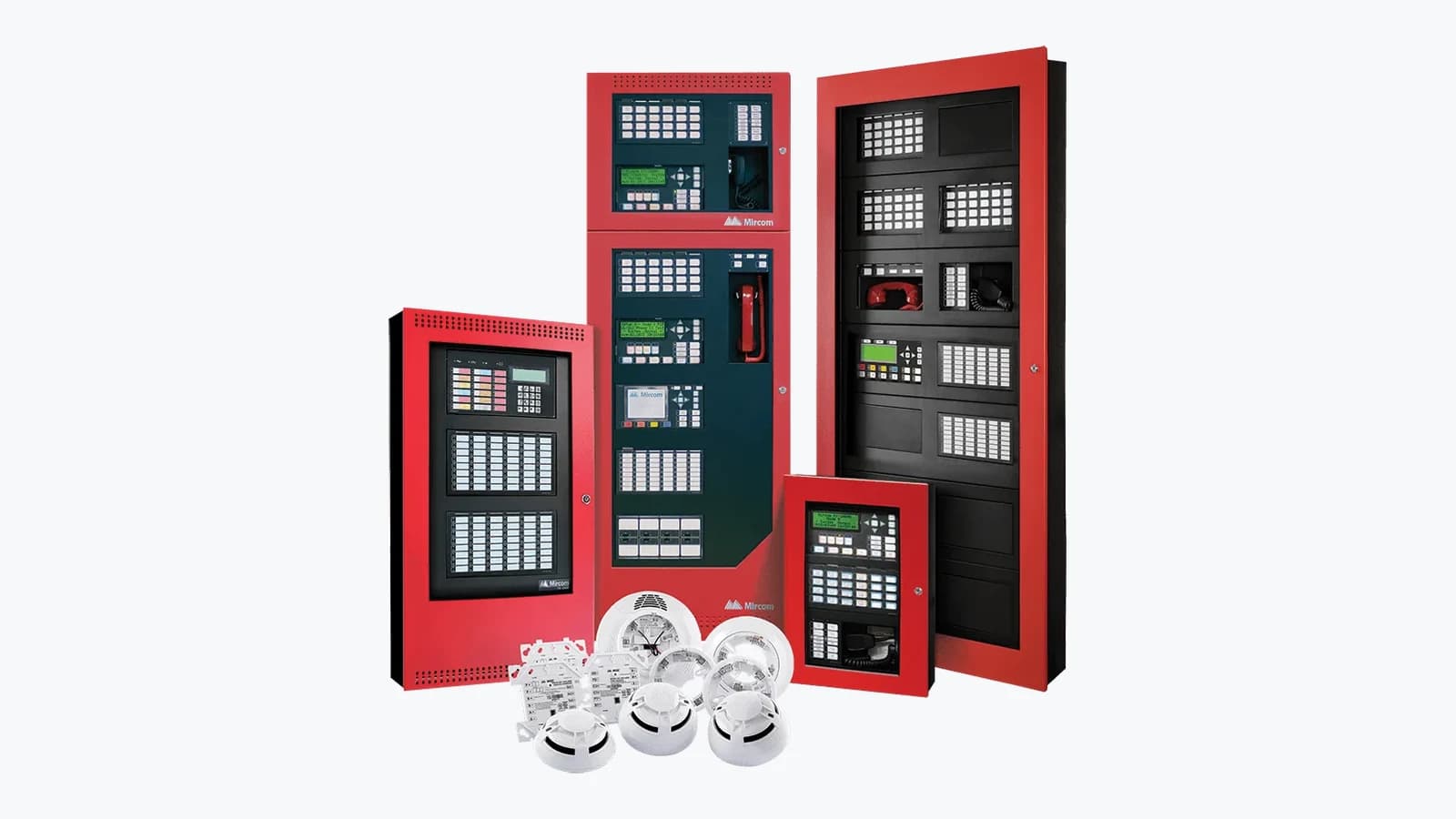
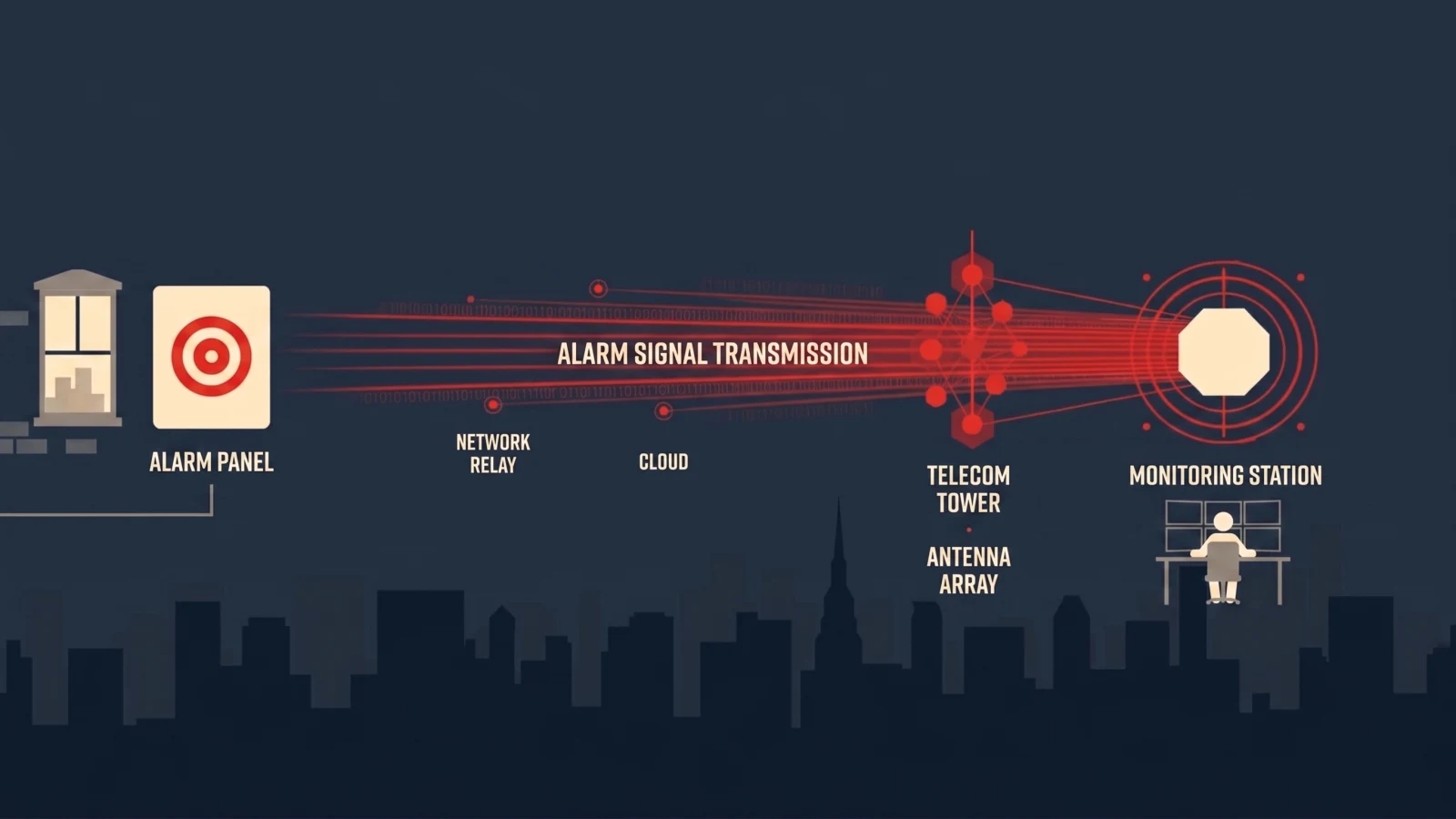
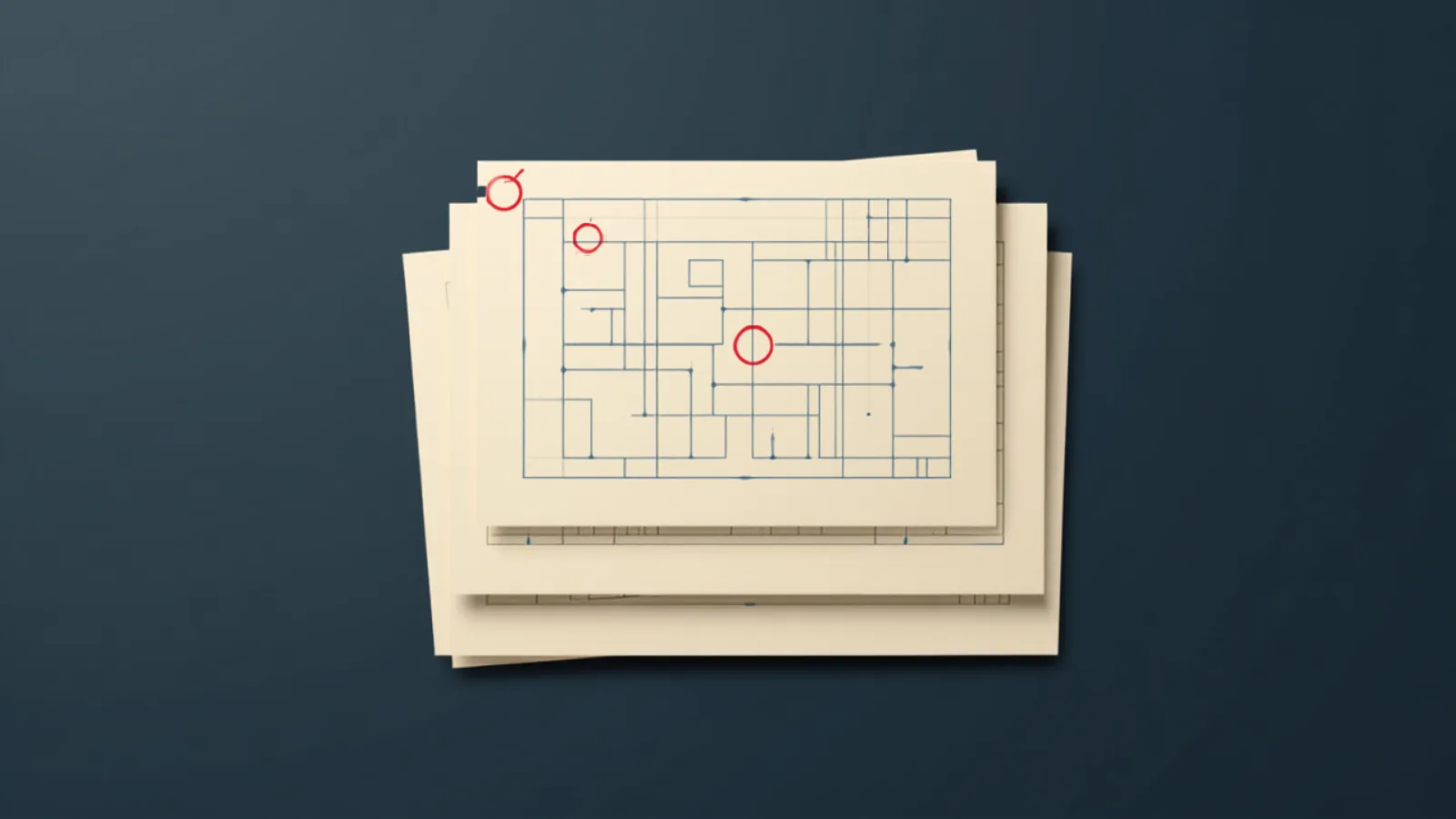
If you own or manage a building in New York City, you already know the FDNY doesn't take fire safety lightly. One missed inspection, a faulty alarm, or an expired test report can lead to hefty fines, and worse, put lives at risk. Regular fire alarm testing isn't just a box to check; it's what keeps your building compliant, protected, and out of trouble.
Where Testing Slips Through the Cracks
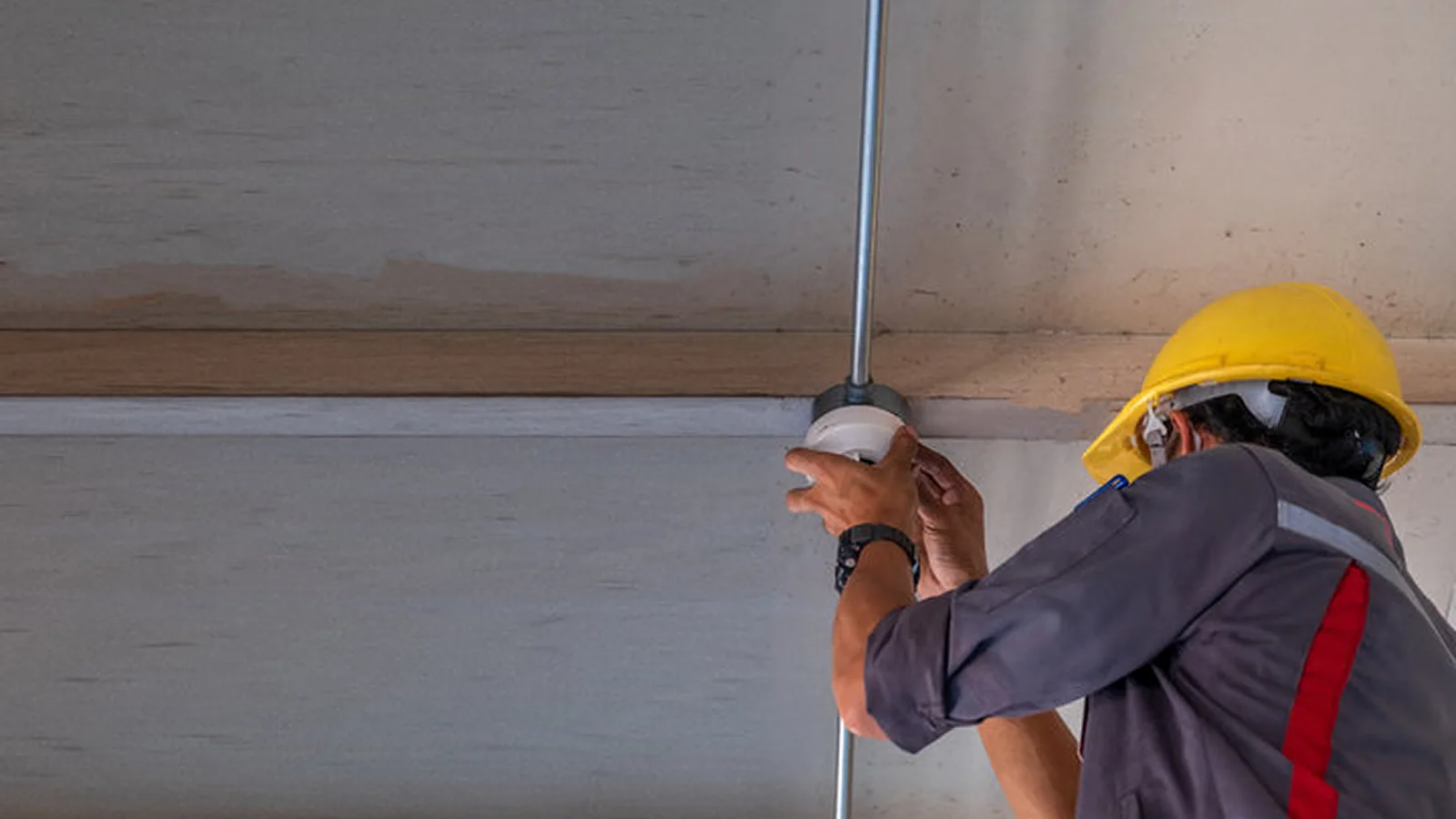
Let's be real, most property managers juggle dozens of priorities. Between tenant issues, maintenance, and construction updates, fire alarm testing can slip through the cracks.
But when it does, the FDNY will notice. Their inspections are thorough, and any:
- Non-functional devices
- Missing documentation
- Outdated systems
can trigger violations on the spot.
What the Fire Code Requires
The FDNY Fire Code (FC 901) requires that all commercial and residential fire alarm systems in NYC are tested and maintained at regular intervals, typically semi-annually or annually, depending on the system type and occupancy. Skipping these inspections not only puts you at risk for fines but could delay your Certificate of Occupancy or stall property transactions down the line.
Beyond compliance, regular testing is also the best way to catch issues early. Sensors can get dusty, batteries die, and wiring can loosen over time, especially in older buildings. Routine testing ensures your system actually performs when it matters most. It's like getting your car inspected, you'd rather find a small issue during maintenance than discover a major one during an emergency.
The Record Is What Closes a Violation
Here is the part that catches owners off guard. When an inspector asks about testing, they are not asking whether work happened. They are asking to see the document that proves it did.
NFPA 72 sets the inspection, testing, and maintenance frequencies device by device, and it also requires that the results be recorded and retained. Those records are the working evidence that a system has been maintained. A building that tested everything on schedule but cannot produce the reports is, from an enforcement standpoint, in roughly the same position as a building that tested nothing.
The same logic governs how a violation gets closed. Correcting the underlying problem is necessary but not sufficient — a repair performed properly and never documented leaves the violation open, and the clock keeps running. What closes it is paperwork that shows the deficiency was corrected by qualified personnel, submitted the way the order specifies.
A few habits make this far less painful. Keep the most recent inspection report on site rather than in a contractor's filing system, because that is where it will be asked for. Read the report when it arrives instead of filing it unread — deficiencies noted by your own technician are deficiencies an inspector will find too, and the report is a to-do list before it is a record. Make sure the report describes the system as it exists today, since a renovation that added or moved devices without a corresponding update leaves an obvious discrepancy. And confirm the personnel who performed the work held the right qualifications, because work by someone unqualified can be rejected regardless of how well it was done.
What a Lapse Actually Costs
The fine is usually the smallest line item.
The larger costs are the ones that do not appear on the violation notice. Corrections have to be scheduled against whatever the deficiency turns out to be, and a system that has gone untested for years tends to produce a longer list than one on a routine cycle. Re-inspection takes time to arrange, and the building stays out of compliance until it happens.
Then there are the downstream effects the original problem never predicted. A pending violation can complicate a Certificate of Occupancy, slow a refinancing, or surface in diligence during a sale at exactly the wrong moment. Insurers ask for inspection records after a loss, and a gap in the file is a bad thing to be explaining then. Emergency service on a failed system costs more than scheduled service on a working one, and the timing is never yours to pick.
Set against that, keeping a system on its inspection and testing cycle is the cheap option. It is a predictable, schedulable cost that replaces an unpredictable one.
At County Fire, we help property owners and facility managers across all five boroughs stay one step ahead. Our certified technicians handle complete FDNY fire alarm inspections, testing, and maintenance, ensuring your system passes every requirement and your records are always up to date. We even help with deficiency corrections and re-inspections if the FDNY flags an issue.
Think of regular fire alarm testing as an investment, not just in compliance, but in peace of mind. When your alarms are tested, tagged, and fully operational, you're not just avoiding fines; you're protecting your people, your property, and your reputation.
Frequently Asked Questions (FAQ)
How often does a fire alarm system need to be tested in NYC?
Frequency is not a single number. NFPA 72 sets intervals device by device, and the FDNY's requirements layer on top of that depending on system type and occupancy, which is why one building's schedule can look different from another's. The practical answer for most commercial properties is at least an annual inspection with additional periodic testing, and your inspection report should state what applies to your system.
What happens if I miss a scheduled fire alarm inspection?
Nothing, until an inspector arrives or the system fails. At that point a lapse becomes a violation, and the building has to correct the deficiency, document the correction, and satisfy the order within the period it specifies. The gap in records is often what triggers the finding in the first place.
Do I need to keep the old inspection reports?
Yes. Records of inspection, testing, and maintenance are meant to be retained, and they are what demonstrates a maintenance history rather than a single recent visit. Keep them on site and accessible, not solely with your contractor — an inspector asking for records is not going to wait for someone to email them over.
Can I do fire alarm testing myself to save money?
No. Testing has to be performed by appropriately qualified and licensed personnel, and results certified by someone who is not can be rejected outright. Building staff have real responsibilities around the system day to day, but the periodic testing that satisfies the code is not one of them.
The FDNY already issued a violation. Is it too late?
No. A violation is a correction order with a deadline, not a final judgment. Correct the underlying deficiency, get the work properly documented, and submit what the order asks for. The mistake to avoid is fixing the problem and assuming that ends it — an uncorrected paper trail keeps the violation open. Our FDNY compliance page covers what the process involves.
Stay Compliant with County Fire NYC
Avoid costly violations and ensure your fire alarm system is always FDNY-ready. Testing is one of the fire protection services we run across the five boroughs. Call (888) 470-3473 or email info@countyfire.us to get expert help on your next project.