FDNY Fire Sprinkler Inspection Requirements: How to Avoid Costly Violations and Protect Your NYC Commercial Property
Planning your next inspection? Review our NYC fire sprinkler inspection service and published costs, including the factors that affect an itemized quote.
The Core Problem: Why Sprinkler Inspections are Proof of Protection
For many property managers, fire safety compliance is treated as a routine administrative hurdle. This perspective is a dangerous operational mistake.
An FDNY sprinkler inspection is not a mere paper-shuffling exercise; it is physical, undeniable proof of your building's active protection. If a fire breaks out in a commercial space, your fire sprinkler system is the primary responder. It is designed to suppress or completely extinguish flames before local fire departments even arrive on the scene.
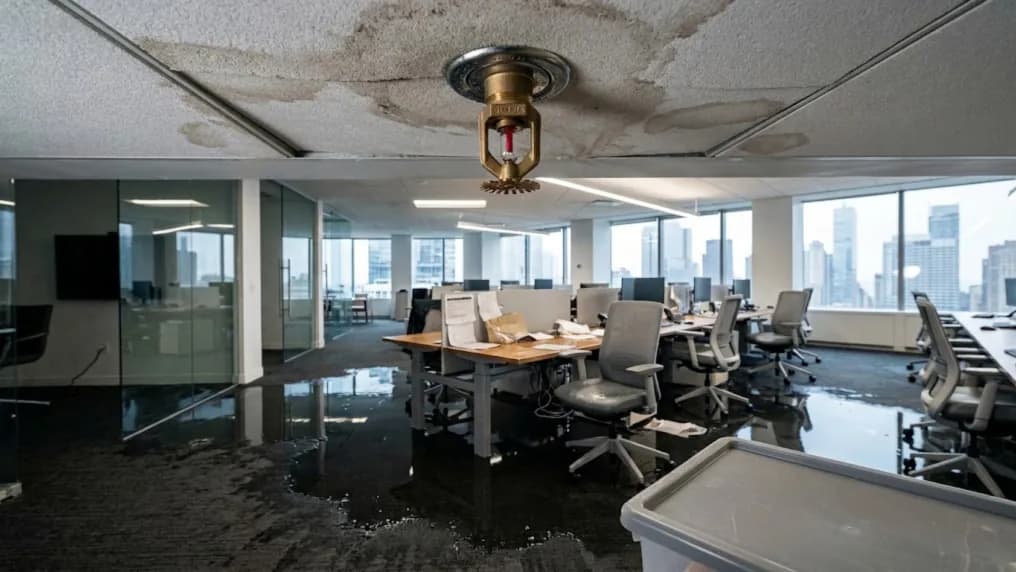
However, if your system fails to activate because of a seized valve or clogged piping, the consequences are immediate. Beyond the obvious risk to human life, an unmaintained sprinkler system can lead to total property loss, voided commercial property insurance policies, and severe civil liability lawsuits.
Many property owners don’t realize these warning signs or regulatory gaps until a failed inspection or sudden emergency exposes them.
Understanding your system's current health is the first step toward total structural protection.
Why Fire Sprinkler Systems Fail: The Technical Reality
Fire sprinkler systems are mechanical networks exposed to continuous environmental pressure, water corrosion, and physical wear. Over time, several critical components can degrade silently without any visible external indicators.
[Water Supply] ──> [Control Valves (Must be Open)] ──> [Pipes (Corrosion Risk)] ──> [Sprinkler Heads]
Critical Points of Mechanical Failure:
- Seized Control Valves: Control valves govern the flow of water into the sprinkler piping. If these valves are accidentally left closed, chained incorrectly, or suffer mechanical seizure, no water will reach the sprinkler heads during a fire.
- Hydrostatic Pressure Imbalances: Fire sprinkler systems rely on precise pressure levels to function. Low pressure prevents water from reaching upper floors, while excessively high pressure can rupture joints and cause devastating indoor flooding.
- Internal Pipe Obstructions: Over years of standing water, pipes suffer from microbiologically influenced corrosion (MIC) and rust accumulation. This internal scale can break free during system activation, clogging narrow sprinkler nozzles.
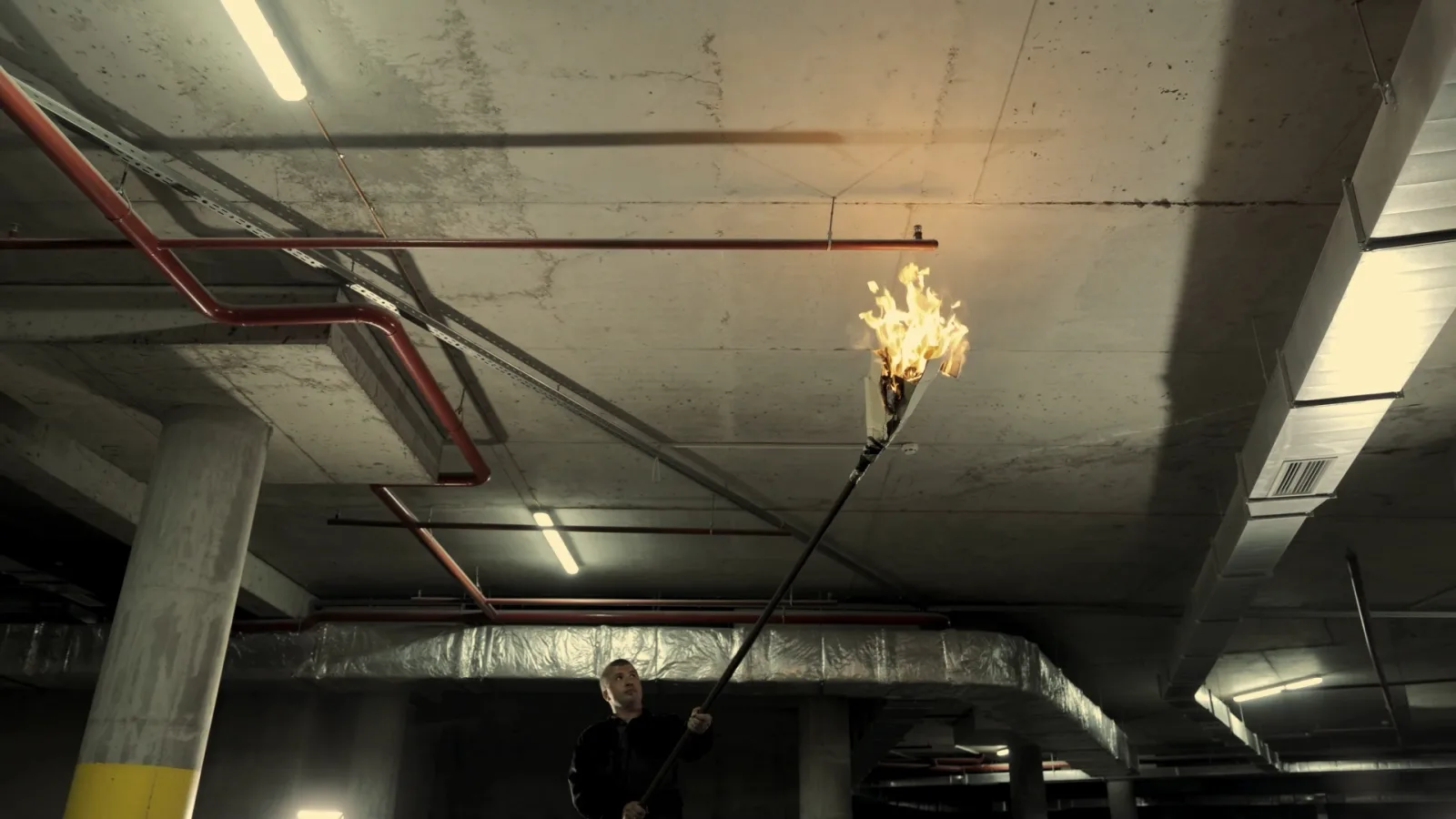
- Painted or Damaged Sprinkler Heads: During tenant renovations, painters often inadvertently coat sprinkler heads. A layer of paint acts as an insulator, delaying or entirely preventing the thermal bulb from shattering when exposed to heat.
If your system hasn’t been professionally evaluated recently, hidden deficiencies may already exist within your control valves or internal pipe networks. Taking a proactive look at your hardware is vital to avoiding unexpected mechanical failures.
The Consequences of Compliance Neglect: FDNY Violations and Beyond
The Real Impact of Non-Compliance:
- Severe Financial Violations: Failing a routine check or failing to produce up-to-date inspection logs can result in substantial civil penalties, which rise for a second or subsequent violation in the same category.
- "Order to Vacate" and Business Interruption: If an inspector deems your sprinkler system severely compromised, they have the authority to issue a partial or full vacate order, shutting down your commercial tenants and freezing your cash flow.
- Insurance Claim Denials: If a fire occurs and your records show that you neglected required weekly, monthly, or quarterly sprinkler tests, your commercial insurance provider may legally deny your multi-million-dollar property damage claim.
- Personal Civil and Criminal Liability: In catastrophic events where injuries or fatalities occur, property owners who neglected mandatory fire safety testing can face personal civil lawsuits and even criminal negligence charges.
-
Visual inspections
-
Control valves
-
Pressure gauges
-
Water pressure checks
-
Low-temperature alarms
-
Operational tests
-
Water flow alarms
-
Main drain tests
-
Valve supervisory switches
-
Physical testing
-
Main flow testing
-
Sprinkler head clearance checks
-
Dry-pipe trip tests
-
Internal pipe investigation
-
Hydrostatic pressure testing
-
Check valves
Key Warning Signs Your Sprinkler System Needs Immediate Attention
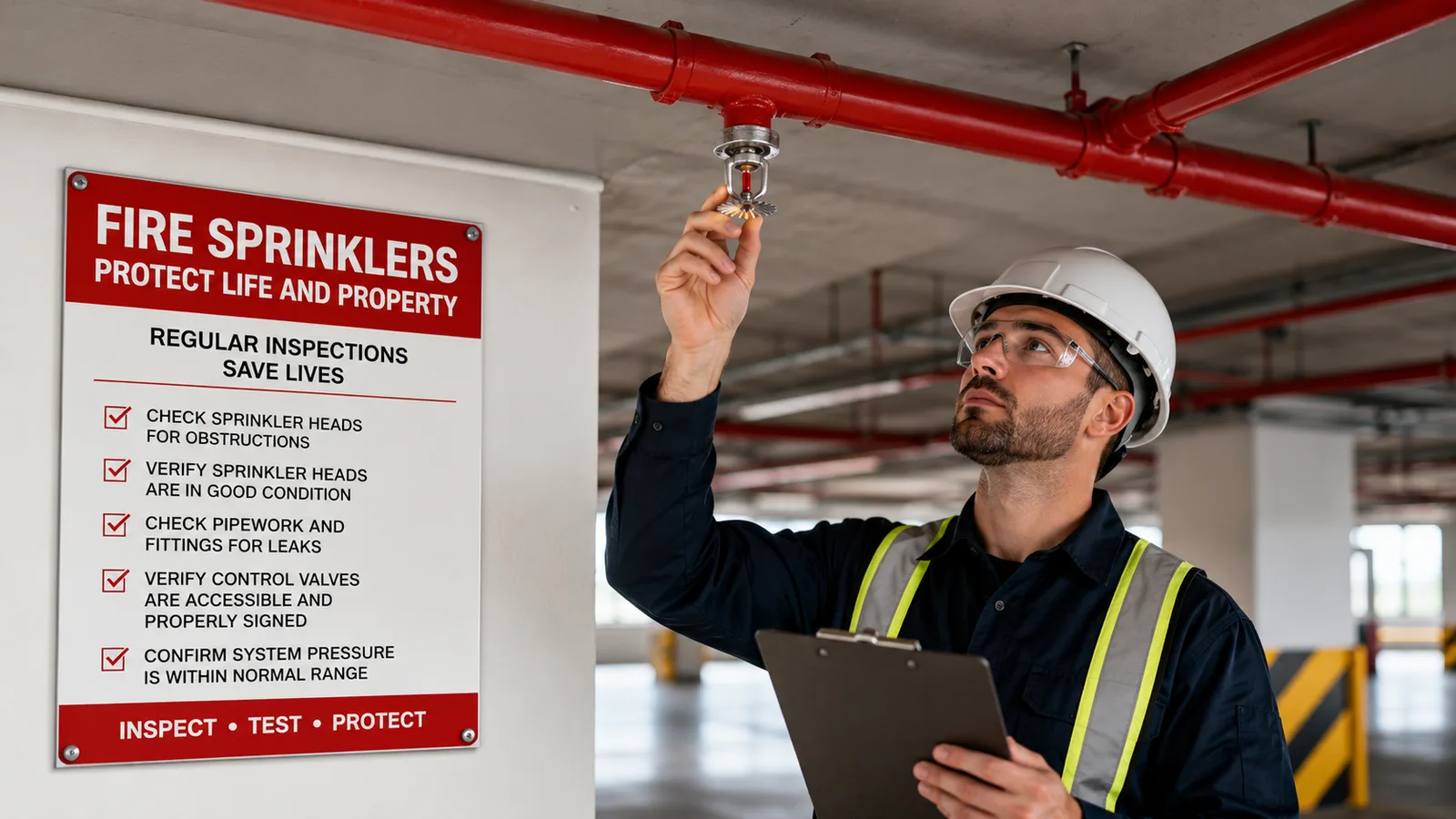
While comprehensive testing requires specialized equipment, property managers should stay vigilant for several clear, physical warning signs that indicate their system is at immediate risk of failing an FDNY inspection:
- Corrosion and Discoloration: Rust on the exterior of pipes, green oxidization near joints, or pinhole leaks are clear indicators of internal system decay.
- Inconsistent Pressure Gauge Readings: If your system's air or water pressure gauges show highly erratic readings or fall below your building’s baseline design specifications, there is an underlying issue.
- Obstructed Sprinkler Heads: Ensure there is a minimum of 18 inches of clear space below all sprinkler heads. High-piled storage, new partitions, or suspended lighting blocking a head is an instant FDNY violation.
- Leaking Control Valves: Water pooling around backflow preventers or control valves indicates failing gaskets that must be serviced immediately.
While identifying visible warning signs is helpful, a certified diagnostic evaluation by a specialized team is the only way to guarantee your system's operational readiness under pressure.
How County Fire Keeps Your Building Safe and Compliant
Navigating the intersection of NFPA 25 standards, local NYC amendments, and FDNY administrative paperwork is a full-time job. That is where County Fire comes in.
We serve as your dedicated compliance partner, ensuring your commercial property remains fully operational, legally compliant, and physically protected 365 days a year. Our fire sprinkler inspection service runs the NFPA 25 cycles described above — quarterly, annual, and 5-year — and is one of the fire protection services we run for NYC commercial buildings.
[Diagnostic Evaluation] ──> [Routine Testing & Repair] ──> [FDNY Documentation Submission] ──> [Continuous Compliance Monitoring]
Our Comprehensive Fire Sprinkler Services Include:
- Turnkey NFPA 25 Sprinkler Inspections: Complete weekly, monthly, quarterly, and annual inspections conducted by certified, licensed fire safety technicians.
- 5-Year Hydrostatic Pressure & Internal Testing: Full-scale pressure testing and internal pipe analysis to ensure your system can handle maximum load demands.
- Valve and Backflow Testing: Precision diagnostics of control valves, OS&Y valves, and backflow preventers.
- FDNY Violation Resolution: Fast-track diagnostic and repair services to correct active fire code violations and file the necessary clearance paperwork with the city.
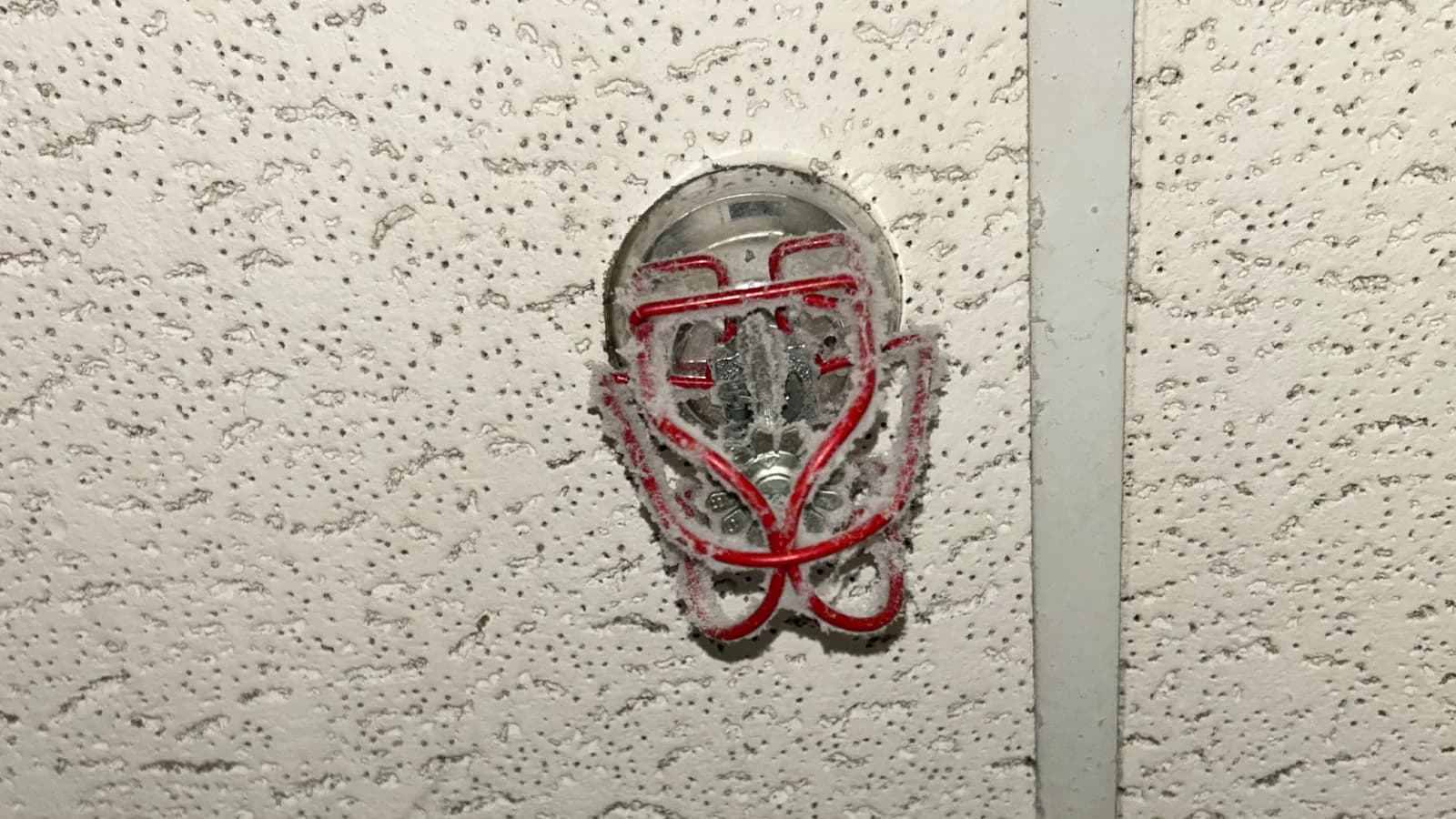
- Emergency Diagnostics and 24/7 Repairs: Immediate response teams to handle unexpected leaks, frozen pipes, or system pressure drops.
By partnering with County Fire, you gain the peace of mind that comes from knowing every control valve, pressure gauge, and flow test is being managed by elite industry specialists. We handle the technical details and the municipal paperwork so you can focus on running your business.
Partnering with an elite, proactive compliance team ensures you are never caught off guard during an unannounced municipal inspection.
Frequently Asked Questions (FAQ)
What does an FDNY sprinkler inspection actually check?
An inspection verifies the system can deliver water where and when it is needed: control valves open and supervised, gauges reading correct pressure, no obstructed or painted heads, and documentation that the required tests were performed on schedule.
What happens if I cannot produce inspection records?
Missing documentation is treated much like a missing inspection. If you cannot show that required tests happened at the correct intervals, the system is presumed non-compliant and a violation can follow even when the hardware itself is sound.
Do sprinkler inspections have to be done by a licensed contractor?
Yes. Inspection and testing of commercial sprinkler systems must be carried out by appropriately licensed and qualified personnel, and the reports they produce are what demonstrate compliance if FDNY asks for proof.
- How often does the FDNY require commercial fire sprinkler inspections? The FDNY follows the NFPA 25 standard, which mandates a tiered inspection schedule. Property owners must ensure visual inspections of control valves and gauges are done weekly or monthly, operational water-flow testing is completed quarterly, and comprehensive system-wide testing is performed annually. Additionally, a specialized 5-year hydrostatic pressure test is required for all systems.
- What are the most common causes of FDNY fire sprinkler violations? The majority of NYC sprinkler violations stem from easily preventable issues. These include closed or unchained control valves, failure to maintain 18 inches of clearance around sprinkler heads, painted or heavily corroded sprinkler heads, outdated or missing inspection tags, and the inability to present up-to-date NFPA 25 inspection records to the inspector.
- Can I perform fire sprinkler inspections myself to meet compliance? No. The FDNY and NYC building codes require that all mandatory fire sprinkler inspections, testing, and maintenance be performed by a licensed master fire sprinkler contractor or an individual holding the proper FDNY Certificate of Fitness (e.g., S-12 for Sprinkler Systems). Unlicensed inspections will not be accepted as proof of compliance.
- Call Us: (888) 470-3473
- Visit Us Online: countyfire.us