Every property manager with an older fire alarm system eventually gets two opinions: one contractor says it has years left, another says replace it. Both can be argued, which is why the decision needs a basis other than the age of the equipment.
There is no code provision that retires a fire alarm system at a particular age. What follows is what actually separates a repair from a replacement.
Age Is a Signal, Not a Threshold
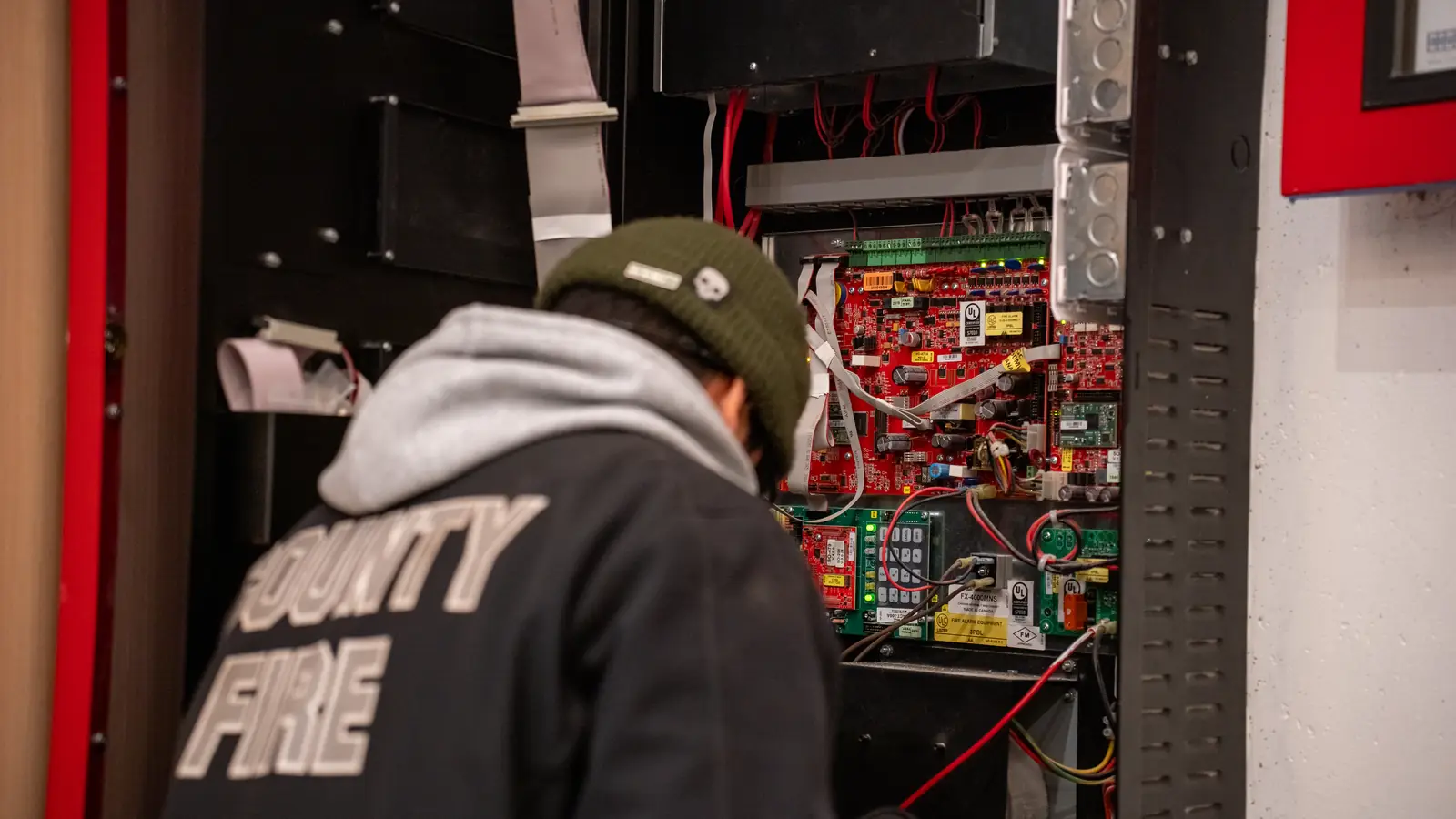
A twenty-year-old panel that is fully supported, holds programming, and passes its annual test without incident is not a compliance problem. A twelve-year-old panel whose manufacturer has discontinued the board you need is a problem today.
Age matters because it correlates with the things that do matter — parts availability, manufacturer support, and accumulated wear on field devices and wiring. It is a reason to look closely, not a verdict on its own. Treating a birthday as a deadline leads buildings to replace working systems while other buildings nurse genuinely failing ones because the panel is "only fifteen years old."
The useful question is not how old the system is. It is whether the system can be restored to a known-good condition, and kept there, at a defensible cost.
Four Conditions That Point to Replacement
Parts are no longer obtainable. When a board, power supply, or module cannot be sourced through legitimate channels, every future failure becomes an emergency with an unknown resolution time. Salvaged parts from decommissioned systems are a stopgap, not a maintenance plan.
The manufacturer has ended support. Addressable panels are configured in software. If the programming tool for your platform no longer runs, or no one can obtain the correct version, then the panel cannot be meaningfully changed — no new devices, no re-addressing, no correcting a mislabeled zone. A system you cannot modify is a system that cannot follow the building as it changes.
Faults recur without a traceable cause. Isolated device failures are ordinary. A pattern of intermittent troubles and ground faults that move around the loop and never resolve to a single component usually points at aged wiring or a failing panel, and each service call buys less time than the last.
The building has requirements the system cannot meet. A change of occupancy, an addition, a voice evacuation requirement, an interface to emergency communication equipment, or simply running out of addressable points can all put a working system past its useful limit.
If none of these apply, you are looking at a repair.
When Repair Is the Right Call
Most of what goes wrong on a fire alarm system is repairable and should be repaired.
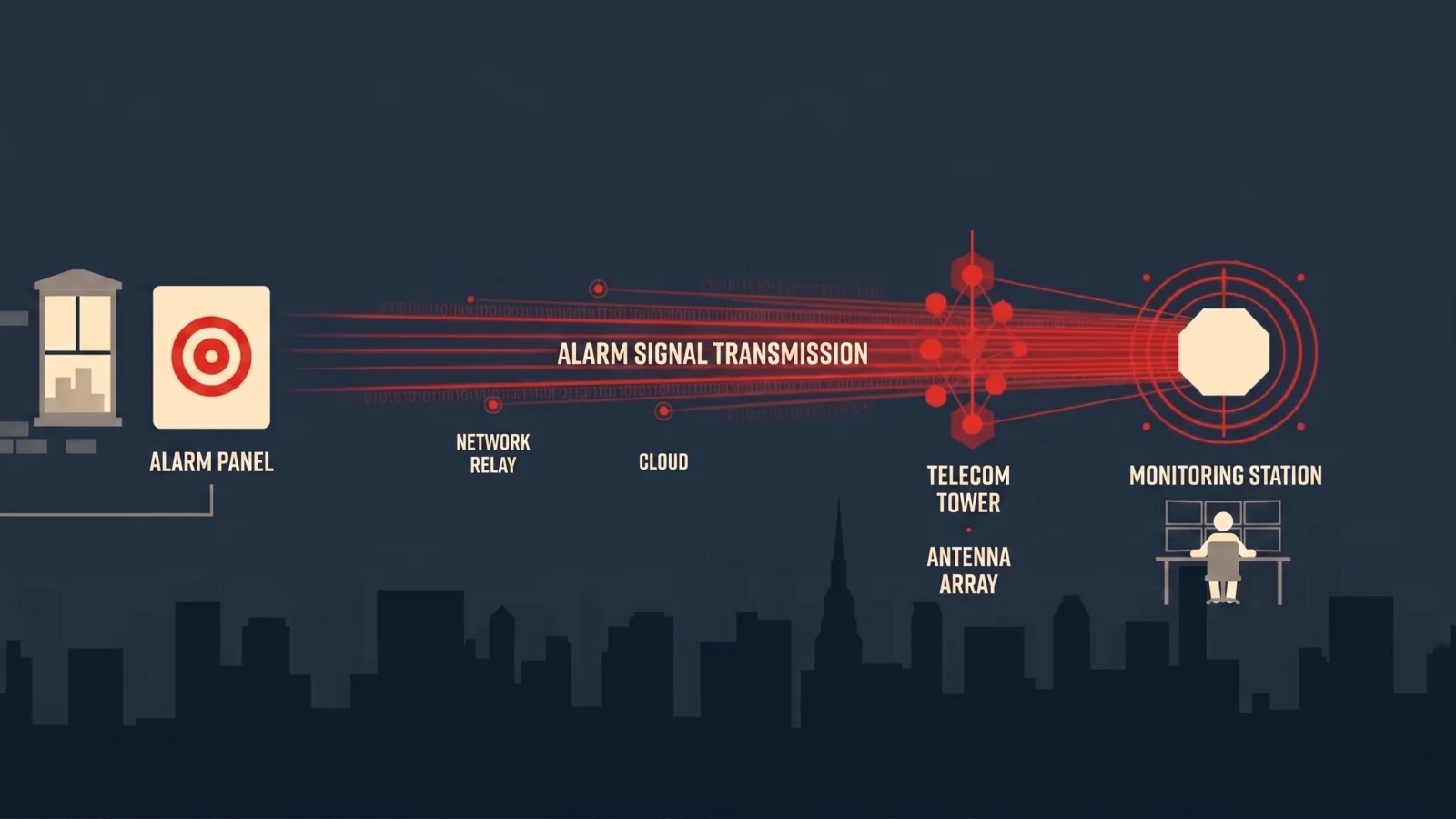
Individual detectors and pull stations fail and get replaced routinely. Batteries and power supplies are consumable and have a predictable service life. A single failed board on a supported platform is a part swap. Wiring faults are traceable and correctable. Adding fire alarm monitoring generally means adding a compatible communicator rather than replacing the panel, which is a point of confusion worth clearing up — a building does not need a new system to be monitored.
The honest test is whether the repair returns the system to a condition you can rely on until the next annual inspection. If it does, take the repair. If it is the third such repair in eighteen months and each one has bought a shorter reprieve, you are funding a replacement in instalments and getting none of the benefit.
What Replacement Involves in NYC
A replacement is a permitted project, not a service call, and the sequence matters for scheduling.
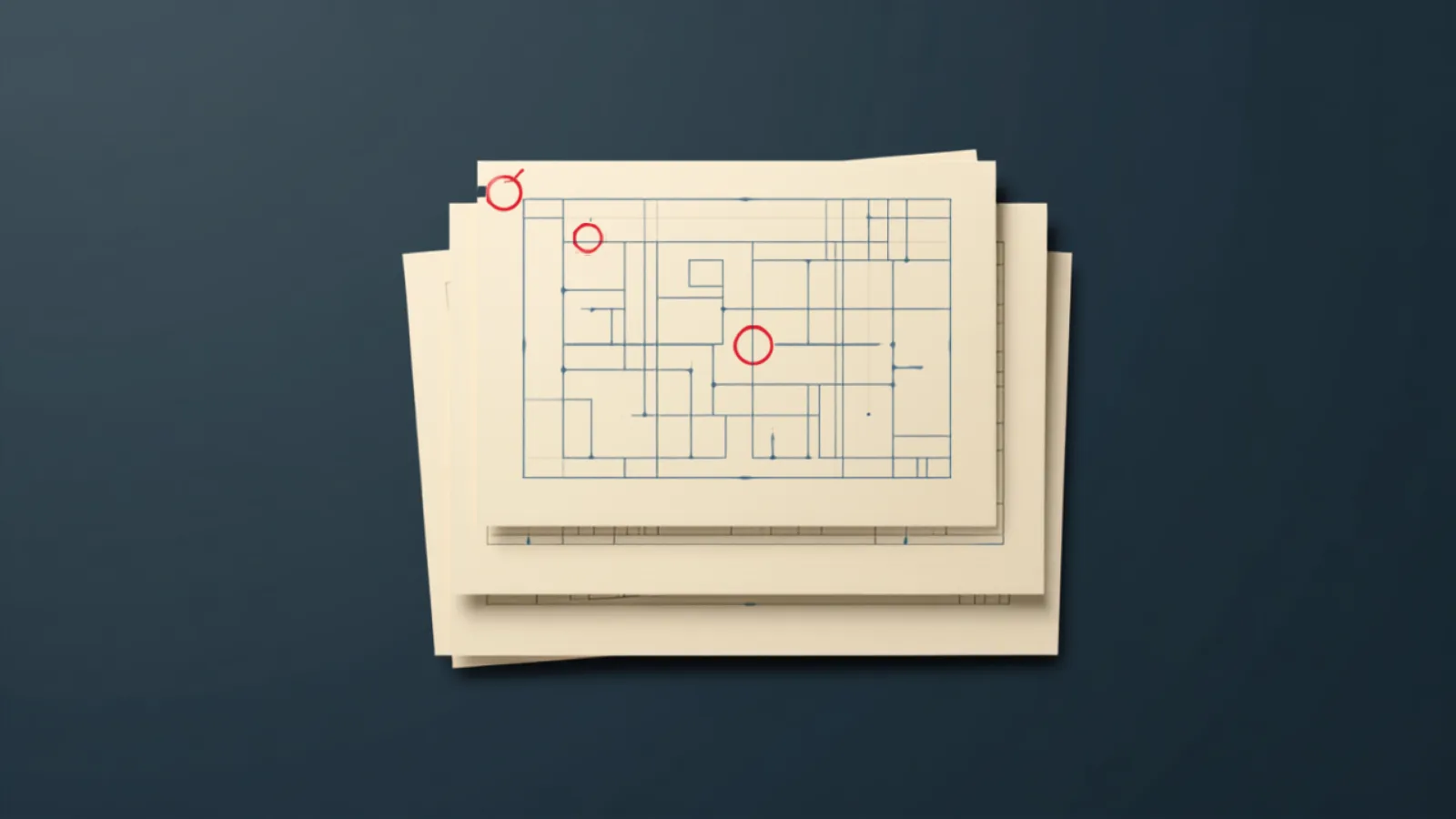
Design comes first. Fire alarm design documents must be prepared to the NYC Fire Code, Building Code, and Electrical Code, and filed with the FDNY for approval before installation work proceeds. Relocating or replacing a fire alarm control panel triggers this requirement on its own — it is not limited to new construction. Approval can run through standard plan examination or through professional certification, and the route affects the timeline.
Installation follows, performed by appropriately licensed personnel. In an occupied building this is normally phased, because the property cannot simply be left without detection while the changeover happens. Expect interim measures during cutover and plan them deliberately rather than discovering them mid-project.
Acceptance testing closes it out. The completed system is tested and the certification filed with the FDNY, which is what produces the approval documenting the installation. Our fire alarm design and installation page covers how that sequence is scoped.
The Cost Comparison People Get Wrong
Replacement is compared against the quoted repair, and that comparison flatters the repair every time.
The fair comparison includes what the failing system costs in the years you keep it: repeat service calls, emergency response at premium rates, the administrative time each incident consumes, and the risk of a deficiency surfacing during an FDNY inspection rather than during a scheduled visit. A finding discovered by an inspector puts you on the department's timeline with a correction period, not on your own.
There is also a planning cost to deferral. A replacement decided deliberately can be budgeted, designed, filed, and phased across a year. The same replacement forced by a total failure happens on emergency terms, with a building that may need a fire watch while the work proceeds. The equipment costs roughly the same in both cases. Everything around it does not.
Frequently Asked Questions (FAQ)
How long does a commercial fire alarm system last?
There is no code-mandated lifespan, and well-maintained systems commonly run for two decades or more. What ends a system's life in practice is the manufacturer discontinuing support and parts for that platform, which varies by brand and model rather than following a fixed schedule. Ask your servicing contractor about the support status of your specific panel rather than its age.
Does the FDNY ever require a system to be replaced?
Not on the basis of age. Requirements are triggered by conditions and changes — a system that cannot be restored to compliant operation, a change in occupancy or building use, or a code requirement that the existing equipment cannot satisfy. A system that passes its testing and can be maintained is not replaced because it is old.
Can a fire alarm system be replaced in phases?
Yes, and in occupied buildings it usually is. Phasing is planned through the design and approval stage so that detection and notification remain in place as areas are cut over, with interim protection where coverage is temporarily affected. This is a design decision made before the work starts, not something improvised on site.
Do I need to replace the panel to add monitoring?
Rarely. Monitoring is normally added by installing a compatible communicator on the existing panel, and most panels in service can accommodate one. A replacement would only be indicated if the panel is already obsolete or otherwise unsupportable for separate reasons.
County Fire Inc. has assessed, repaired, and replaced fire alarm systems across the five boroughs since 2015, and we will tell you when a system has life left in it. Replacement is scoped alongside the rest of our fire protection service lines. For an honest read on your building, call (888) 470-3473 or see our fire alarm inspection and testing service.