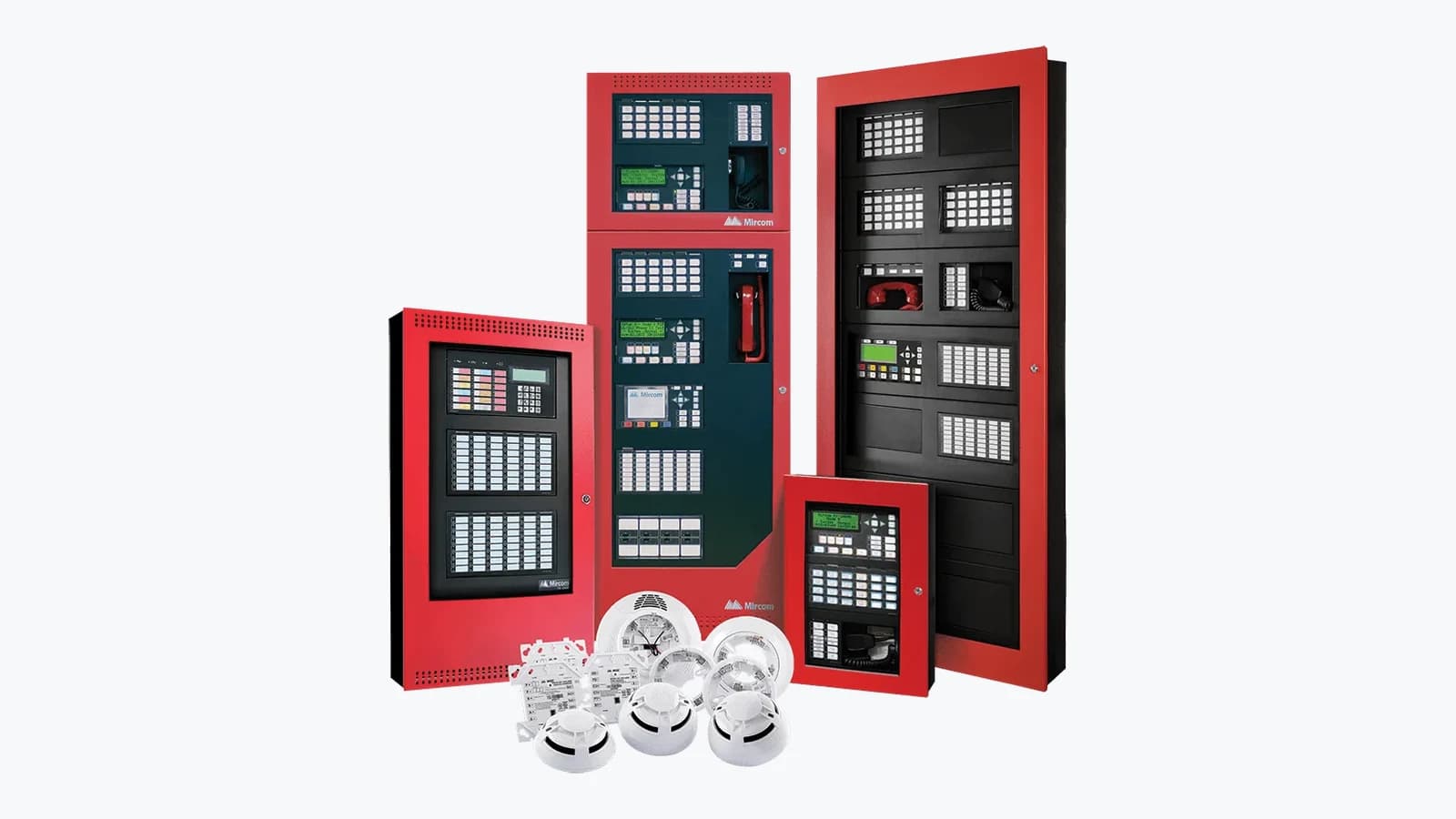
The question behind "how long will this take" is usually a scheduling one. You need to know whether to warn tenants, whether the horns will sound during business hours, and whether you are giving up a morning or a week.
Here are realistic ranges and, more usefully, the things that decide where a given building lands in them.
The Short Answer
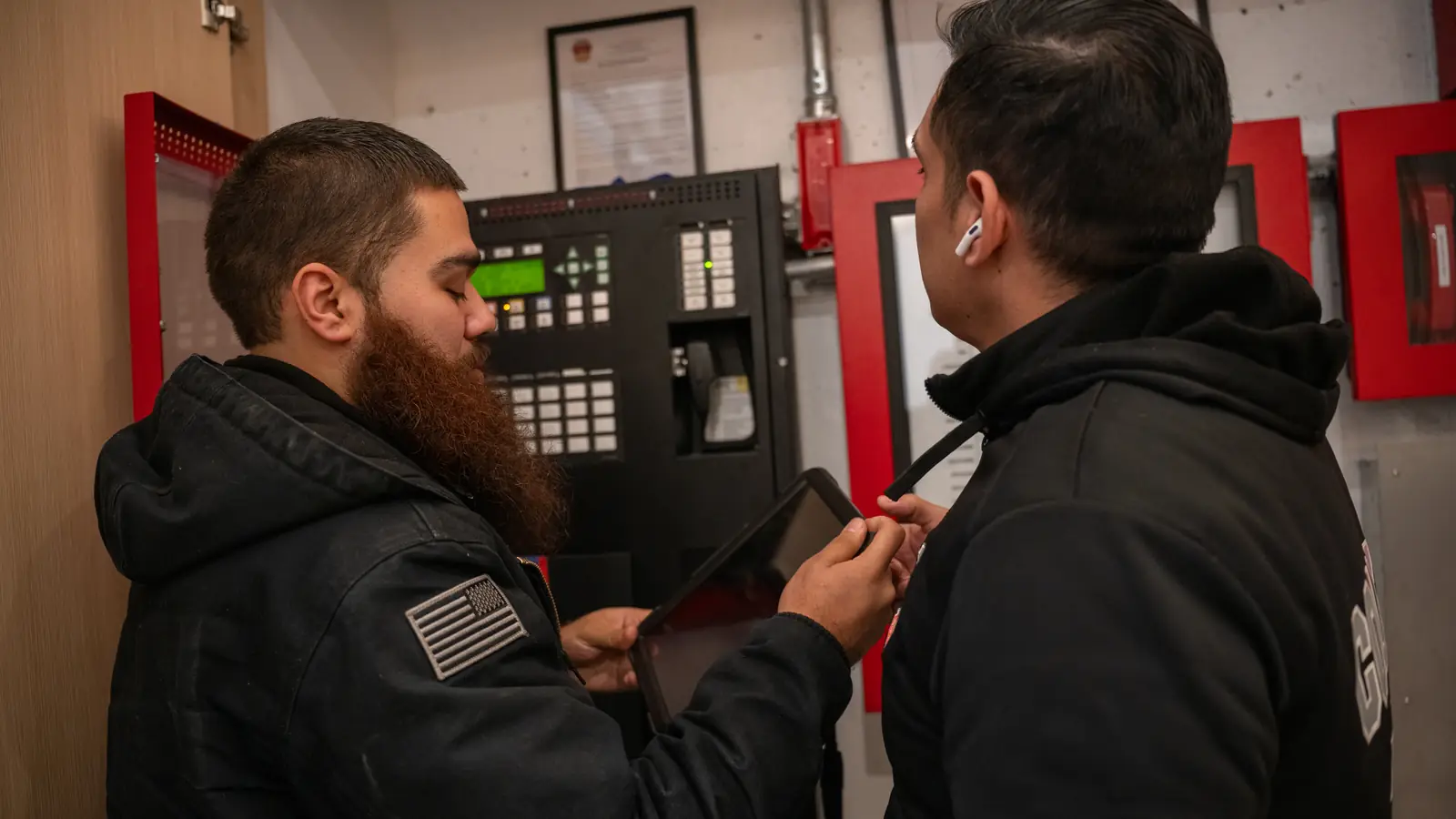
For a straightforward commercial space — a single floor or two, a conventional panel, twenty-five to fifty devices — a full annual inspection typically runs two to four hours.
A mid-size building with an addressable system and a couple hundred devices across several floors is generally a full day, sometimes spilling into a second.
A high-rise with several hundred to a few thousand devices, multiple risers, and tenant spaces that have to be scheduled individually is a multi-day job, usually phased across floors or wings over a week or more. Buildings like this rarely get inspected in one continuous visit, and the calendar time is longer than the labor time.
These are field ranges, not code figures. NFPA 72 sets what has to be tested and how often; it does not set how long it takes, because that depends almost entirely on the building.
What Actually Drives the Clock
Device count. This is the single biggest factor. NFPA 72 requires every initiating device to be tested on an annual cycle — each smoke detector, heat detector, duct detector, pull station, waterflow and tamper switch, individually, in place. A technician moves through devices at a fairly steady pace, so a device count is the closest thing to a reliable estimate you can get before anyone arrives.
Vertical distance and layout. Two hundred devices spread over twenty floors takes materially longer than two hundred devices on three floors. Elevator wait times, freight scheduling, and the walk between a device and the panel all compound.
Ceiling height and device placement. Detectors in atriums, above mechanical equipment, or at heights needing a lift add time per device rather than a flat amount, so a handful of hard-access devices can add hours.
System age and condition. A well-maintained addressable system reports cleanly. An older system with intermittent troubles, undocumented additions, or devices that do not match the panel's programming turns an inspection into a diagnostic exercise, which is a different job with a different duration.
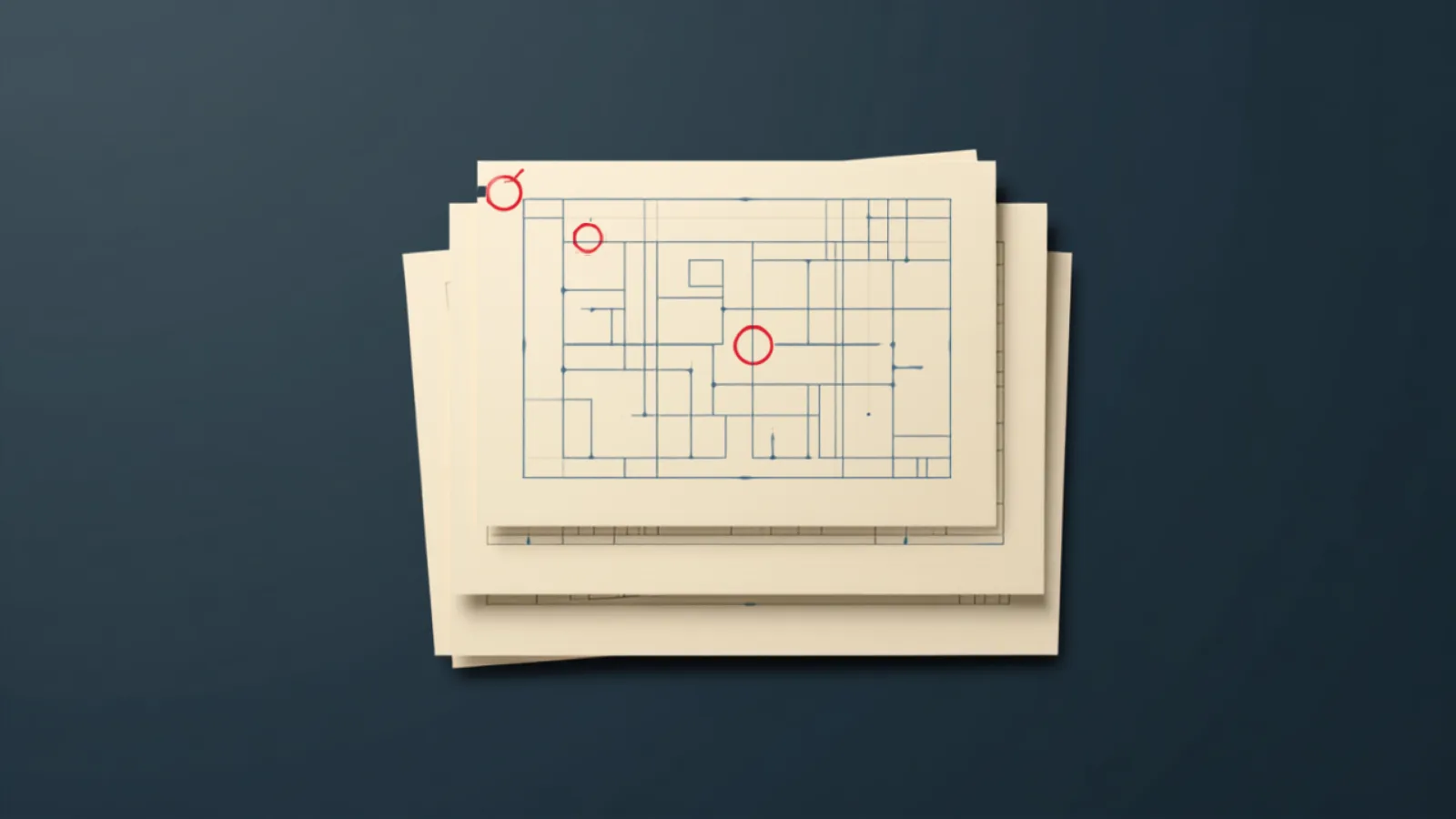
The state of the records. If the as-built drawings and device list are accurate, the technician follows them. If they are twenty years out of date, the first task is finding out what is actually installed, and that has to happen before anything gets tested.
Access Is the Variable You Control
Everything above is a property of the building. Access is a property of how the day is organized, and it is where most inspections lose time.
Every device has to be physically reached. That means locked tenant suites, occupied units, IT and telecom closets, mechanical rooms, storage areas that have been converted since anyone last looked, and any space where a detector sits behind stacked inventory. A device that cannot be reached cannot be tested, and it becomes an untested device on the report — which is the thing you were trying to avoid.
Notify tenants in advance with specific windows, confirm who holds keys for every locked space, and have someone with building-wide access accompany the technician. Buildings that do this finish inside the estimate. Buildings that do not typically need a return visit for the ten percent of devices nobody could get to, and a return visit costs more calendar time than the original inspection.
What the Time Is Actually Spent On
The sequence is roughly the same at every scale:
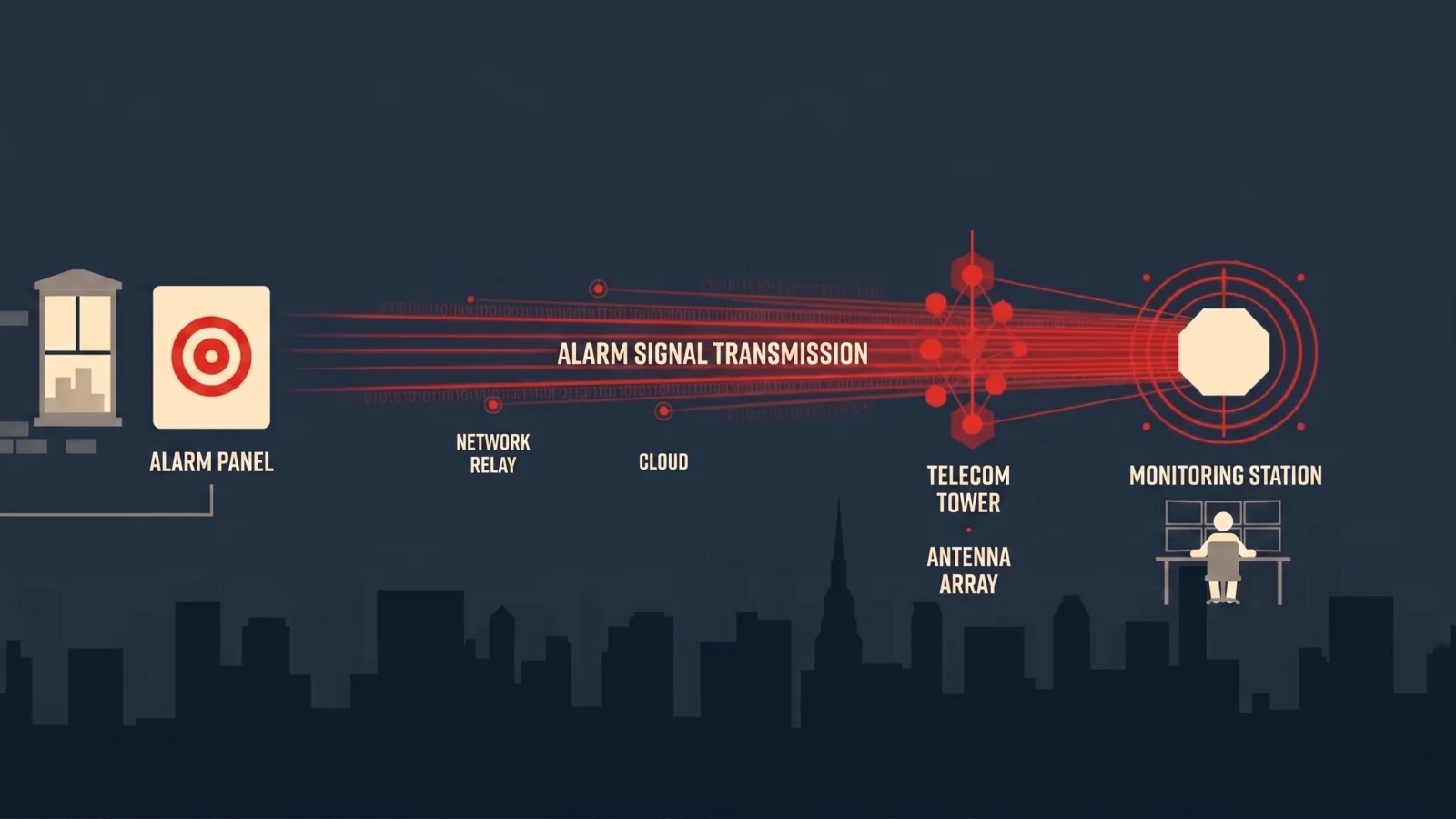
The monitoring company is placed on test so the testing does not produce a fire department dispatch. The panel is checked for existing trouble conditions, and its event history is reviewed. Devices are then tested individually, with each activation confirmed at the panel so the device's address, location text, and zone all match what the panel reports.
Notification appliances are tested — horns, strobes, speakers, and voice communication where present. Secondary power is checked, including battery condition and the panel's ability to run on batteries. Supervisory and waterflow devices tied to the sprinkler system are exercised. Then the system is restored, the monitoring company is taken off test, and the documentation is completed.
That last step matters more than its share of the time suggests. The record produced by the inspection is what demonstrates compliance during an FDNY visit, and testing must be conducted under an FDNY Certificate of Fitness holder for fire alarm system supervision. Work performed correctly but documented loosely leaves you in the same position as work not performed. Our fire alarm inspection and testing page covers what that record set includes.
A Faster Inspection Is Not a Better One
If a three-hundred-device building is being inspected in two hours, the devices are not all being tested. This shows up in a predictable way: the paperwork says one hundred percent, the FDNY inspector activates a detector in a back corridor, and nothing happens at the panel.
Duration is the most honest signal you have about whether an annual inspection is real. When comparing vendors, compare the hours they are proposing against the device count, and be suspicious of the bid that is both cheaper and dramatically faster. The same logic applies to fire alarm monitoring — the value is in the parts that are verified, not in the certificate at the end.
Frequently Asked Questions (FAQ)
Will the alarm sound during the inspection?
Yes, intermittently. Notification appliances have to be tested, so horns and strobes will activate in short bursts through the day. Notify tenants beforehand and post signs at the entrances, and confirm the technician has placed the monitoring company on test so the activations do not trigger a fire department response.
Do we have to shut the building down?
No. Commercial fire alarm inspections are done in occupied buildings as normal practice, and the disruption is limited to short alarm activations and a technician needing access to each space. Businesses that cannot tolerate any interruption during trading hours can schedule evening or weekend testing, which costs more but removes the tenant-coordination problem entirely.
How often does a fire alarm system need to be inspected in NYC?
Annual testing of the full system is the baseline under NFPA 72, with more frequent checks required on certain components and additional obligations for buildings with monitoring or emergency communication systems. Smoke detector sensitivity is verified on its own recurring cycle rather than at every annual visit. Your specific schedule depends on the system type and the building, and should be confirmed against the equipment actually installed.
What happens if devices could not be accessed on the day?
They are recorded as untested, which leaves the inspection incomplete on the record even though the technician did everything possible. Untested devices need a return visit to close out, so it is worth spending the effort on key access and tenant notice before the inspection rather than paying for a second mobilization after it.
County Fire Inc. has inspected fire alarm systems across the five boroughs since 2015, from single-floor commercial spaces to multi-riser high-rises. Alarm inspection is one of our NYC fire protection services. For a timeline based on your actual device count rather than a guess, call (888) 470-3473 or see our fire alarm inspection and testing service.