If you're managing a building in New York City, you've probably wondered: Do I really need both a fire sprinkler system and a fire alarm system? Aren't they the same thing? While they both protect people and property, they serve very different purposes. Understanding the distinction is key for FDNY compliance and effective fire safety.
Difference Between Fire Alarms and Fire Sprinkler Systems
Fire alarms
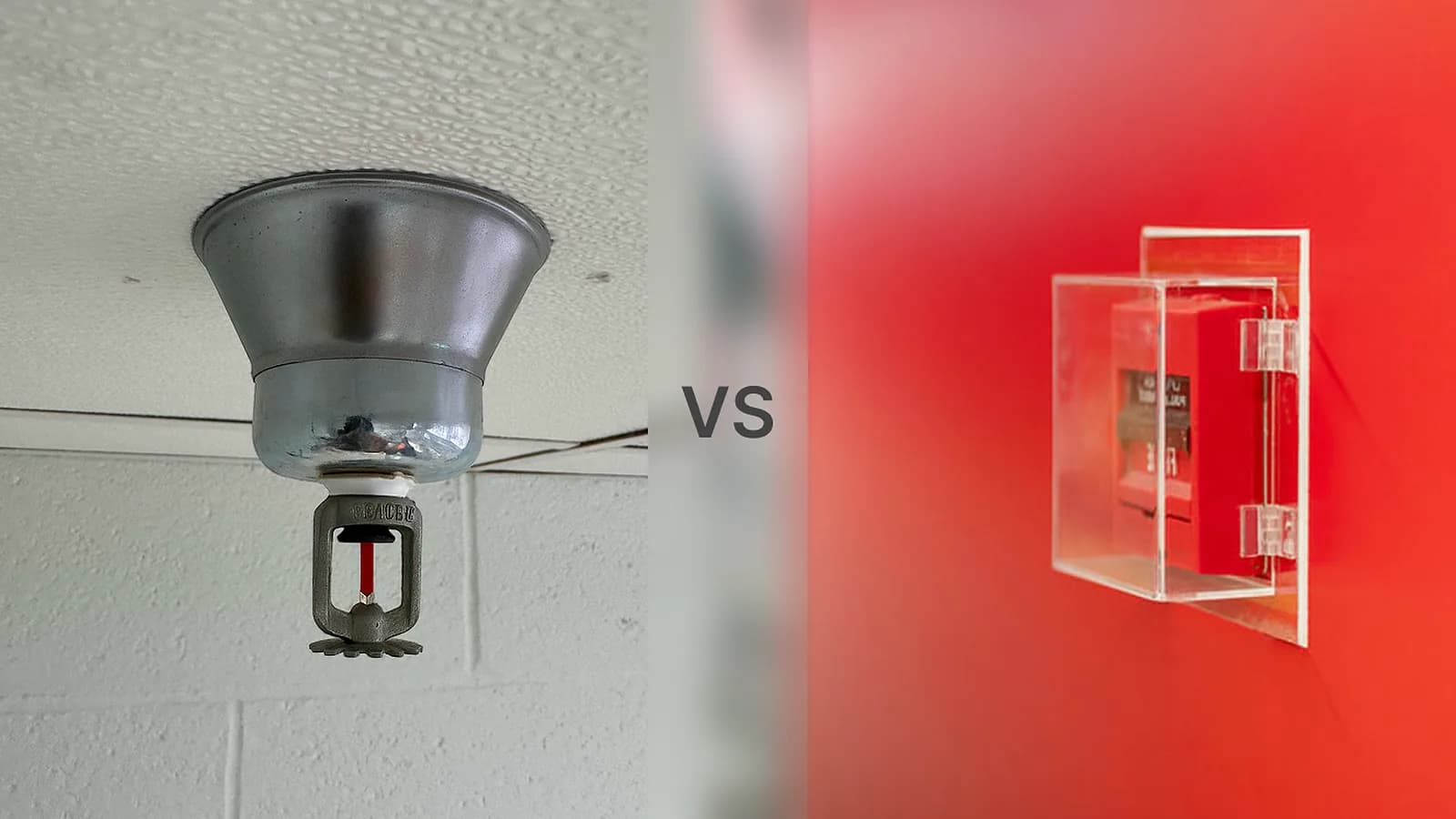
Fire alarms are your early warning system. Smoke detectors, heat sensors, pull stations, and horn/strobe devices are designed to alert occupants and emergency responders when a fire is detected. A properly installed fire alarm system gives people the critical minutes they need to evacuate safely.
Fire sprinkler
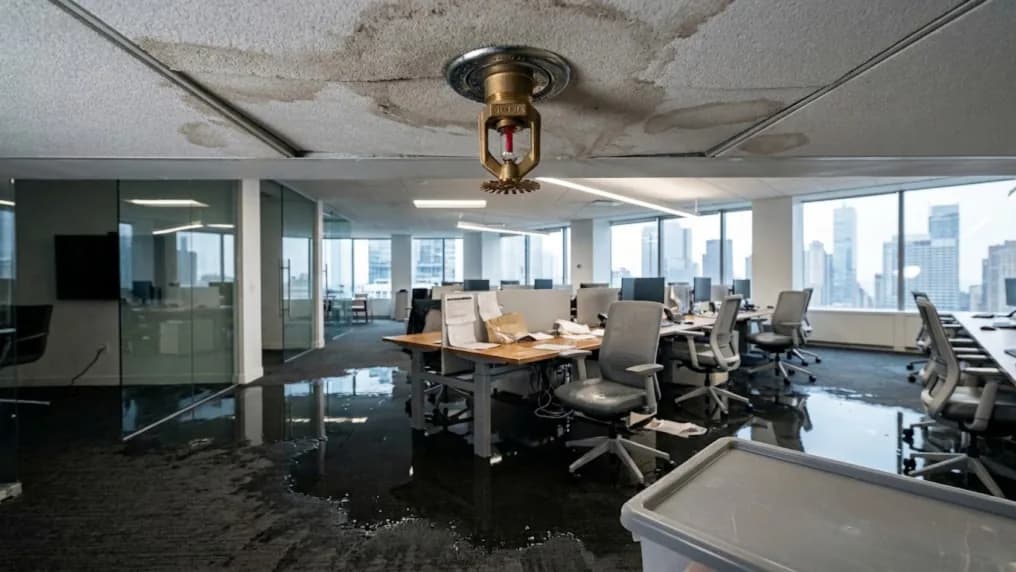
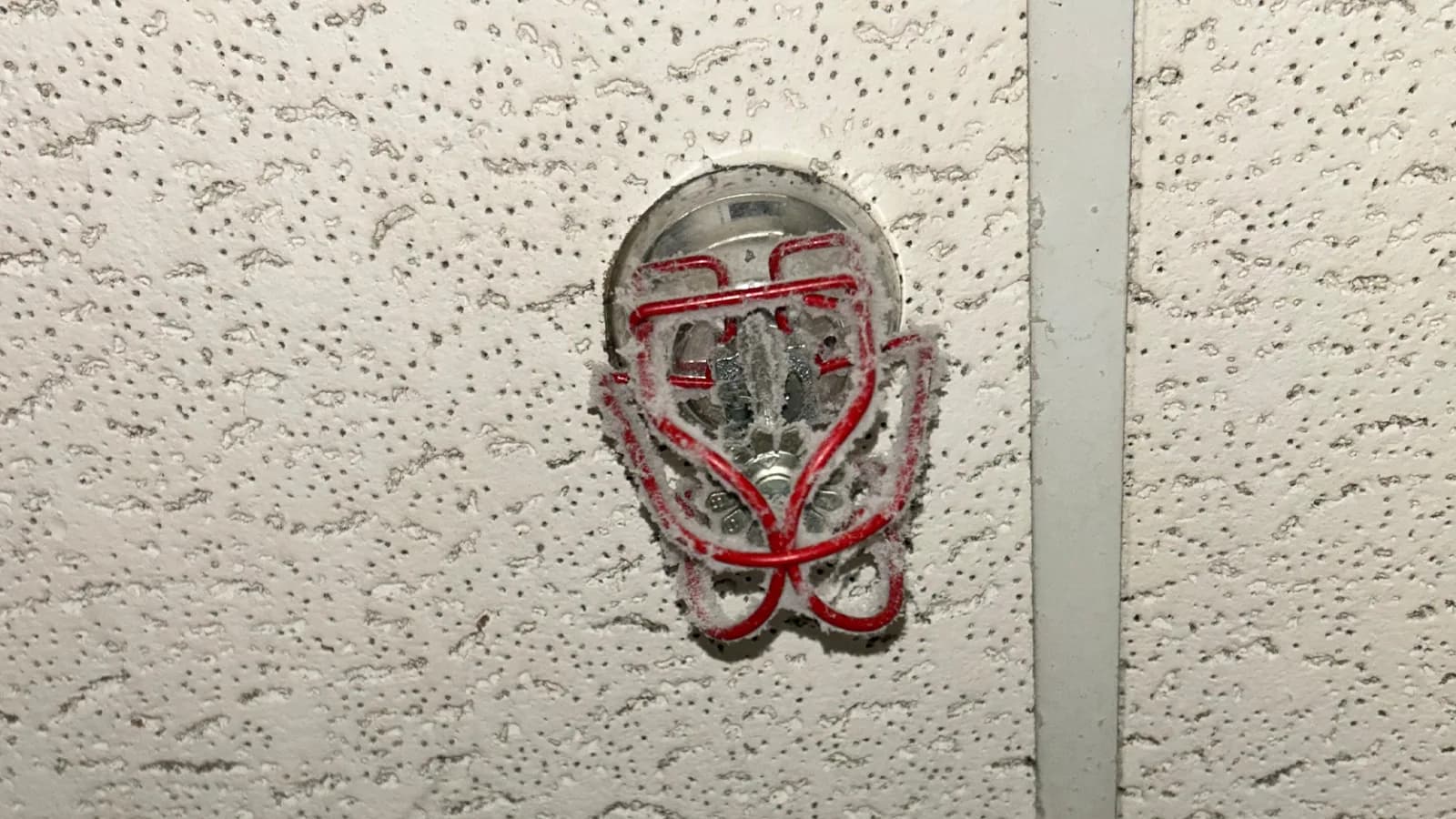
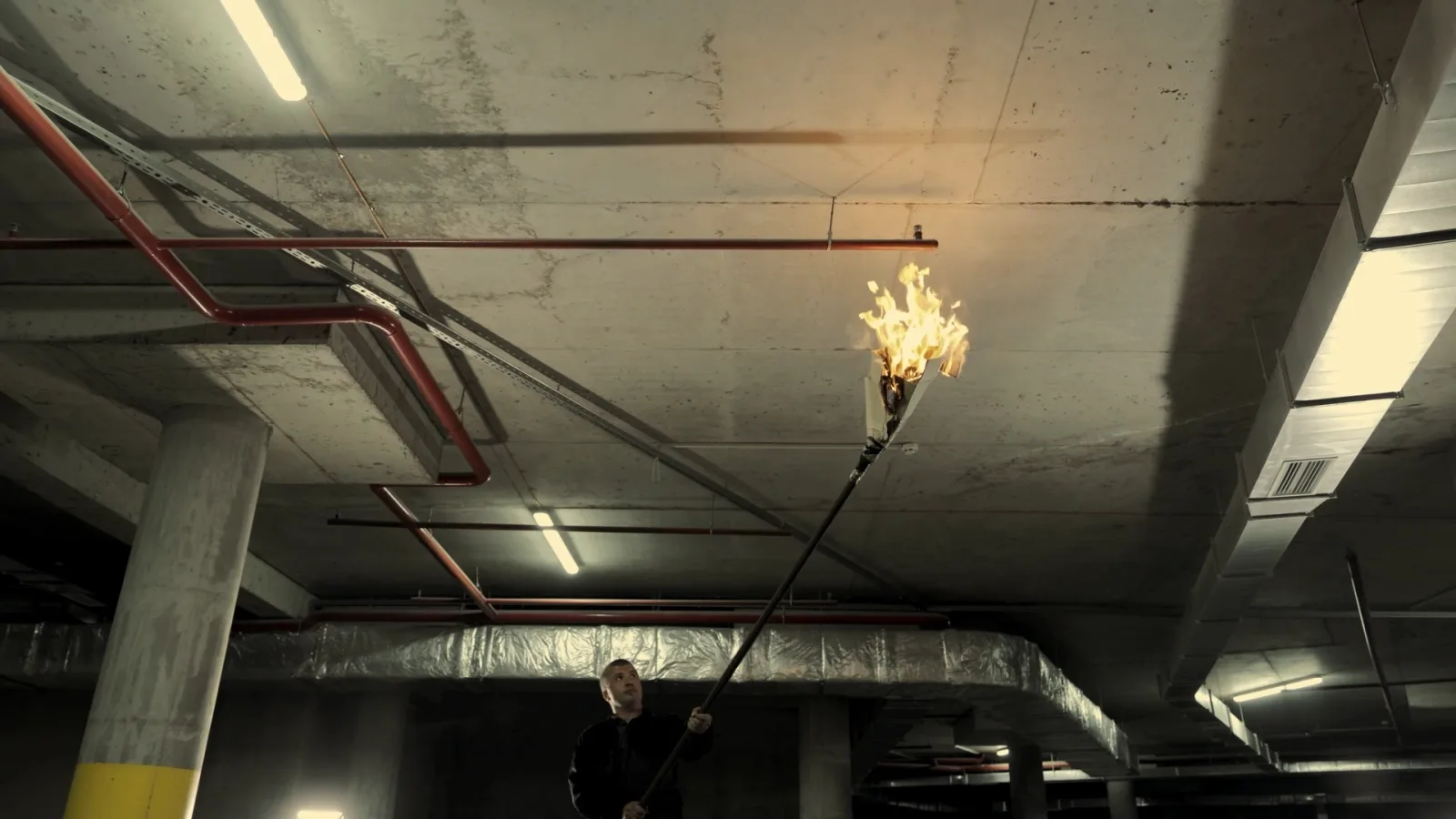
On the other hand, fire sprinkler systems are active suppression systems. When heat triggers a sprinkler head, it releases water directly onto the fire, controlling or extinguishing it before it spreads. Sprinklers protect property, reduce damage, and can save lives by limiting the fire's growth until firefighters arrive.
Both systems work best when integrated. FDNY inspections often check how alarms and sprinklers interact, for example, fire alarms may trigger elevator recall, shut down HVAC systems, or signal the fire department automatically. Buildings without both systems in required areas may face code violations or delays in obtaining a Certificate of Occupancy.
At County Fire, we specialize in design, installation, and maintenance of both fire alarms and sprinklers. Our team ensures your systems meet FDNY and NFPA standards, function seamlessly together, and are ready for inspections. We also handle upgrades, retrofits, and ongoing testing to keep your building safe and compliant year-round.
Understanding the difference between alarms and sprinklers isn't just a technical matter, it's a safety and compliance priority. Investing in both systems is investing in the lives of your tenants, employees, and visitors.
One Detail Most Owners Miss: They Are Wired Together
The common mental picture is two separate systems minding their own business. In a building that has both, that is not how it works. The sprinkler system reports to the fire alarm panel, and that connection is where a surprising number of violations originate.
A waterflow switch sits on the sprinkler riser. When a head opens and water starts moving, the switch closes and the fire alarm panel treats it as an alarm — the same as a smoke detector activating. Notification appliances sound, and the signal transmits to the monitoring station. This is why a sprinkler head that operates in an empty building at 3 a.m. still summons a response: the alarm system carried the message.
Control valves carry tamper switches, and those report differently. A valve being closed produces a supervisory signal rather than an alarm — a quieter category that says the system has been compromised rather than that a fire is burning. A closed valve is the classic silent failure in a sprinkler system, because the pipes look identical whether or not water can reach them. Dry systems add low-air-pressure supervision for the same reason.
Running the other direction, the alarm panel drives functions that have nothing to do with making noise: elevator recall, HVAC and smoke damper shutdown, magnetic door release, stair pressurization. Those are alarm system outputs, and they are tested as part of the alarm system even though the visible equipment belongs to someone else's trade.
The practical consequence is that neither system can be tested in isolation. A waterflow test exercises the sprinkler side and the alarm side at once, and paperwork that covers only one of them leaves a gap an inspector will find.
Which One Your Building Needs Is Not a Choice
Owners sometimes approach this as a budgeting decision between two options. It is not. What a building is required to have is determined by its occupancy classification, height, area, and use, under the NYC Building Code and Fire Code — and for existing buildings, by whatever retrofit obligations apply to that class of property.
That produces a few practical rules of thumb. Most commercial buildings of any size in New York City end up needing both. A building can be required to have sprinklers throughout while its alarm coverage is driven by a different set of triggers, so the two systems rarely map onto each other neatly. And a change of use — converting floors, subdividing a tenancy, adding assembly space — can pull a building into requirements it did not previously face, which is the moment owners most often discover a gap.
The maintenance obligations are separate too. Water-based systems follow NFPA 25 for inspection, testing, and maintenance; the alarm system follows NFPA 72. Different intervals, different qualified personnel, different records. A building that keeps immaculate sprinkler inspection records and nothing for the alarm panel is only half compliant, and the same is true in reverse.
Frequently Asked Questions (FAQ)
Does a fire sprinkler system set off the fire alarm?
Yes, in a building where both are present and properly connected. A waterflow switch on the sprinkler riser signals the fire alarm panel when water begins moving, which sounds the notification appliances and transmits to the monitoring station. If your sprinkler system can operate without the alarm panel knowing, that is a deficiency, not a design choice.
Can I have a sprinkler system without a fire alarm system?
The two are required independently, so the combinations vary by building. What is not acceptable in a building that has both is leaving them unconnected — the waterflow and tamper connections are part of what an inspector verifies. Whether your specific property needs one, the other, or both comes down to occupancy, height, and use under the NYC codes.
Which one actually puts the fire out?
The sprinkler system. Fire alarms detect and warn; they move no water and suppress nothing. Sprinklers control or extinguish the fire at its source, usually with far fewer heads operating than people expect. The alarm system's job is to get occupants out and the fire department en route while the sprinklers hold the fire in place.
Do sprinklers and alarms get inspected at the same time?
They are governed by different standards on different schedules — NFPA 25 for water-based systems, NFPA 72 for fire alarm. Some tests do span both, a waterflow test being the obvious one, and many buildings schedule the two visits together for convenience. The records, however, are separate documents, and an inspector will ask for both.
What happens if a sprinkler control valve is left closed?
The tamper switch should send a supervisory signal to the fire alarm panel, flagging that the system has been impaired. If that supervision is missing or the signal is being ignored at the monitoring station, the building can sit with a disabled sprinkler system for weeks with nothing visible to suggest it. This is among the more serious findings an FDNY compliance review can turn up.
Need Fire Alarm or Sprinkler Services?
County Fire provides expert installation, inspection, and maintenance for fire alarms and sprinklers across all five boroughs. Both sit within our wider fire protection services. Call (888) 470-3473 or email info@countyfire.us to get expert help on your next project.