Ever wonder what actually happens when a fire protection company shows up to maintain your fire alarm system?
If you manage or own a building in New York City, you already know that regular maintenance isn't just a good idea, it's an FDNY requirement. But many building owners aren't quite sure what that visit really involves.
Let's Break It Down in Plain English
-
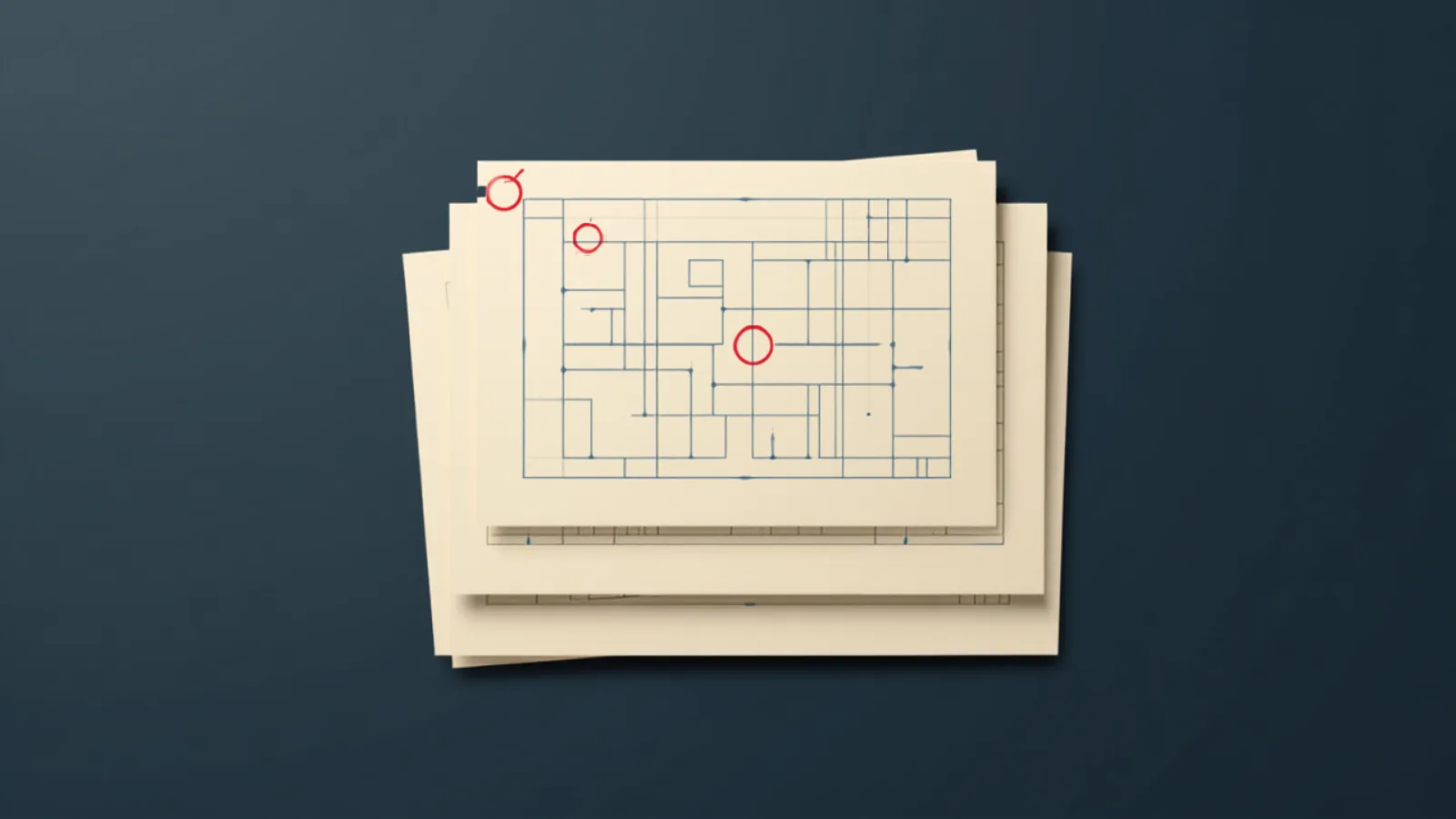
When a County Fire technician arrives for your fire alarm maintenance visit, the first thing they do is check in with building management and review your system's testing and maintenance log. This ensures every visit is properly documented, something the FDNY inspectors will look for later.
-
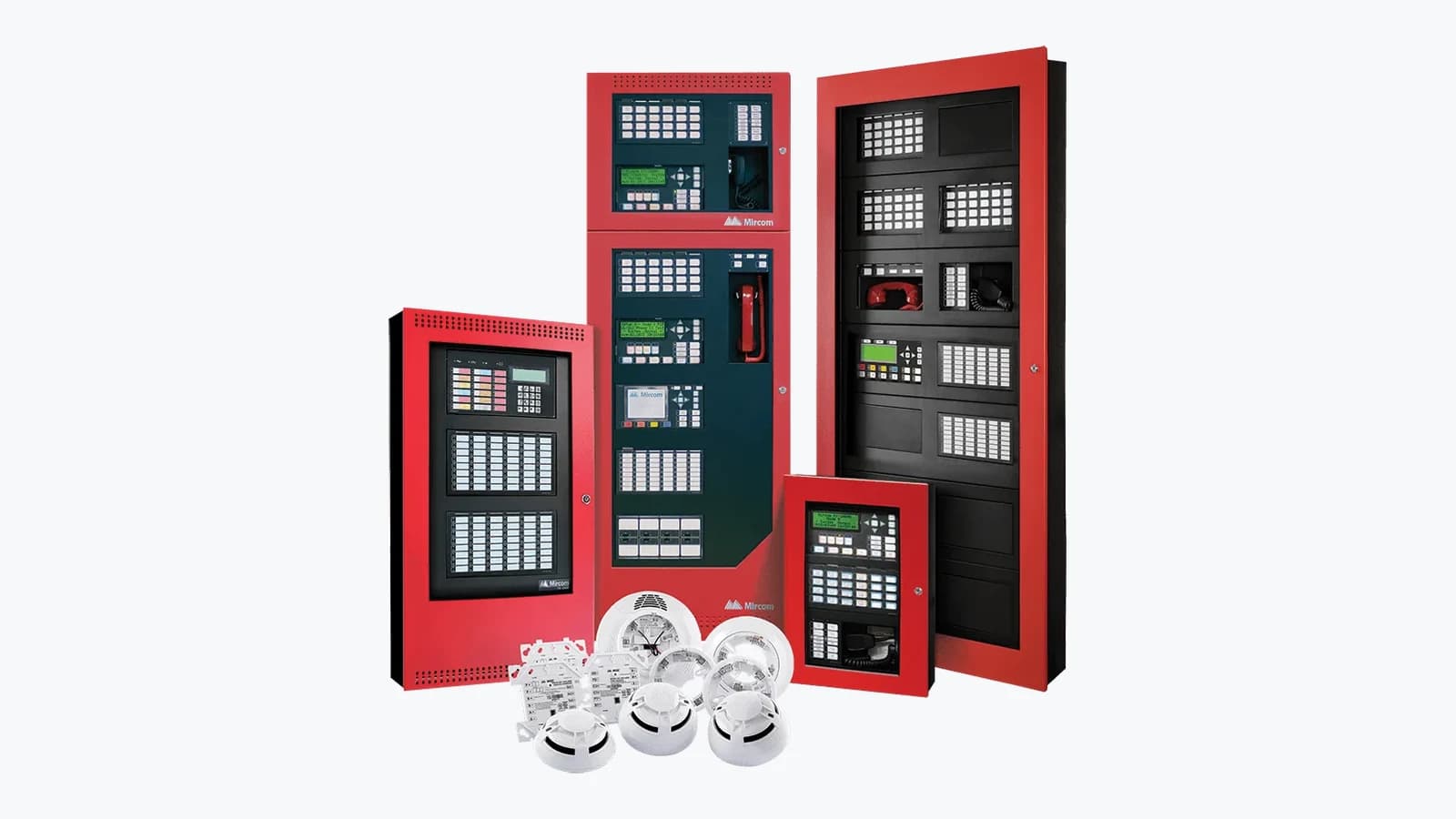
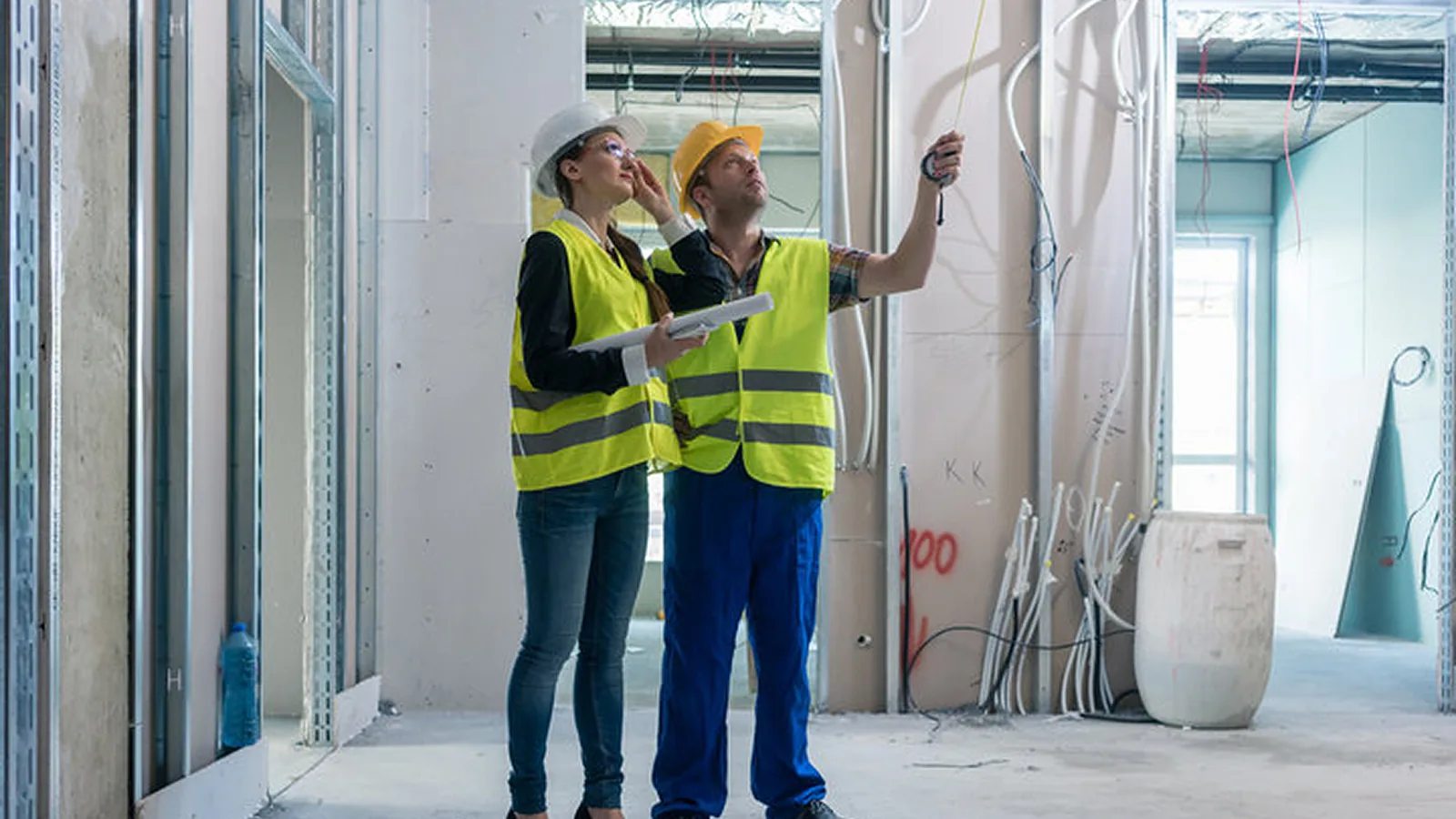
Next, they'll perform a visual inspection of all key fire alarm components: control panels, initiating devices (like smoke or heat detectors), notification appliances (such as strobes and horns), and power supplies. This helps catch any obvious signs of damage, corrosion, or disconnection.
-
Then comes the functional testing, the part that keeps your system in compliance. Our team triggers devices one by one to confirm they're communicating properly with the fire alarm control panel. That includes testing pull stations, smoke detectors, duct detectors, and annunciators. It's also when we verify that notification devices, the horns, bells, and strobes are working exactly as they should.
-
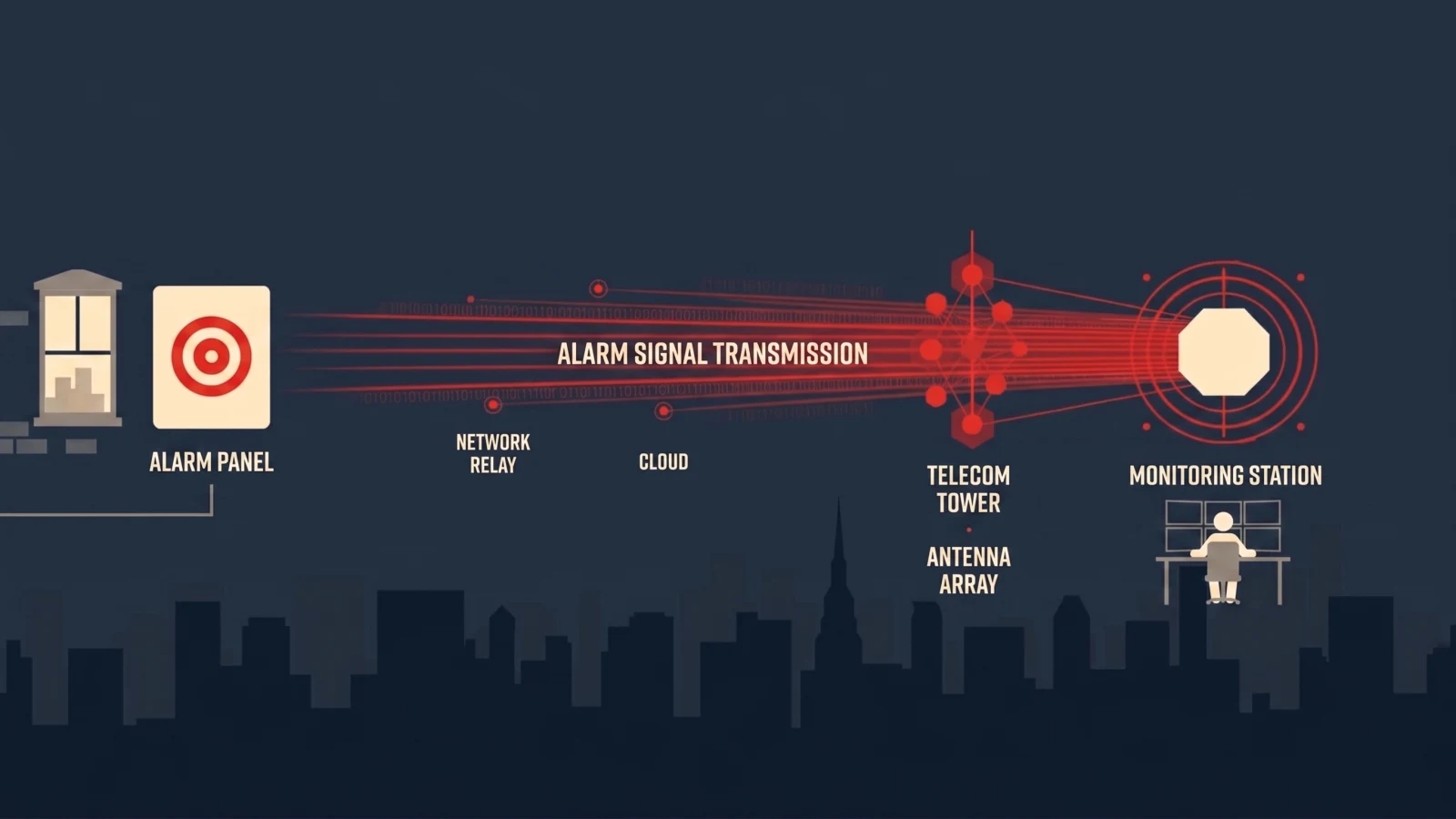
If your system is connected to a central monitoring station, we also verify that alarm signals are transmitting correctly. This step ensures the fire department will actually be alerted in an emergency, which is ultimately what keeps people safe.
-
Lastly, we'll document everything: the results of each test, any deficiencies found, and any parts replaced or repaired. You'll get a detailed maintenance report, something you should always keep on hand for your FDNY inspection or insurance review.
Regular fire alarm maintenance does more than keep you compliant, it helps prevent costly false alarms, system downtime, and potential violations. Most importantly, it ensures your building's fire protection systems are ready when you need them most.
What to Have Ready Before the Technician Arrives
Most visits that run long or finish incomplete fail for the same reason, and it is almost never the equipment. It is access.
Every device on the system has to be reached. That includes the ones inside locked tenant spaces, above hard ceilings, in electrical and telecom closets, in the elevator machine room, and in mechanical rooms where duct detectors sit. A device that cannot be reached cannot be tested, and an untested device shows up on the report as a deficiency rather than quietly disappearing. Lining up keys and tenant access ahead of the visit is the single highest-value thing a building can do.
Two other items are worth handling in advance. Notify the monitoring station that the system will be on test, so the signals generated during functional testing are not treated as real alarms and do not produce a fire department response. And give tenants advance notice that horns and strobes will sound, which prevents an evacuation nobody intended and the complaints that follow.
Have the previous report to hand as well. The technician will want to see what was outstanding last time, and open items from a prior visit are the first thing an inspector will ask about. If the system has been modified since — devices added during a fit-out, a panel replaced, a zone reconfigured — say so at the start rather than letting the technician discover the discrepancy device by device.
What Happens After the Visit
The report is the deliverable. The testing was the means of producing it.
Read it when it arrives rather than filing it unread. It will separate what passed from what did not, and the deficiencies section is a to-do list before it is a record. Anything listed there is something an FDNY inspector will find independently, so the window between your report and their visit is the cheap time to deal with it.
Distinguish between two categories as you read. A deficiency is something that needs correcting but leaves the system functioning. An impairment means part of the system is out of service, and that carries its own obligations while it lasts — including interim measures to protect the building until the system is whole again. If anything on your report reads as an impairment, it needs attention now rather than at the next budget cycle.
Then keep the report on site. Not solely with your contractor, not solely in an inbox. The building is where it will be asked for, and a maintenance history is worth considerably more than a single recent visit when someone is deciding whether a system has been looked after. Pair it with your inspection and testing records so the whole picture sits in one place.
At County Fire, we make the process straightforward and worry-free. Our certified technicians handle testing, inspection, repair, and documentation for buildings across all five boroughs, all in full compliance with FDNY and NFPA 72 standards.
Frequently Asked Questions (FAQ)
How long does a fire alarm maintenance visit take?
It depends on device count, building size, and how quickly the technician can get to everything. A small system in a building where access is arranged in advance moves quickly. A large system where half the devices sit behind locked doors can stretch across multiple visits. Access is usually the variable that decides it, which is why arranging it beforehand is worth the effort.
Will the alarms actually sound during the visit?
Yes. Notification appliances have to be tested to confirm they work, so horns and strobes will activate. Tell tenants in advance and let the monitoring station know the system is on test, so nobody evacuates and the fire department is not dispatched to a test signal.
Is a maintenance visit the same as an FDNY inspection?
No, and the distinction matters. A maintenance visit is work your contractor performs on the system, producing a report you keep. An FDNY inspection is the Department examining your building and its records. The maintenance visit is largely what prepares you for the inspection — the report it produces is part of what the inspector asks to see.
What if the technician finds a problem?
It goes on the report as a deficiency, along with what it will take to correct it. Some items get fixed during the same visit if parts are on the truck; others need to be scheduled. What you should not do is treat the report as closed business simply because the visit ended — an open deficiency stays open until the correction is done and documented.
Do I need a maintenance visit if my system is brand new?
Yes. Periodic inspection, testing, and maintenance obligations apply to systems in service regardless of age, and a new system still has batteries, detectors that accumulate dust, and a monitoring connection that has to be confirmed working. A new installation starts the maintenance cycle rather than exempting the building from it. Our FDNY compliance page covers what applies once a system is signed off.
Keep Your Fire Alarm in Top Shape
Stay compliant and confident with expert fire alarm maintenance from County Fire, part of our fire protection services for NYC commercial buildings. Call (888) 470-3473 or email info@countyfire.us to get expert help on your next project.