How to Pass a Surprise FDNY Commercial Fire Inspection (2026 Guide)
The Problem: The "I'm Not Sure" Trap in Commercial Fire Safety
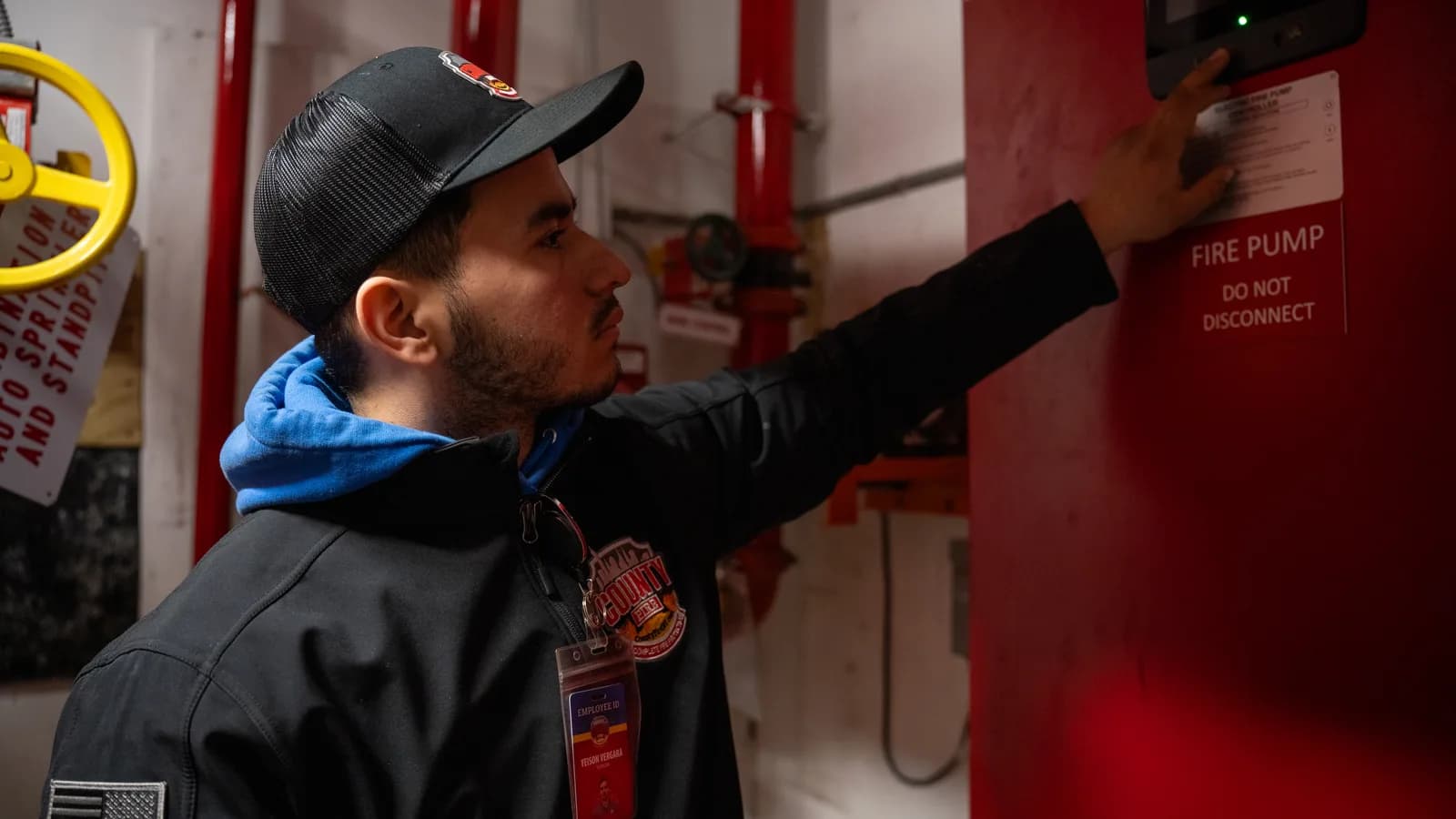
The fundamental problem for many commercial property owners is the dangerous gap between perceived safety and documented compliance. Your fire alarms might not be beeping, and your sprinkler pipes might look intact, creating a false sense of security. However, fire life safety systems are incredibly complex networks of sensors, valves, and communication lines that degrade silently over time.
When property managers rely on the assumption that "everything was fine last year," they fall into the "I'm not sure" trap. An FDNY inspector does not care about assumptions; they care about verifiable proof that your alarms will sound, your sprinklers will flow, and your extinguishers will operate the moment a crisis occurs. If your systems are not definitively inspection-ready right now, you are operating with a massive blind spot.
Many property owners don’t realize these warning signs exist until a failed inspection or a sudden emergency exposes them.
Why This Happens: The Anatomy of System Neglect
Why do commercial buildings with good intentions fail fire inspections? The root causes usually stem from technical drift and operational bottlenecks rather than willful negligence.
- Vendor Fragmentation: Many buildings use one company for extinguishers, another for alarms, and a third for sprinklers. This fragmented approach leads to missed testing cycles, poor communication, and undocumented repairs.
- Tenant Build-Outs and Renovations: When commercial spaces are remodeled, contractors frequently obstruct sprinkler heads, paint over smoke detectors, or build walls that block access to fire extinguishers.
- Legacy Equipment Degradation: Older panels and mechanical components experience natural wear and tear. A system that passed inspection five years ago may now have microscopic leaks, corroded contacts, or outdated software that no longer communicates with central dispatch.
- Changing Regulatory Codes: The FDNY and the National Fire Protection Association (NFPA) frequently update their codes. What was compliant in 2022 might be a direct violation in 2026.
If your fire life safety systems haven’t been comprehensively and professionally evaluated recently, hidden deficiencies may already exist behind your walls.
The Consequences of Ignoring Fire Safety Compliance
Failing to maintain a state of constant FDNY inspection readiness carries severe consequences that extend far beyond a simple slap on the wrist.
Regulatory and Financial Penalties: The FDNY has strict enforcement protocols. Failing an inspection often results in a Notice of Violation (NOV). These violations come with escalating financial penalties that can quickly drain a property's operating budget. In severe cases, building owners may even face Criminal Court summonses.
Operational Disruption and Vacate Orders: If inspectors deem your building's fire safety systems critically impaired, they have the authority to issue a Vacate Order. Shutting down a commercial building—even for a few days—results in massive lost revenue, breached tenant leases, and catastrophic reputational damage. Alternatively, you may be forced to hire a 24/7 private fire guard watch at exorbitant hourly rates until the system is repaired.
Liability and Insurance Hikes: Commercial property insurance requires strict adherence to local fire codes. If a fire occurs and your systems are found to be non-compliant or improperly maintained, your insurance provider may deny your claim entirely. Even without a fire, a documented history of failed inspections can cause your insurance premiums to skyrocket.
A professional inspection now can help prevent expensive emergency failures, massive fines, and operational disruptions later.
Warning Signs to Watch For Before the Inspector Arrives
You do not need to be a certified fire protection engineer to spot the early warning signs of an impending inspection failure. Commercial property owners should regularly walk their buildings looking for these red flags:
- The Beeping Panel: Any persistent beeping, glowing yellow lights, or "trouble/supervisory" signals on your main fire alarm control panel indicate a system fault that must be addressed immediately.
- Obstructed Sprinklers: Look at your ceilings. Are sprinkler heads covered in dust? Have they been accidentally painted over by a careless contractor? Are stacked boxes or new shelving units within 18 inches of the sprinkler heads? All of these are automatic violations.
- Missing or Expired Tags: Walk past your fire extinguishers. If the paper tags are missing, torn, or show that the last inspection was more than 12 months ago, they are non-compliant.
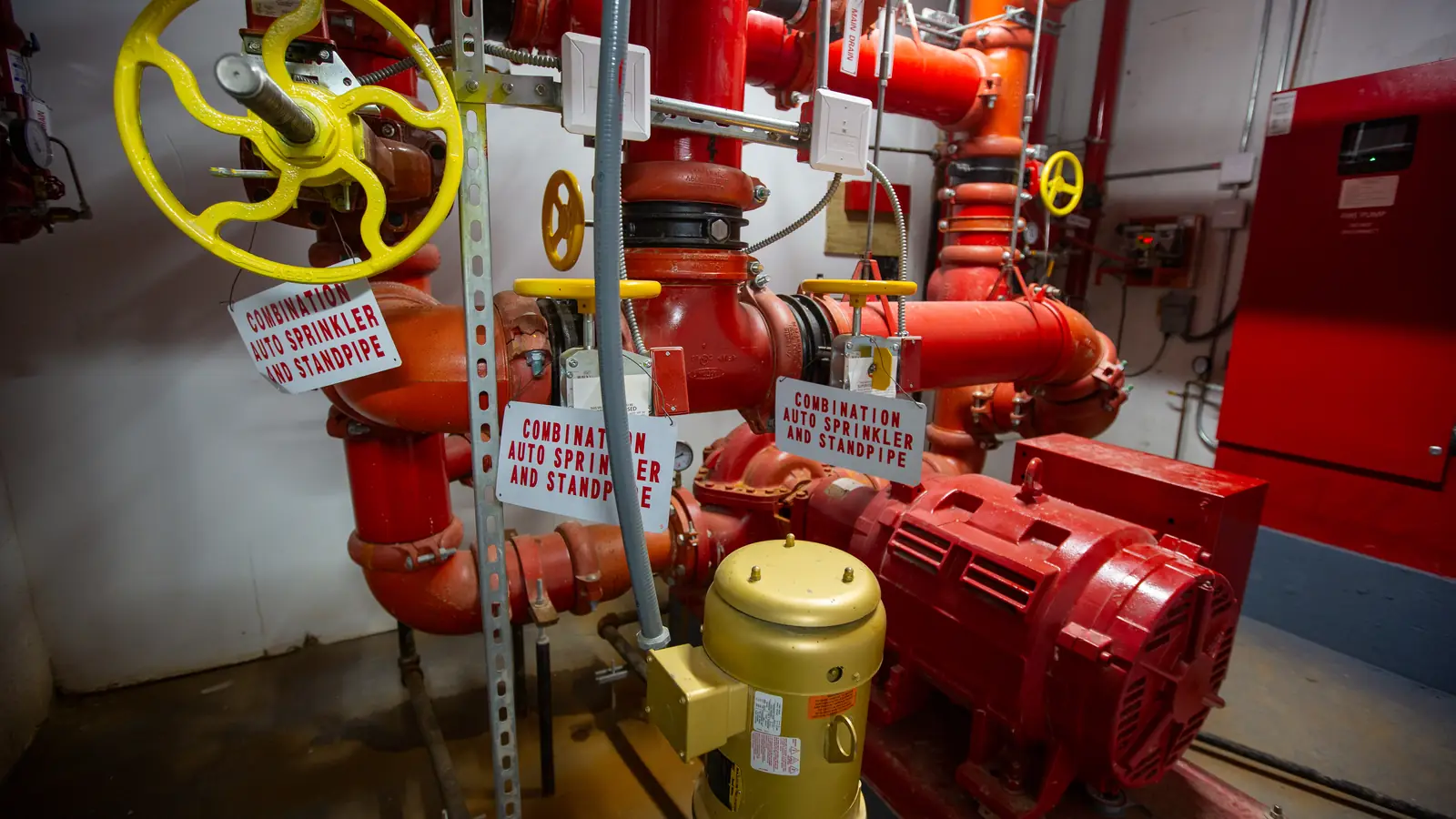
- Blocked Egress and Equipment: Fire doors that are propped open, or mechanical rooms storing combustible materials right next to the fire pump, will instantly draw an inspector's ire.
Taking a few minutes to schedule a routine, low-friction system evaluation is the easiest way to confirm your building’s true state of readiness.
How County Fire Solves the Compliance Puzzle
You cannot control when the FDNY will walk through your doors, but you can control exactly what they find when they do. County Fire specializes in transforming vulnerable commercial properties into fully compliant, inspection-ready facilities. That readiness is built from the fire protection services we run across alarm, sprinkler, and extinguisher systems.
We serve as your single-source partner for total fire life safety. Instead of managing a chaotic roster of different contractors, County Fire provides comprehensive oversight of your entire building. Our core services include:
- Routine Inspections & Testing: We execute meticulous NFPA and FDNY-mandated testing schedules for alarms, sprinklers, and extinguishers so you never miss a deadline.
- Proactive Maintenance: We identify and replace degrading components before they trigger a system fault or an inspector's violation.
- Compliance Verification & Log Management: We ensure your logbooks and digital records are pristine, accurate, and immediately ready to be handed to an inspector.
- Emergency Diagnostics & Repairs: If a system goes down, our rapid-response teams diagnose and repair the issue swiftly to minimize your exposure.
The outcome for commercial property owners is simple: reduced risk, faster issue detection, complete inspection readiness, and total peace of mind.
Partnering with a certified fire protection specialist ensures your building remains compliant, secure, and ready to pass any inspection with confidence.
Frequently Asked Questions (FAQ)
Does FDNY give notice before a commercial inspection?
Many inspections are unannounced, which is why readiness has to be a standing condition rather than something arranged once a visit is expected. Buildings that only prepare when they anticipate an inspector are the ones that tend to fail.
What do inspectors look at first?
Usually the visible life-safety basics: clear egress paths, working exit and emergency lighting, current extinguisher tags, an alarm panel showing normal, and accessible, open sprinkler control valves. Documentation is reviewed alongside the walkthrough rather than afterwards.
What is the most common avoidable reason buildings fail?
Paperwork. Systems are frequently in good working order while the records proving it are expired, incomplete, or stored somewhere nobody can reach during the visit, and an inspector cannot credit a test that cannot be produced.
Protect your building before small, hidden issues become major emergencies. Relying on guesswork puts your property, your tenants, and your financial bottom line at unacceptable risk.
County Fire helps commercial property owners stay compliant, completely protected, and always inspection-ready. Don't wait for the inspector to find your vulnerabilities.
- Call Us: (888) 470-3473
- Visit Us Online: countyfire.us
Schedule your comprehensive pre-inspection evaluation.