The Hidden Costs of Forgotten Fire System Maintenance: How to Stay Inspection-Ready
Picture this: It’s a busy Tuesday morning. Your facility manager is handling a sudden plumbing leak, tenants are moving into the third floor, and suddenly, the local fire marshal walks through your lobby doors for a surprise commercial fire inspection.
For many building owners, that moment is accompanied by a sudden, sinking feeling of panic. Why? Because an unannounced inspection is usually the exact moment when forgotten maintenance finally gets noticed.
When property managers are overwhelmed with day-to-day operations, life safety systems are often pushed to the back burner. It’s an “out of sight, out of mind” approach that works—until it doesn’t. But waiting for an inspector to find your system deficiencies is a dangerous and incredibly costly strategy.
From low pressure in your sprinkler systems to expired extinguisher tags and faulty alarm panels, small oversights become expensive very quickly. In this guide, we’ll explore why commercial properties fail fire inspections, the hidden costs of deferred maintenance, and the proactive steps you can take to keep your building FDNY-compliant, protected, and inspection-ready.
The Core Problem with Deferred Fire Safety Maintenance
In commercial real estate, fire safety is non-negotiable. Yet, failing a fire inspection is a surprisingly common occurrence. The root of the problem rarely stems from intentional negligence; rather, it’s a byproduct of operational overload.
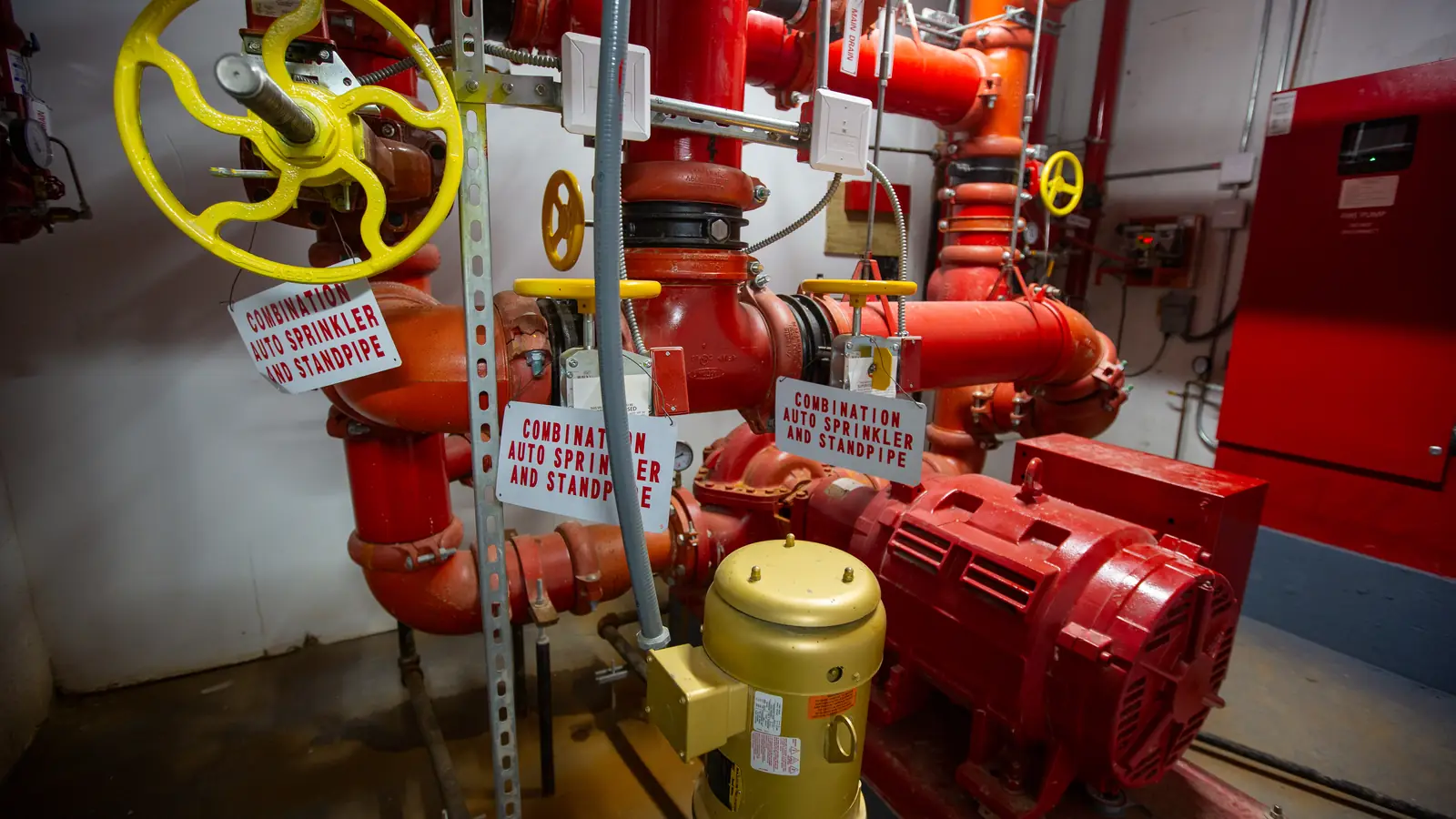
Fire suppression and alarm systems are highly complex networks of sensors, pipes, valves, and electrical components. Unlike a broken HVAC system that immediately results in tenant complaints, a deteriorating fire sprinkler system or a malfunctioning smoke detector operates silently in the background. Because these systems are designed for emergencies, their daily operational status is easily overlooked.
Unfortunately, fire safety equipment degrades over time. Environmental factors, electrical surges, accidental physical damage, and simple wear and tear compromise the integrity of these systems. When routine testing is skipped, these silent failures compound, transforming a minor maintenance task into a critical life safety vulnerability.
Many property owners don’t realize these warning signs exist until a failed inspection or a catastrophic emergency exposes them.
Why Maintenance Oversights Happen in Commercial Buildings
If your building's fire and life safety systems haven’t been professionally evaluated and synchronized recently, hidden deficiencies may already exist.
The True Consequences of Ignoring Fire System Health
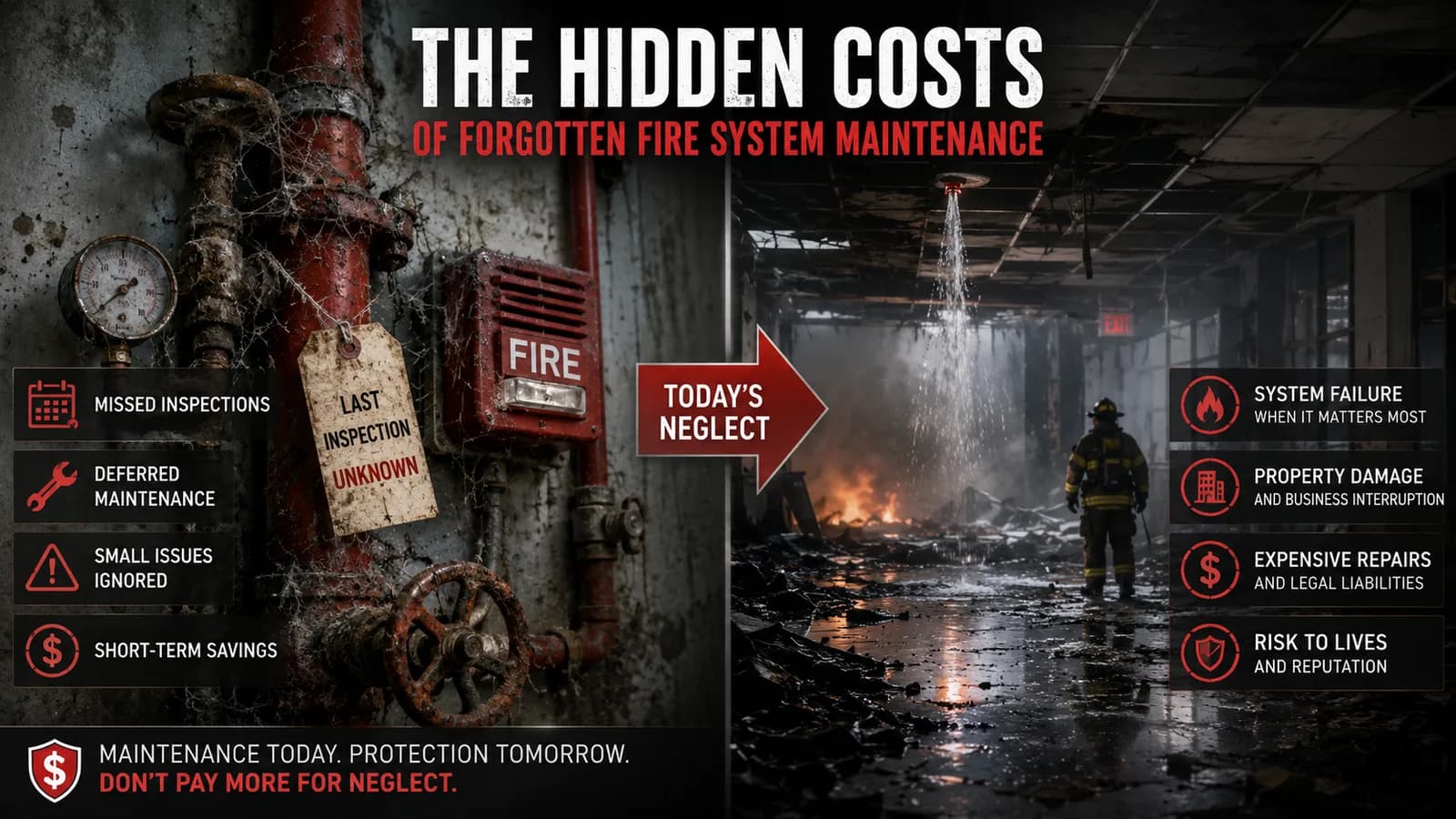
Ignoring or delaying fire system maintenance is a high-stakes gamble. The fallout extends far beyond a simple reprimand from the local fire marshal.
Catastrophic Safety Risks The most critical consequence is the threat to human life. A delayed response from a faulty fire alarm panel or insufficient water pressure from a neglected sprinkler system allows a localized fire to spread exponentially. As a commercial property owner, ensuring the safety of your tenants, employees, and visitors is your primary fiduciary and moral responsibility.
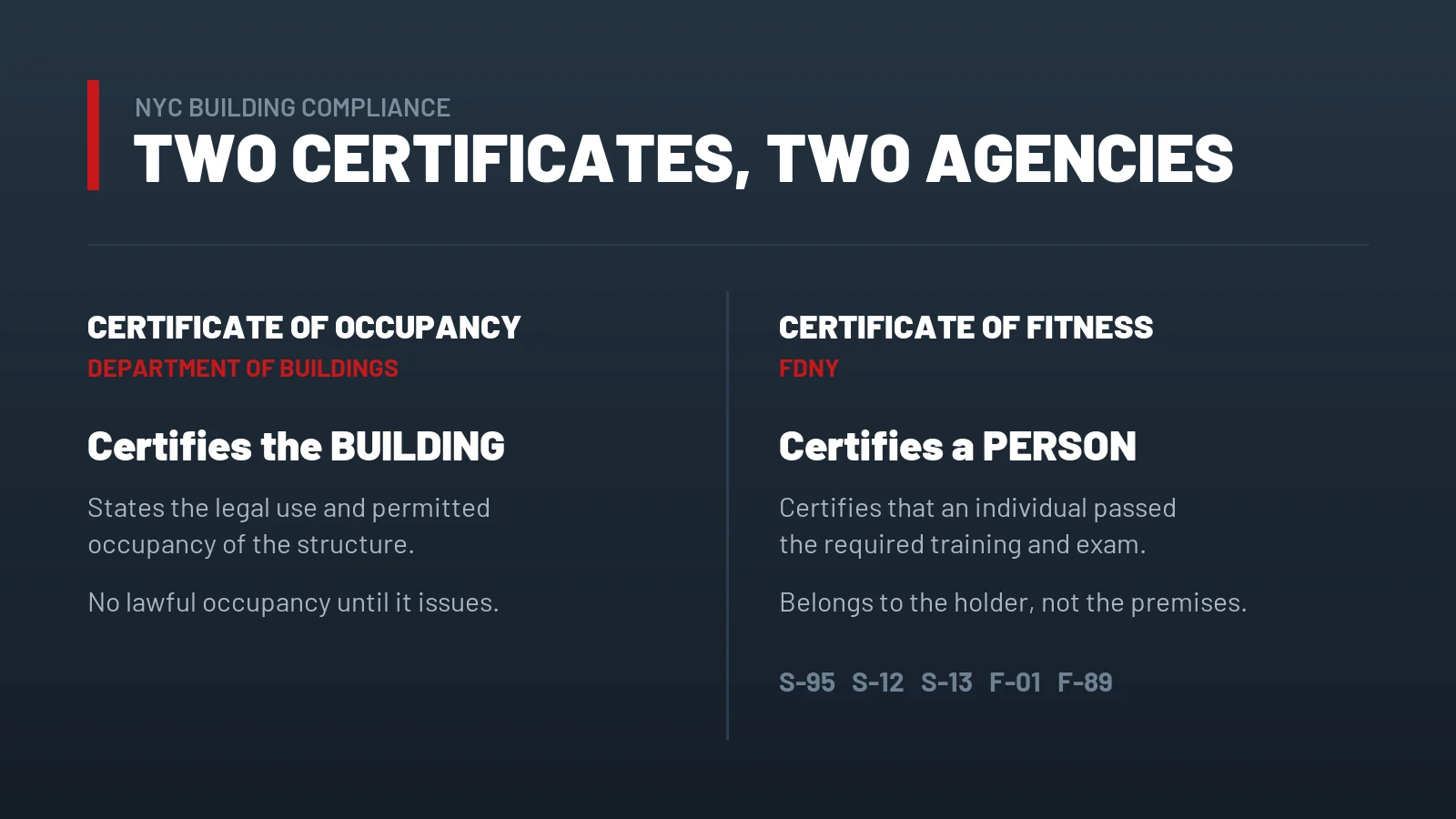
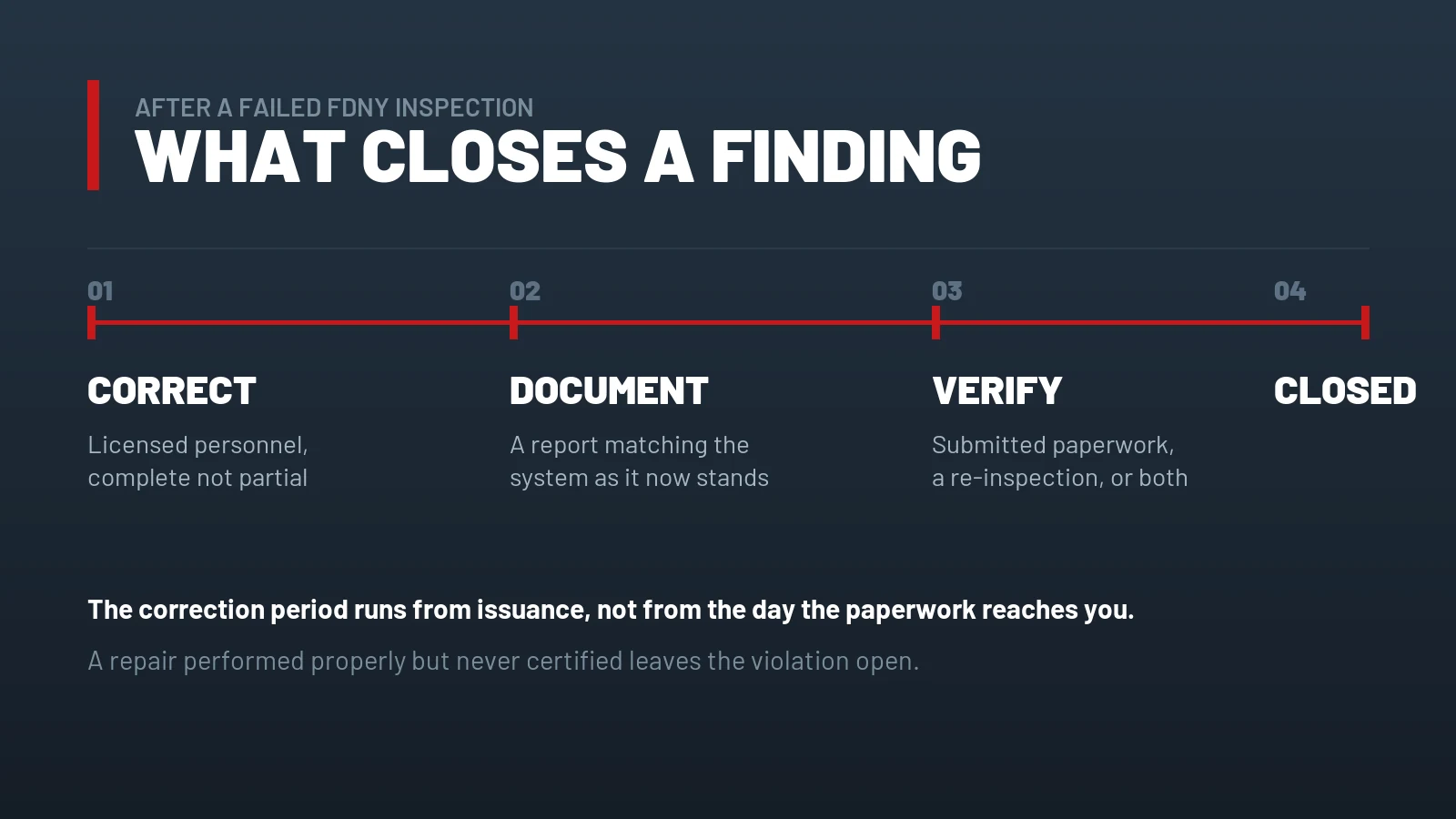
Severe Compliance and FDNY Implications Fire codes are rigid. Authorities Having Jurisdiction (AHJs), such as the FDNY or your local fire department, do not accept "we forgot" as a valid excuse. Failed inspections result in immediate Notice of Violations (NOVs). If issues are severe, the AHJ can issue a "fire watch" mandate—requiring you to pay off-duty personnel to patrol the building 24/7—or worse, a complete vacate order that shuts down your building entirely.
Crushing Financial Impact The financial toll of deferred maintenance is staggering. What could have been a $200 routine service call easily balloons into a $5,000 emergency repair when an inspector demands immediate remediation. Furthermore, non-compliance can trigger clauses in your commercial property insurance, leading to skyrocketing premiums or the outright cancellation of your policy.
Extensive Operational Disruption
Emergency repairs require shutting down systems, draining sprinkler pipes, and testing loud alarms during business hours. This disrupts your tenants' operations, damages your reputation as a reliable property owner, and can lead to lease disputes.
A comprehensive, professional inspection right now can help you prevent expensive emergency failures and business disruptions later.
Warning Signs You Need an Immediate System Evaluation
You don’t have to wait for an inspector to tell you your building is at risk. Be on the lookout for these high-friction warning signs that indicate your systems need immediate attention:
- Illuminated Trouble Signals: If your central Fire Alarm Control Panel (FACP) is beeping, displaying a yellow/orange light, or reading "Trouble" or "Supervisory," your system is compromised.
- Low Gauge Pressure: Visually inspect the pressure gauges on your fire sprinkler risers. If the needles have dropped below the required baseline, the system may not deploy effectively in a fire.
- Expired Extinguisher Tags: Grab the nearest fire extinguisher. If the punch-hole tag is missing, or if the last annual inspection date is over 12 months old, you are out of compliance.
- Corrosion and Rust: Inspect the exposed sprinkler pipes in your stairwells and parking garages. Rust, weeping joints, or calcification indicate microscopic leaks and compromised structural integrity.
- Painted or Obstructed Sprinkler Heads: A common issue during tenant renovations. If a sprinkler head has paint on it, or if shelving is built within 18 inches of the deflector, it is a direct fire code violation.
Noticed any of these physical indicators? It may be time to schedule a low-friction compliance evaluation to gauge the true health of your building.
How County Fire Keeps You Protected and Profitable
Planned service across every system is the point of our fire protection services, rather than four vendors each watching one part of the building.
- Routine Inspections & Code Compliance: We navigate the complex web of NFPA (National Fire Protection Association) codes and local AHJ requirements, ensuring every component of your facility meets current legal standards.
- Advanced Testing Protocols: From trip-testing dry pipe systems to calibrating smoke detector sensitivity, we perform the deep-dive technical diagnostics that catch hidden drift before it becomes a failure.
- Preventative Maintenance: We replace aging batteries, lubricate valves, and clear pipe obstructions on a scheduled basis, drastically extending the lifespan of your expensive fire safety infrastructure.
- Emergency Diagnostics & Repairs: If a system goes down or an AHJ issues a violation, our rapid-response teams isolate the issue, source the correct parts, and restore your system to full operational status quickly and efficiently.
Stop managing emergencies and start preventing them. Partnering with a dedicated fire safety expert ensures your investments are secure year-round.
Commercial property management is challenging enough without the looming threat of failed safety inspections, surprise fines, and life safety liabilities. The health of your fire systems directly impacts the financial health of your portfolio.
Protect your building, your tenants, and your bottom line before small maintenance gaps become catastrophic emergencies. County Fire helps commercial property owners stay compliant, protected, and fully inspection-ready every single day of the year.
Ready to secure your property?
- Call Us: (888) 470-3473
- Visit Us Online: countyfire.us
Schedule your comprehensive pre-inspection evaluation.
Frequently Asked Questions (FAQ)
What counts as deferred fire system maintenance?
Any required inspection, test, or repair that slips past its interval — a sprinkler control valve never exercised, an alarm panel battery past its service life, an extinguisher not recharged after use. It is rarely a decision anyone makes deliberately; it is usually a task that quietly lost its place in the schedule.
Is it cheaper to run systems until something fails?
No. Emergency repairs are priced as emergencies, and a failure found during an inspection arrives with a violation and a correction deadline attached to it. Planned service is scheduled, quoted, and documented before any of that applies.
How do I know which service intervals apply to my building?
Intervals come from the standard governing each system — NFPA 25 for sprinklers, NFPA 72 for fire alarm, NFPA 10 for extinguishers — together with the FDNY requirements for your occupancy type. A licensed contractor should be able to hand you a written schedule covering every system in the building.