Why Insurance Isn’t Your First Line of Defense: The Critical Role of Commercial Fire Protection Systems
Imagine standing outside your commercial property, watching smoke billow from the roof. In that chaotic moment, there is a singular thought that provides a sliver of comfort: “At least we have a great insurance policy.”
And it’s true—a robust insurance policy is a vital safety net for any commercial asset. It will help you rebuild. It will help cover the physical damages.
But there is a fundamental flaw in relying on an insurance policy as your primary shield: insurance helps after the loss. It is entirely reactive. It cannot stop the fire, it cannot protect the lives of your tenants or employees, and it cannot prevent the catastrophic operational downtime that destroys businesses.
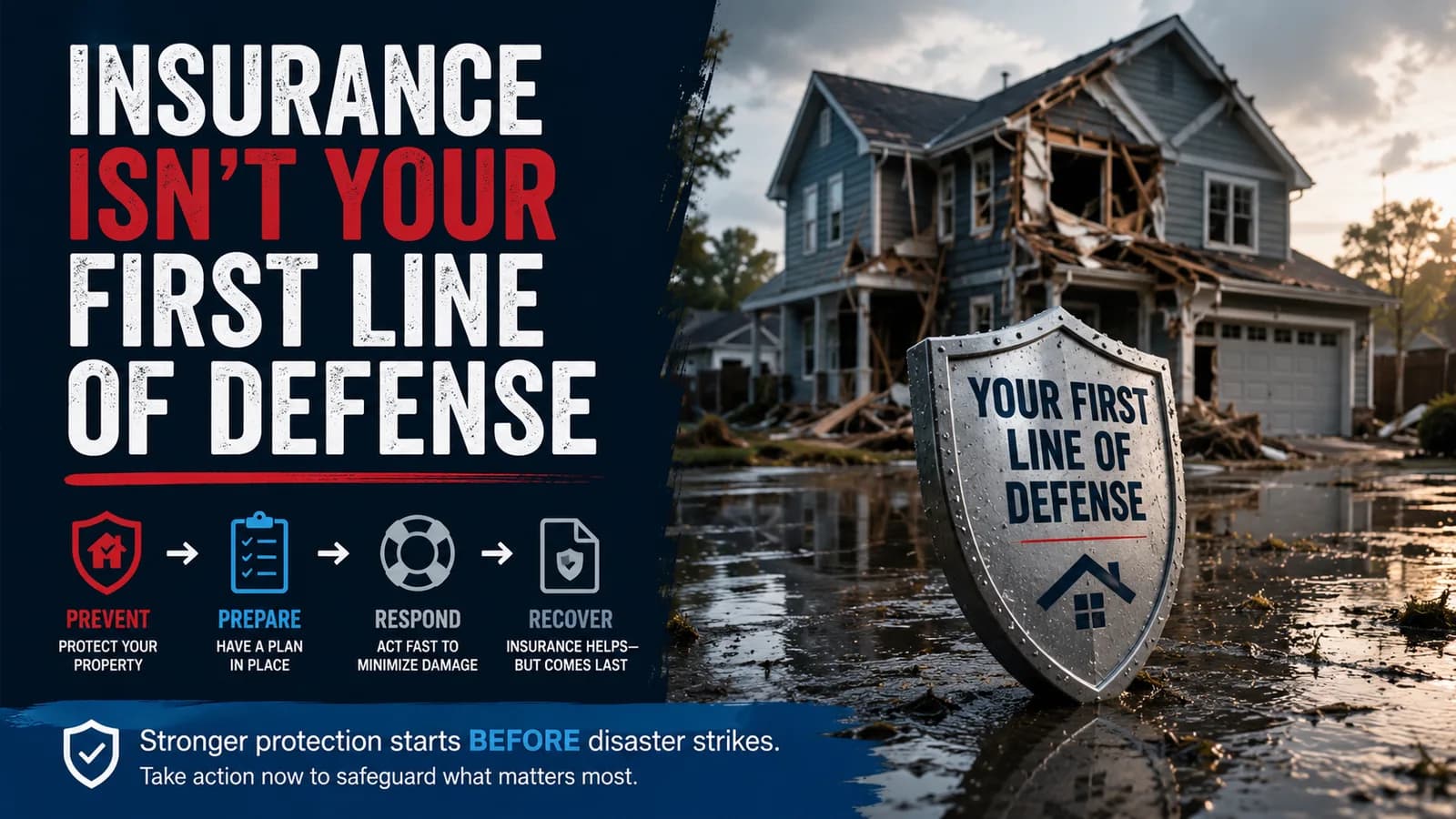
Your true first line of defense is not a piece of paper in a filing cabinet. It is the network of physical fire protection systems engineered into your building. Because while insurance helps you recover from a disaster, your fire safety systems help you prevent one.
Here is why shifting your focus from reactive recovery to proactive protection is the most important operational decision a commercial property owner can make.
The Problem with the "Insurance-First" Mindset
Many commercial real estate owners and facility managers fall into a false sense of security. Because they pay heavy premiums for comprehensive coverage, the actual day-to-day functionality of their fire alarms, sprinklers, and suppression systems becomes an afterthought.
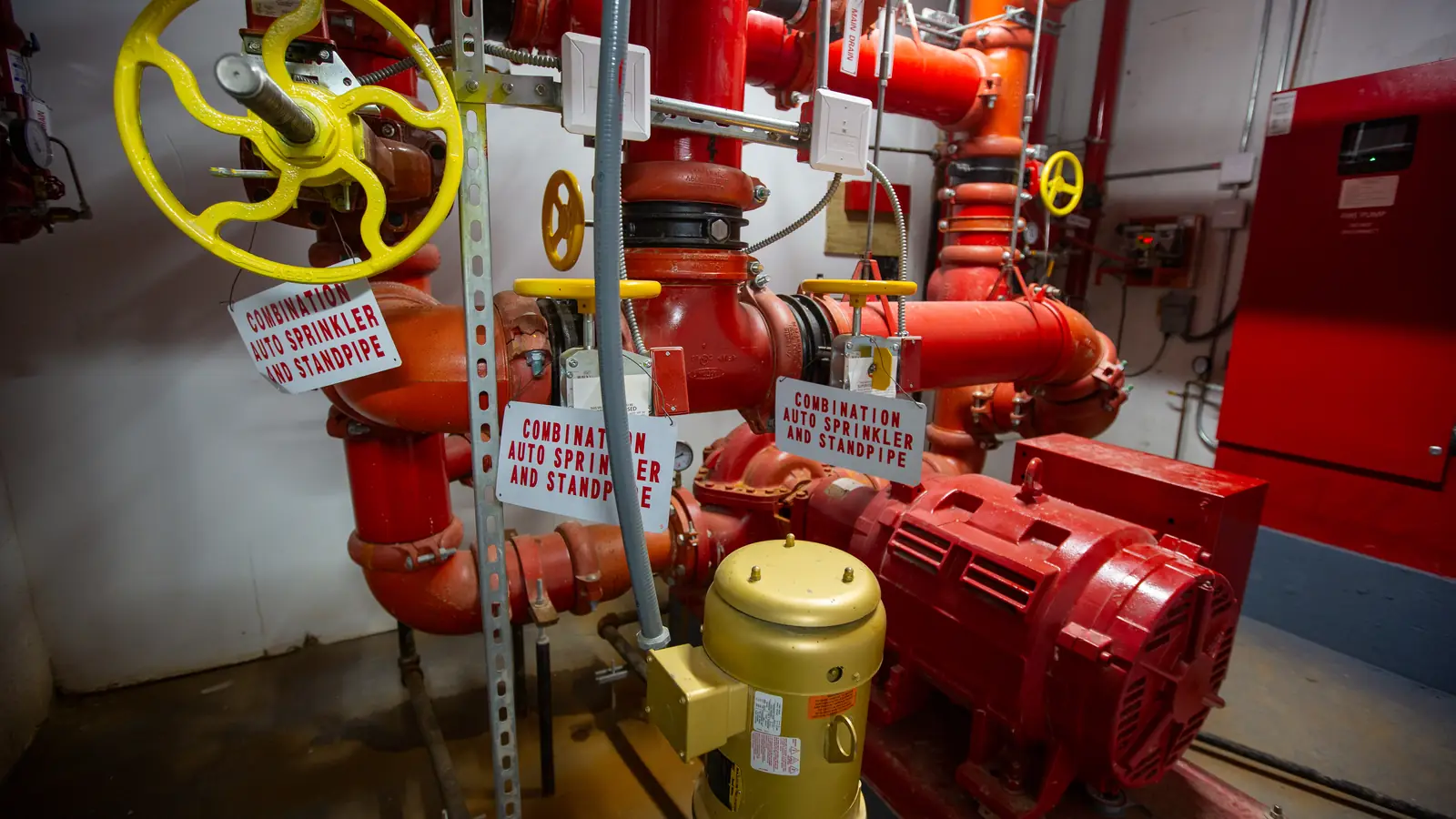
The reality is that modern fire protection systems are highly complex networks of sensors, water lines, electronic panels, and mechanical valves. They are not "set it and forget it" installations. When a fire breaks out, you have mere minutes—sometimes seconds—before a small, containable event flashes over into total devastation. If a sprinkler head is corroded, or an alarm panel has a silent fault, your insurance policy cannot intervene to stop the flames.
Furthermore, property insurance policies explicitly require buildings to maintain their life safety systems according to local fire codes. If a fire occurs and investigators determine your systems were inactive, neglected, or out of compliance, you may find your claim severely reduced or denied entirely.
Many property owners don’t realize these hidden vulnerabilities in their fire safety infrastructure until a failed inspection or a real emergency exposes them.
Why Fire Protection Systems Fail
If fire protection systems are engineered for durability, why do they fail when they are needed most? The answer almost always comes down to deferred maintenance and invisible degradation.
Unlike an HVAC system that immediately alerts you when the building gets too hot, a fire protection system sits dormant for years. Without professional intervention, the natural aging process of a building takes its toll on these critical life safety components:
- Corrosion and Pipe Scaling: Microbiologically influenced corrosion (MIC) can eat away at the inside of sprinkler pipes, creating blockages that prevent water flow during a fire.
- Electronic Component Degradation: Fire alarm control panels are essentially computers. Power surges, dust accumulation, and wiring degradation can cause sensors to fail or communication pathways to sever.
- Environmental Obstructions: Renovations, layout changes, or even simple dust buildup can block sprinkler heads and smoke detectors, rendering them useless in their specific coverage zones.
- Human Error and Overrides: Often, a system is temporarily silenced or shut down for maintenance or construction and never properly reactivated.
If your building's fire protection system hasn’t been professionally evaluated recently, hidden deficiencies like these may already exist right behind your walls.
The Severe Consequences of Ignoring Proactive Maintenance
Treating fire system maintenance as an optional expense rather than an operational necessity carries severe, multi-layered consequences that extend far beyond fire damage.
Life Safety Risk The most critical consequence is the threat to human life. Commercial property owners have a legal and moral obligation to provide a safe environment. A delayed alarm or a dry sprinkler system drastically reduces the evacuation window for occupants.
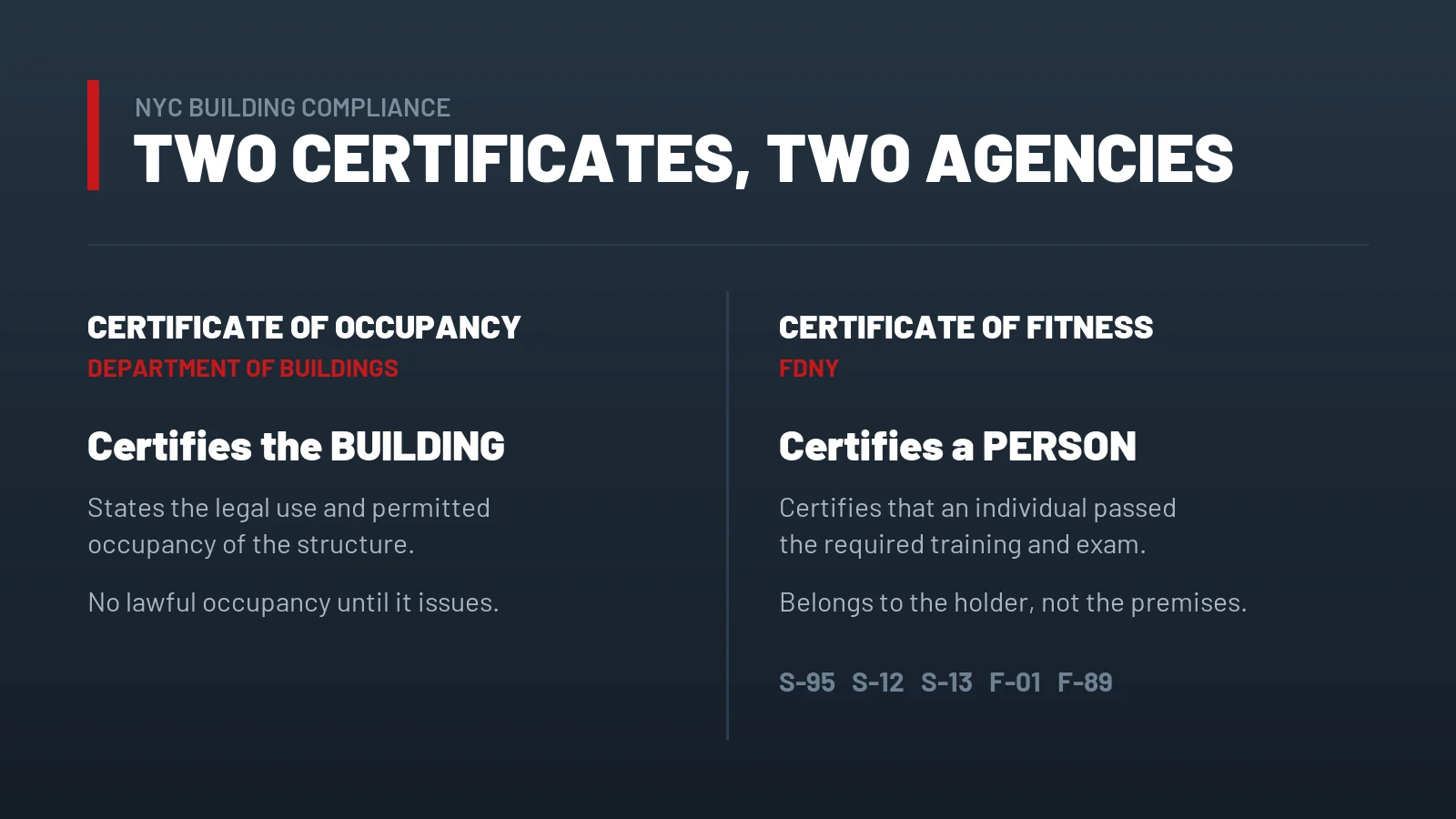
Compliance Exposure & FDNY Implications Fire codes are unforgiving. In major jurisdictions, organizations like the FDNY strictly enforce fire code compliance. Failing to produce up-to-date testing logs and inspection tags can result in massive fines, immediate violations, and in severe cases, vacate orders that force your building to shut down entirely until the systems are rectified.
Financial Impact and Claim Denials As mentioned earlier, your insurance policy is a contract contingent on your compliance. Insurance adjusters are trained to look for negligence. If an investigation proves that a lack of routine maintenance led to a larger fire, your payout is at risk.
Catastrophic Operational Disruption Even if insurance covers the physical rebuild, the downtime can be fatal to your bottom line. Commercial tenants will break leases if a building is uninhabitable. The loss of revenue during a multi-year rebuild is a blow few property owners recover from fully.
A professional inspection now can help prevent expensive emergency failures, strict compliance penalties, and operational nightmares later.
Warning Signs Your Building Is at Risk
You do not need to be a certified fire protection engineer to spot the early warning signs of a deteriorating system. Facility managers and owners should routinely walk their properties looking for:
- Trouble Signals on the Fire Panel: A fire alarm control panel should only display a green "Normal" light. Any yellow lights, beeping, or "trouble/supervisory" warnings mean the system is compromised.
- Visible Corrosion or Leaks: Check exposed sprinkler pipes and valves for rust, water stains, or mineral buildup.
- Outdated Inspection Tags: Every extinguisher, alarm panel, and sprinkler riser should have an up-to-date tag from a licensed inspector. If the dates are expired, you are out of compliance.
- Inconsistent Water Pressure: Drop-offs in building water pressure can sometimes indicate issues within the fire suppression supply lines.
Are you noticing any of these red flags on your property? Prompt, low-friction evaluation of your fire panels and sprinkler lines is the easiest way to rule out catastrophic failure.
How County Fire Solves the Problem
You cannot control when an emergency happens, but you can control how prepared your building is to handle it. That is where County Fire steps in. We ensure that your first line of defense is always ready, compliant, and fully operational. Our fire protection service lines cover every system that defence depends on.
We provide end-to-end commercial fire protection services designed to remove the burden of compliance from property owners:
- Comprehensive Inspections: We conduct thorough visual and physical inspections of your entire fire protection infrastructure, ensuring every component meets rigorous local codes and FDNY standards.
- Routine Testing: From water flow tests to alarm sequence verifications, we simulate emergencies to guarantee your systems will react instantly when it matters most.
- Preventative Maintenance & Repairs: We identify and correct minor wear-and-tear before it cascades into expensive, full-system failures.
- Emergency Diagnostics: If your panel goes into a trouble state, our technicians quickly diagnose and resolve the fault to restore your protection.
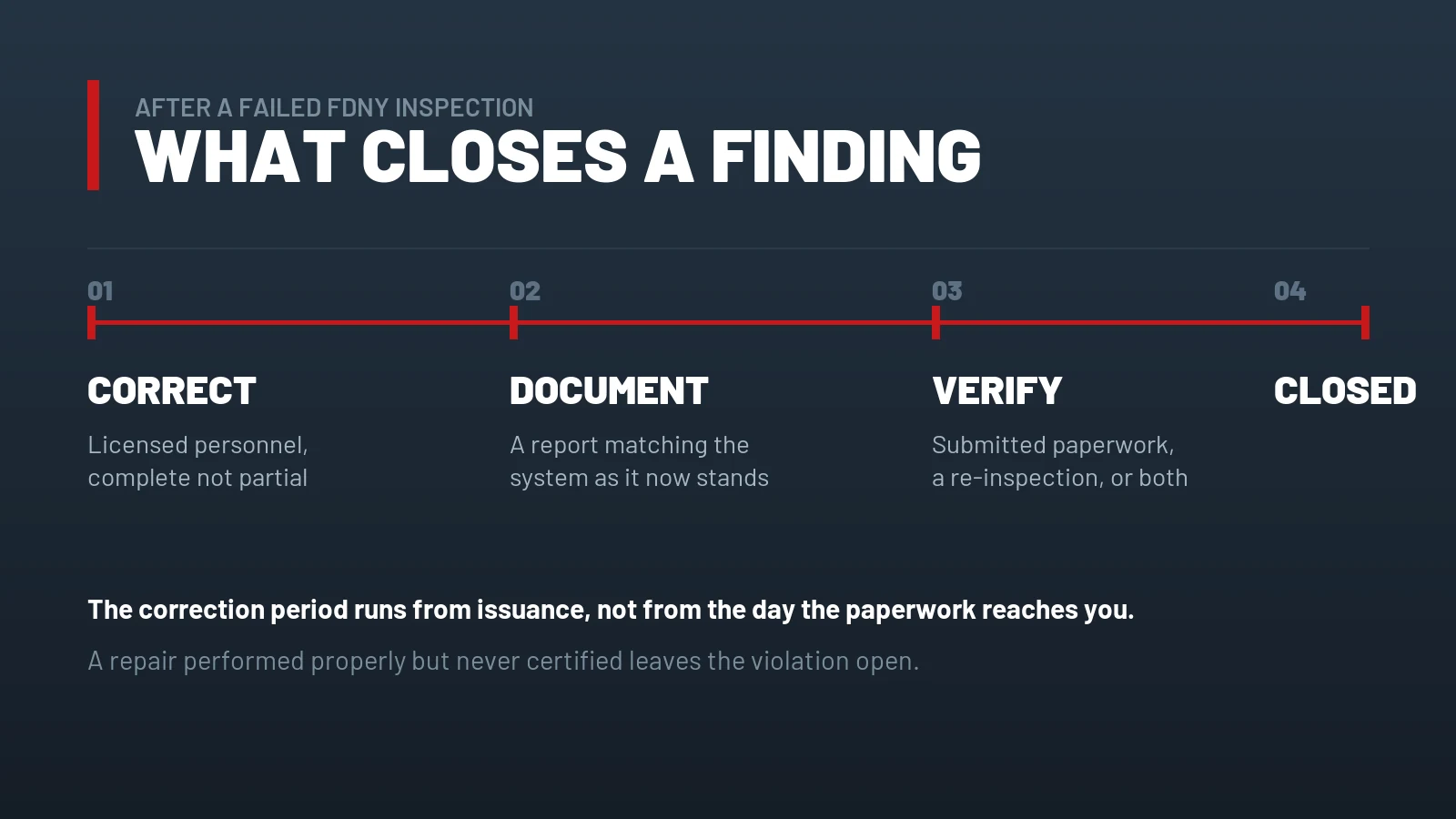
- Compliance Verification: We manage the complex paperwork, tagging, and logging required by fire marshals and insurance companies, providing you with an airtight audit trail.
The outcome? Drastically reduced risk, total inspection readiness, and the ultimate peace of mind knowing your property is genuinely protected.
Partnering with certified experts ensures your building transitions from reactive guessing to proactive, guaranteed readiness.
Frequently Asked Questions (FAQ)
Will insurance cover a fire loss if my systems were not maintained?
Coverage can be reduced or denied where the policy requires functioning fire protection and the maintenance record shows it was not kept up. Insurers routinely review inspection history after a loss, and gaps in that history are exactly what they look for.
Why treat prevention as more valuable than coverage?
Insurance reimburses part of a financial loss after it has already happened. It does not restore business continuity, tenant confidence, or the safety of the people in the building. Working systems stop the loss from occurring at all.
Does a documented maintenance program affect premiums?
It can. Insurers weigh the condition and documented upkeep of fire protection systems when they assess risk, and a consistent, complete inspection record is direct evidence of a lower-risk property.
- Call Us: (888) 470-3473
- Visit Us Online: countyfire.us
Schedule your comprehensive pre-inspection evaluation.